English
 中文简体
中文简体
 русский
 Español
[Auto Accessories][email protected]
 What Is ADAS Calibration? When It's Needed and What Happens If Skipped

Sep 01, 2026
After a windshield replacement, a minor collision, or a suspension repair, many drivers simply drive away without ever thinking about the vehicle's advanced driver assistance systems. That is a mistake. ADAS calibration is not an optional extra; it is a required procedure for restoring the precise alignment that cameras, radar, and other sensors need to work correctly. If you skip it, features like automatic emergency braking, lane keeping assist, and adaptive cruise control may stop functioning or could even trigger false alerts. The good news is that calibration is predictable and documented for each vehicle model once you understand the basics.
Advanced Driver Assistance Systems, or ADAS, is an umbrella term for electronic features that help the driver sense and respond to the road environment. Common features include automatic emergency braking, blind spot monitoring, lane departure warning, adaptive cruise control, and cross traffic assist. Each of these features relies on one or more sensors: a front-facing camera, a radar module, a steering angle sensor, or a camera embedded in the side mirror. These sensors are mounted at very specific positions and orientations. The factory defines a precise reference for each sensor, and the system uses that reference to interpret what the sensor sees.
ADAS calibration is the process of measuring whether the sensor is still aligned to that reference and, if necessary, adjusting or resetting it. The procedure is defined by each vehicle manufacturer, and it often requires special diagnostic equipment. There is no one-size-fits-all calibration. The correct method depends on the vehicle make, model, year, and the specific sensor being calibrated.
Two primary methods exist: static and dynamic calibration. Static calibration is performed in a controlled workshop space. The technician places a target board in front of the vehicle at a defined distance and height, then uses a diagnostic tool to command the system to relearn the sensor's position. Dynamic calibration, on the other hand, is performed while driving. The vehicle is driven under specific road conditions, often with a factory-recommended path and speed, while the system computes calibration from real-world reference points.
| Method | Setup | Typical Scenario | Advantages |
|---|---|---|---|
| Static Calibration | Target board in a controlled workshop, vehicle parked on a level surface | After windshield replacement, camera repairs, or when workshop space is available | Repeatable, no road time, controlled lighting |
| Dynamic Calibration | Vehicle driven on a specified route at a specified speed | After sensor faults, when no target board is available, or when OEM procedure requires it | Uses real road data, can detect subtle alignment issues |
Both methods are valid, but they are not interchangeable. The manufacturer's service procedure determines which method must be used for a given vehicle. Attempting to use a dynamic method when a static method is required can produce inaccurate results, which is why following the exact OEM procedure is so important.
Calibration is not a routine service with a fixed interval. It becomes necessary in specific situations, and many of them involve simple repairs that might seem unrelated.
The front camera often mounts to the windshield or the area just behind it. Replacing the glass changes the optical path. If the camera sees through a new layer of glass, even a slight variation in thickness or angle can shift the detection zone. For this reason, most OEM procedures require calibration after any windshield replacement, even if the camera unit itself was not touched.
Even a low-speed impact can bend a mounting bracket, push a bumper slightly out of position, or alter the geometry around a radar module. Radar sensors in the grille and front bumper are especially sensitive to subtle changes in their mount angle. After any collision that affects the front or rear of the vehicle, the sensors should be inspected and recalibrated.
Some ADAS functions use wheel speed and ride height data. Changing the suspension height, replacing control arms, or performing a wheel alignment can affect the steering angle sensor and roll and pitch readings. If the alignment is not within the vehicle's specified settings, lane keeping and stability systems may misbehave.
When a sensor is replaced, the new unit must be taught its position in the vehicle. This is not a simple plug-and-play operation. After replacing a side mirror with a camera for blind spot detection, the camera must be calibrated or the system will not recognize the new perspective.
If an ADAS-related warning light appears on the dashboard, the system is telling you that it cannot trust its own sensor data. A diagnostic scan will often indicate a calibration fault. In many cases, the fix is recalibration, not replacement.
Skipping calibration can have consequences that are not immediately obvious. The system may not physically fail, but the data it processes becomes less reliable. An improperly aligned front camera might fail to detect a stopped vehicle in time, reducing the effectiveness of automatic emergency braking. A misaligned radar sensor could produce false alerts for objects that are not actually in the lane. A steering angle sensor that is not reset after a wheel alignment may cause lane keeping assist to pull the vehicle toward one side.
An incorrectly calibrated system is also a liability. The driver may trust that the feature is working when it is not, and there is no dashboard warning until the fault becomes severe. In a fleet or rental situation, this can lead to additional vehicle damage, downtime, and operational risk. The time and cost of a proper calibration are small compared with the potential risk of driving a vehicle with what is effectively a blind safety system.
For static calibration, the environment matters as much as the equipment. The vehicle must be parked on a level, clean surface. Uneven flooring can change the vehicle's pitch and roll, which directly affects the sensor angles. Lighting should be even and controlled. Strong direct sunlight or harsh shadows can confuse the camera-based target recognition systems. Metal racks, columns, and other reflective objects in the workshop can interfere with radar calibration. A dedicated area away from heavy metallic structures is the best practice.
The recommended floor type is usually flat, non-glossy concrete or a similar homogeneous surface. The calibration distance from the target board must match the OEM specification exactly. Dynamic calibration also requires a specific setup: a clear road, a valid diagnostic tool, and the right vehicle load condition. Given these requirements, a shop that performs ADAS calibration needs to plan its work area carefully. This is one reason why many service centers are adding dedicated calibration bays rather than attempting to squeeze the procedure into a standard stall.
One area that often gets overlooked is the side mirror. Many modern vehicles now place a camera inside the mirror housing or just below the mirror glass. This camera feeds the lane change assist and blind spot monitor. If the mirror is damaged or replaced, the camera's optical center shifts. Replacing the mirror with a verified factory-style unit is important, but the calibration must still be performed after installation.
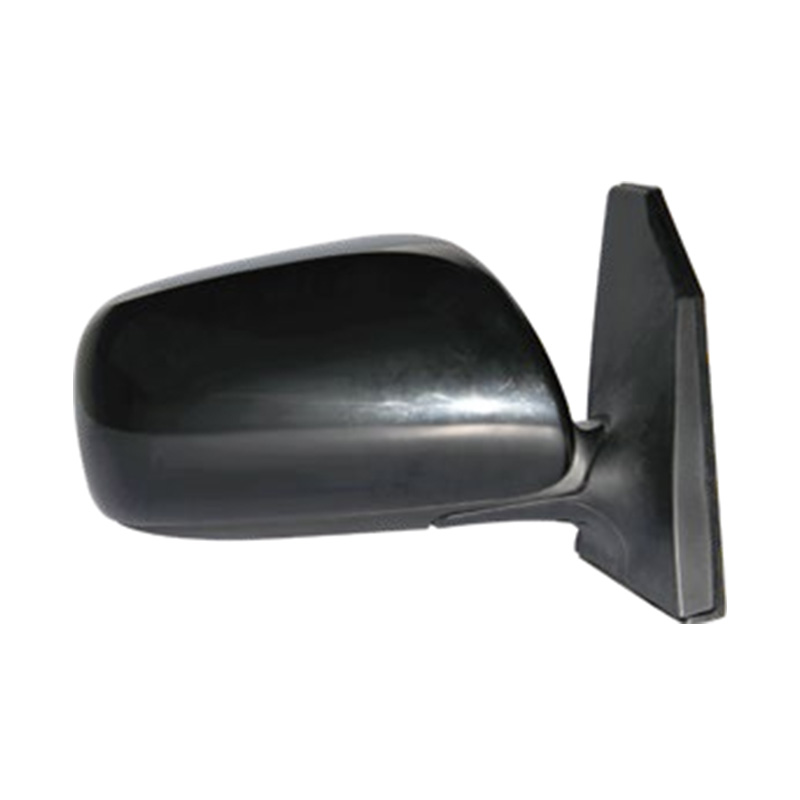 Toyota Corolla and Levin Side Mirrors for Various Model YearsThis manufacturer offers Toyota side mirrors for Corolla and Levin models from 2000 to 2020, with region-specific versions. Proper fitment helps maintain camera alignment and simplifies calibration, reducing the need for trim modifications.View Product →
Different vehicle brands have different mounting and connector configurations. A mirror that fits the correct model, with the right electrical connector and bracket, makes the calibration process more predictable. For example, a properly fitted Honda side mirror can reduce the need for trim modifications and maintain the original geometric relationship between the camera and the vehicle body.
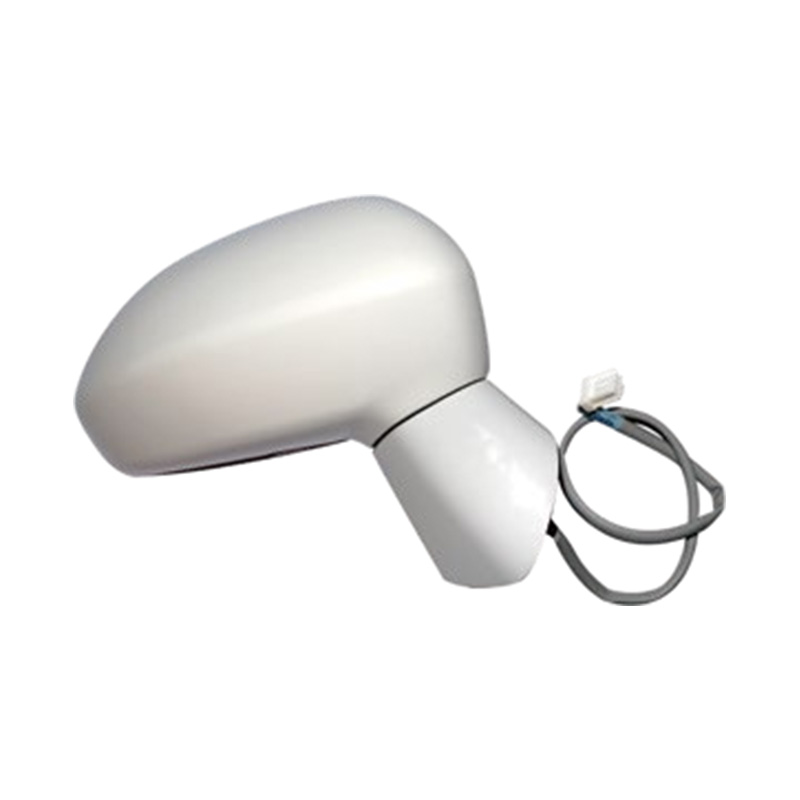 Honda Fit, Jazz, City, and Civic Side Mirrors by Model YearThese Honda side mirrors cover Fit, Jazz, City, and Civic models across multiple generations. A factory-style fit with correct connectors ensures predictable calibration and preserves the geometric relationship essential for ADAS accuracy.View Product →
An improperly installed or adjusted side mirror can create hazards that affect both the driver's visibility and the ADAS sensor's accuracy. Understanding the safety hazards that can arise from incorrect mirror installation or adjustment is essential for anyone working on modern vehicles.
ADAS calibration is a precise, documented and non-negotiable step after windshield replacement, collision repair, suspension work, or sensor replacement. It is not a matter of convenience; it is a matter of whether the safety system can be trusted. Choosing quality replacement parts, like a properly matched side mirror, supports the calibration process by keeping the sensor in the same structural relationship that the manufacturer designed. When you work on a modern vehicle, always follow the OEM calibration procedure. That is the only way to bring the vehicle back to the condition where its safety features perform as intended.
 How to Install a Side Mirror on a Car — Step-by-Step DIY Replacement Guide
Aug 24, 2026
A broken side mirror is usually the result of a low-speed scrape: a parking-garage pillar, a swung-open door, or a tight driveway exit. The housing cracks, the glass shatters, or the whole unit dangles by its wiring. The good news is that replacing it is one of the most DIY-friendly jobs on a modern car. With a 10 mm socket, a plastic trim tool, and a replacement that matches your exact trim level, you can finish the installation in roughly 30 to 60 minutes and avoid a shop bill that often runs between $300 and $600. The two mistakes that turn this job into a headache are ordering the wrong variant and breaking door-panel clips, so this guide addresses those before walking through each step.
Before touching any tool, identify the mirror you are replacing. A side mirror is not a generic part; the same model can use different mirrors depending on trim level, options, and model year. Note these details from the current unit:
If you still have access to the old mirror's part number, write it down before removal. Many vehicles stamp that number on the inner face of the housing or on the base plate, and it is the fastest way to confirm compatibility. You can also use your VIN when searching an online catalog, because the VIN encodes the exact trim package.
The wiring connector alone tells the story. A basic manual mirror has no connector at all, while a power-fold unit with memory and a blind-spot module carries eight or more pins, and those pins do not match a lower-trim harness. When you browse the complete side mirror assemblies catalog, filter by your vehicle's year, model, and trim instead of trusting a thumbnail photo. A housing from the wrong trim level may bolt on physically but leave you with a dead heating circuit or a turn signal that refuses to flash.
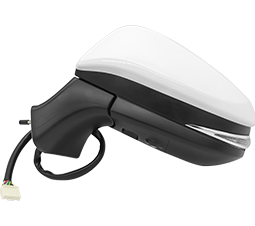 Wholesale Auto Side Mirror Suppliers, QXP MirrorProfessional Auto Side Mirror supplier and exporter in China, Hangzhou Golden Sun Autoparts Co., Ltd offer wholesale QXP Mirror and other...View Product →
You do not need a specialty shop kit, but the right hand tools make the difference between a clean removal and a shredded door panel. Gather the following before you start:
If the mirror is power-operated or heated, disconnect the negative battery cable and wait a few minutes before pulling the connector. This prevents a short circuit while you work and protects the door control module, which can be sensitive to power spikes when a harness is unplugged.
Before you begin, also inspect the new mirror for shipping damage. Cracks in the glass, a loose cap, or a bent mounting stud are much easier to see while the unit is still in its box, and a damaged mirror should be returned before you remove your door panel.
On most vehicles the mirror mounting nuts sit behind the door panel, so the inner trim has to come off first. Screw locations change between manufacturers, but the sequence stays consistent:
You will not always need to remove the whole panel. Some cars provide access holes behind the speaker grille or under a small cap, but for a first-timer, releasing the top trim is the most reliable route to the mirror nuts.
With the trim loose, the back of the mirror mount becomes visible. Almost every car holds the mirror with two or three studs and nuts on the inner door skin. Work through this sequence:
A magnetic pickup tool is worth having nearby. If a nut slips into the door cavity, you can retrieve it without tearing the weather barrier loose.
Installation reverses the removal order, but three details deserve special attention:
A clean mounting face also matters. Wipe any old sealant or dirt off the door skin where the mirror base sits, and if the paint is chipped, touch it up before fitting the new mirror so moisture does not creep under the gasket.
Connect the electrical plug before reinstalling the door panel, then test every function while the panel is off: glass adjustment in both planes, heating, turn-signal repeater, puddle lamp, and power-fold. If one function does not respond, the connector is probably not fully seated, or the mirror is wired for a different trim level, and fixing it now is much easier than after the panel is back on.
Reinstall the door panel by aligning the metal clips with their openings and pressing firmly along each edge until they click. Before you do that, however, check every plastic clip on the panel and replace any that cracked during removal; a fresh clip is far cheaper than a rattling interior. Replace the screws you set aside, but do not over-tighten them, since the plastic retainers will crack. Then lower the window, close the door, and adjust the mirror from the driver's seat.
The correct starting point shows a small sliver of the rear fender in the lower inner corner of the glass, with the horizon roughly centered. Adjust it while seated normally, not while leaning toward the window. A mirror angled too far out leaves a blind zone alongside the rear doors; one angled too far inward shows mostly the side of the car. After adjusting, take the car for a short drive and make fine corrections, because vibration will quickly reveal a mirror that is mounted too loosely.
In practice, four mistakes account for nearly every failed attempt:
Custom TOYOTA qxp Auto Side Mirror Manufacturer, FactoryHangzhou Golden Sun Autoparts Co., Ltd is well known TOYOTA qxp Auto Side Mirror Manufacturer and factory in China, we offer custom qxp A...View Product → section label driver-side and passenger-side units, so read that label before paying.If you skip the functional test before closing the panel, you will find the problem after the trim clips are seated, and reaching the connector again means starting over from step one.
Proper installation matters well beyond the convenience of a working mirror. Incorrectly installed or adjusted side mirrors can create serious safety hazards, ranging from loosening at speed to wiring shorts that disable the glass adjustment. The practical takeaway is simple: pick the right part, release the trim clips slowly, seat the connector completely, and verify the view from the driver's seat before closing the door.
 MINI Cooper Rear Mirror Guide: Interior Auto-Dimming & Side Mirror Facts
Aug 17, 2026
When a MINI Cooper R56 clips a garage post and cracks the driver-side mirror housing, the glass often survives. On an F56, the same impact can shatter the glass while leaving the housing intact. The interior rearview mirror fails in a third way: after years of heat and sunlight, the auto-dimming layer develops dark blotches that never clear. These three scenarios are distinct repair situations with different part requirements, and the right purchase decision starts with understanding which mirror system is actually failing. This guide explains the two mirror systems on a MINI Cooper, the failure signs that matter, and the checks that prevent a wasted purchase.
Drivers use "rear mirror" for both the interior rearview mirror and the exterior door mirrors. On a MINI Cooper, these two systems share almost nothing when it comes to mounting, wiring, or failure behavior.
The interior rearview mirror mounts at the center of the windshield, just below the headliner. First-generation R50/R53 models typically use a manual flip lever for day and night positions, with auto-dimming offered on selected option packages. Second-generation R56/R57 and third-generation F56/F57 models more commonly include auto-dimming, which darkens the mirror automatically when headlights glare from behind. On higher trims, the interior mirror also carries the garage door opener transceiver, and the area behind the mirror houses the rain sensor and, on later models, camera modules.
The exterior side mirrors are door-mounted assemblies with a heating element behind the glass, a two-axis adjustment motor, and, depending on trim, integrated turn signals, power folding, and memory positions. These mirrors are not decorative; they are a core part of how auto side mirrors improve driving safety, and a failed adjuster or heater compromises that function. Because the glass, the housing, and the internal mechanism can be replaced independently, the correct part list starts with identifying the failed component.
The auto-dimming mirror uses two light sensors. The forward-facing sensor measures ambient light through the windshield; the rear-facing sensor detects headlight glare from behind. When the rear sensor sees strong glare and the front sensor confirms that ambient light is low, the mirror control board applies a small voltage across an electrochromic gel sandwiched between two glass panes. The gel darkens gradually, usually over five to ten seconds, cutting reflected glare without losing the reflected image. When the glare disappears, the voltage is removed and the gel returns to its clear state.
Heat and age take a slow toll on electrochromic mirrors. The gel can separate, producing dark spots, streaks, or a permanent bronze tint. A pinched harness near the mirror base can leave the mirror permanently dark or make it flicker. These symptoms usually mean the mirror head must be replaced. Repairing the electrochromic element itself is rarely cost-effective on a compact car.
Matching the symptom to the correct part is the fastest way to avoid overbuying. The table below lists the mirror failures most often reported on MINI Cooper models and the usual corrective action.
| Symptom | Likely cause | Corrective action |
|---|---|---|
| Dark streaks or spots in the interior mirror | Electrochromic gel separation | Replace the interior mirror head |
| Interior mirror stays dark in daylight | Shorted sensor or control board, or pinched harness | Check the harness first, then replace the mirror |
| Side mirror glass vibrates at speed | Worn retaining springs or loose detent | Replace the glass or the complete assembly |
| Heated mirror clears slowly or not at all | Failed heating element or corroded terminal | Replace the mirror glass |
| Power adjustment works in one direction only | Worn motor or broken tilt gear | Replace the side mirror assembly |
| Turn signal in the mirror housing stays dark | Failed LED module or damaged wiring | Replace the mirror housing or the LED module |
Replacement mirrors for a MINI Cooper are not interchangeable across generations, and listings that look identical in photos can differ in the connector, the mounting base, and the integrated features. These checks prevent the most common purchasing mistakes.
Genuine MINI mirror assemblies carry a clear price premium, and the gap widens when the mirror includes wiring for heating, memory, turn signals, and folding. A properly built OE-style aftermarket mirror matches the original mounting and electrical specifications at a lower cost. The risk is not the aftermarket in general; the risk is a supplier that skips connector quality, glass edge sealing, or corrosion protection.
Once the replacement mirror is fitted, adjustment decides how much safety it actually provides. The interior mirror should frame the rear window with the horizon near the vertical center, and the side mirrors should extend the driver's field of view rather than duplicate it. Following the correct way to adjust auto side mirrors for optimal visibility closes most of the traditional blind spot. A mirror aimed too far inward can hide a bicycle or motorcycle in the adjacent lane, one of the safety hazards that arise when auto side mirrors are not installed or adjusted according to regulations. The physical work is usually minor: most side mirror glass swaps on MINI models take under an hour with basic trim tools, and an interior mirror replacement is often a ten-minute slide-off and clip-on job. The hard part is diagnosing the right part, not the fitment.
MINI Cooper drivers are not the only ones dealing with mirror failures. Vibration at speed, fogged glass, seized adjustment gears, and corroded heating elements appear across nearly every vehicle brand. The reason one replacement mirror lasts for years while another fails within months has little to do with the name on the box. It comes down to housing tolerance, glass retention, coating adhesion, and connector sealing.
Hangzhou Golden Sun AutoParts applies those same standards across its qxp mirror product line. The OE-style auto side mirror product range covers a broad set of Asian, American, and European nameplates, and every unit goes through the same housing tolerance and connector sealing checks.
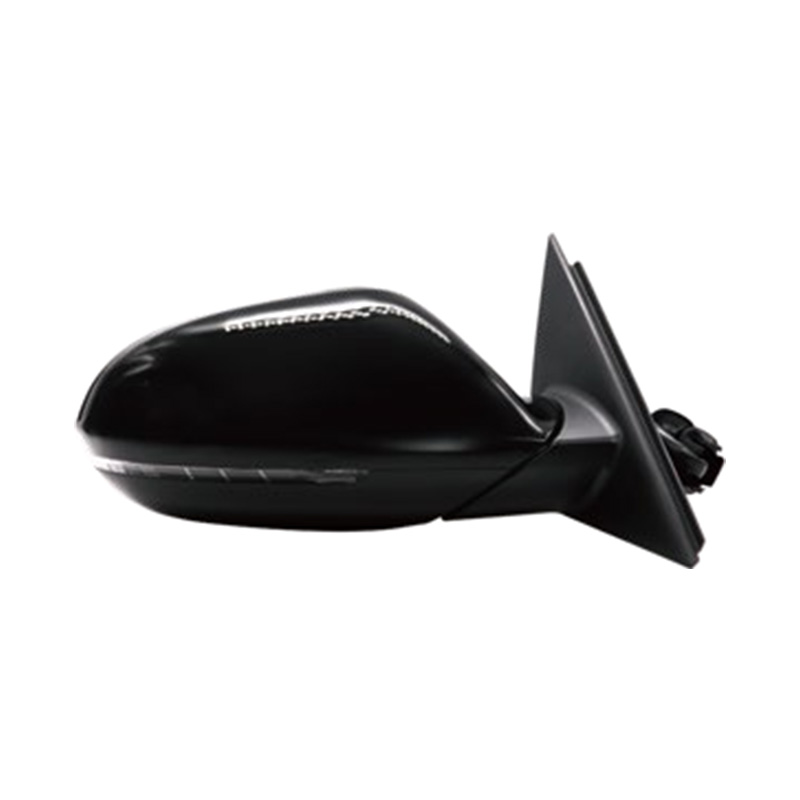
Wholesale Auto Side Mirror Suppliers, QXP MirrorProfessional Auto Side Mirror supplier and exporter in China, Hangzhou Golden Sun Autoparts Co., Ltd offer wholesale QXP Mirror and other...View Product →
The same construction logic applies to premium European platforms. The Audi OE-style mirror range, for example, demonstrates how precise housing fit and sealed electronics prevent the vibration and moisture failures that plague low-grade replacements.
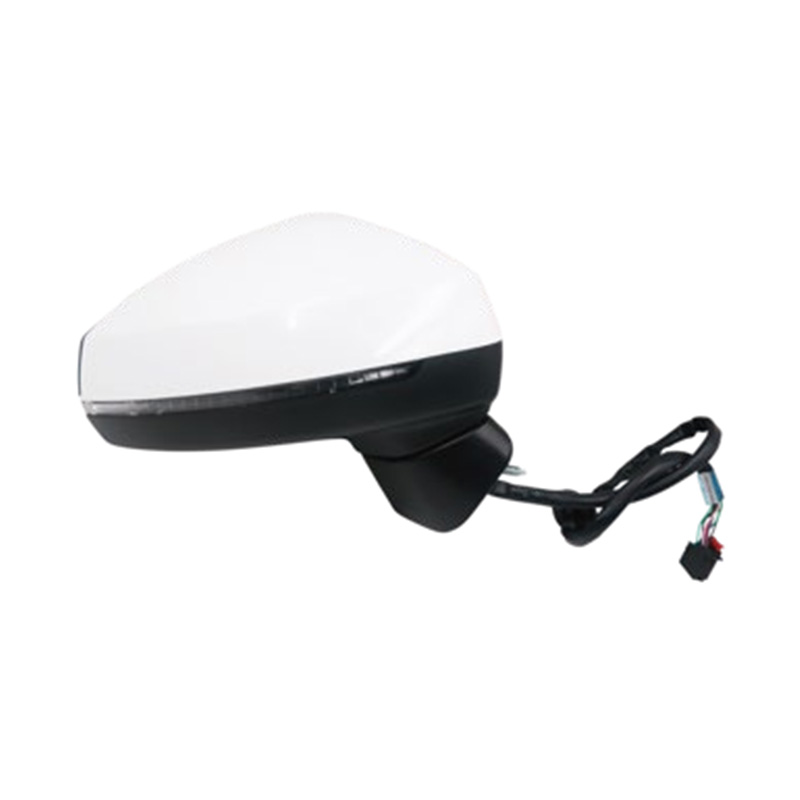 Custom AUDI qxp Auto Side Mirror Manufacturer, FactoryHangzhou Golden Sun Autoparts Co., Ltd is well known AUDI qxp Auto Side Mirror Manufacturer and factory in China, we offer custom qxp Aut...View Product →
Even when the MINI-specific mirror you need comes from another source, apply the same questions. Is it glass-only or a complete assembly? Does the connector match your build year? Are the electronic components sealed against moisture? A mirror is a safety component. It deserves the same scrutiny as a brake pad or a set of tires.
 How to Defrost a Windshield When the Heater Is Broken: Safe, Fast Methods
Aug 10, 2026
It is six in the morning, the temperature is below freezing, and you have just discovered that the heater blows nothing but cold air. Frost covers the windshield, and you need to get to work. Before you panic, know this: you can still clear the glass and drive safely without a functioning heater, but you have to change the way you operate the car. The practical sequence has three parts. First, physically remove the frost on the outside of the glass. Second, set the ventilation system to stop fog from forming on the inside. Third, plan a permanent repair so the next cold morning is not a repeat of this one. These methods work because they attack the root cause of poor visibility: moisture, not heat.
The defroster works by pushing air across a heater core filled with engine coolant. When the engine warms up, that heat transfers to the air, and the blower motor drives it through the dashboard vents onto the windshield. When any link in that chain fails, you get cold air or no air at all:
If the fan does not spin at all when you turn the knob to a high speed, the blower motor or its resistor pack is the likely culprit. This part is electrically driven and wears out over time, especially after years of winter use. The replacement is a direct swap: remove the old motor, install a new one, and reconnect the wiring. A reliable replacement HVAC heater blower motor restores cabin airflow and defrosting performance in about an hour, which is usually the cheapest permanent fix available.
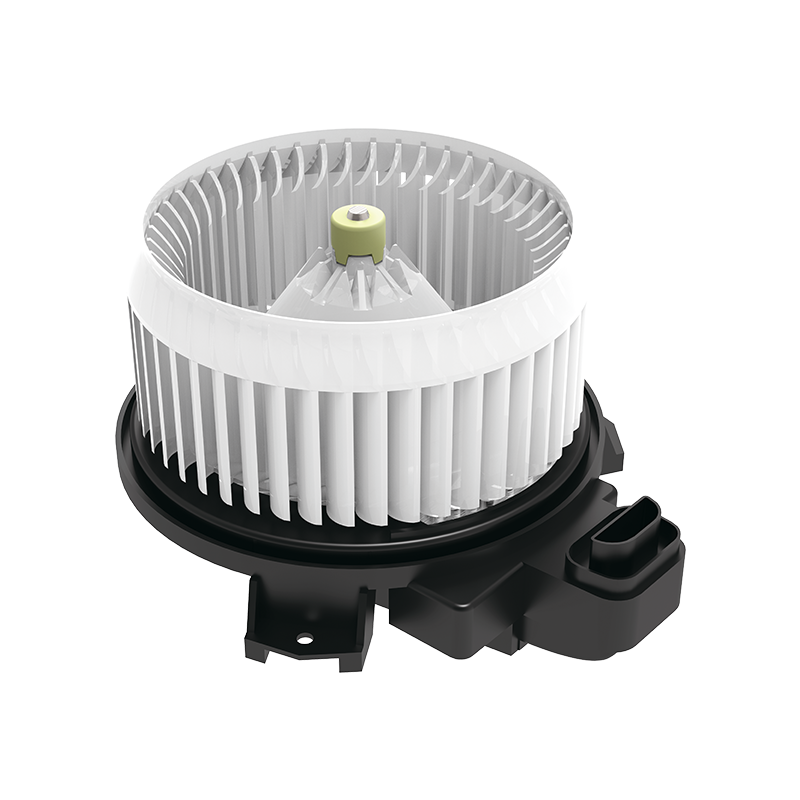 Custom HVAC Heater Blower Motor Manufacturers, FactoryHangzhou Golden Sun Autoparts Co., Ltd is trustworthy HVAC Heater Blower Motor Manufacturer and factory in China. We offer custom HVAC ...View Product →
If the fan spins but the air is cold, the issue sits on the heating side rather than the airflow side. Check the coolant level first, then listen for a thermostat that opens too early. Understanding the complete system helps you avoid replacing the wrong part; for a clear overview, it is useful to review how automotive HVAC systems manage cabin airflow from a design perspective.
When the heater is broken, you cannot rely on warm air to melt frost. The fastest and safest path is physical removal. Use a quality ice scraper with a plastic blade, start at the top of the windshield, and pull downward in smooth, overlapping strokes. This prevents ice from being pushed back up under the blade and avoids scratching the glass with trapped grit. Keep a separate short scraper for the side windows so you never drag road salt across the main windshield. For a full comparison of your options:
| Method | Speed | Risk | Cost | Best For |
|---|---|---|---|---|
| Ice scraper | Moderate | Low when used correctly | $5-10 | Thick frost and ice |
| De-icer spray | Fast | Low | $5-15 | Light to medium frost |
| Warm water | Very fast | High; glass may crack | Free | Emergency only |
Commercial de-icers, usually based on isopropyl alcohol or propylene glycol, quickly break the bond between ice and glass, which shortens scraping time dramatically. A homemade version works almost as well: mix one part water with two parts rubbing alcohol and add one small drop of dish soap. Spray it evenly, wait thirty seconds, and the ice loosens enough that a scraper glides through it without much force. Avoid applying the mix when the temperature is far below −18°C, because the alcohol can freeze back into a thin film and make the glass slicker than before.
Pouring warm water is fast, but it is also the one method that can permanently damage a windshield. A rapid temperature change of more than roughly 20°C across the glass creates internal stress, and cracks often start at existing chips or along the edges. If you are stranded with no scraper and no spray, use lukewarm water and pour it in a thin stream along the top edge so it runs down gradually. Never use boiling water, and never use this method on a windshield that already has a crack or a chip.
Fog is a different problem from frost. It forms when warm, humid cabin air meets the cold glass and condenses into tiny droplets. The trick is to remove moisture from the air you breathe, not to warm the glass. The fastest no-heat defogging routine is: turn the climate control to fresh outside air, set the fan to high, crack a side window about two centimetres, and wipe the glass with a clean microfiber cloth as needed.
Recirculation mode keeps moisture from passenger breath and wet clothing inside the cabin. That moisture is exactly what condenses on the glass. Outside air, even when it is cold, is drier than the air you are exhaling, so it clears fog more quickly. If the blower motor still works, this method alone can keep the windshield usable on a long drive, even if every vent is blowing cold air. If the blower motor is dead, the cabin pressure difference created by a cracked window still pulls some moisture out as you move.
Dirt, oil, and the residue left by old cleaning products give condensation a surface to grab onto. A dirty windshield fogs up faster, spreads light into glare, and smears more badly whenever you wipe it. Clean the inside of the glass with a dedicated auto glass cleaner and a dry microfiber cloth at least once a week during winter. After cleaning, apply an anti-fog treatment as directed; it forms a microscopic layer that stops water from beading on the surface. This is the same chemistry used by motorcycle goggle products and works reliably on automotive glass.
If your heater is already broken, the smartest move is to prevent frost overnight rather than fight it in the morning. A simple windshield cover, a piece of cardboard, or an old bed sheet held down by the wiper arms keeps ice off the glass entirely. If you do not have a cover, park facing east so the morning sun works on your side of the glass. Pull the wiper blades away from the surface so they do not freeze to the glass, and leave a small window gap to let cabin humidity escape overnight. Applying anti-fog coating to the inside glass before the cold spell starts will also cut the fogging work in half when you start driving.
No trick can replace a working defroster for the whole winter. Once the immediate emergency is handled, the correct move is to diagnose and replace the broken part. Start with the blower motor because it is responsible for all airflow. If the fan is dead, install a new blower motor. If airflow is normal but the air is cold, move to the cooling side:
A cracked or clogged replacement auto radiator for engine cooling can leave the engine running too cool in winter, which directly starves the heater core of the hot coolant it needs. If you suspect this failure mode, it is worth reading how radiator surface treatment and coating protect against corrosion before you buy. Similarly, an electric fan that cycles poorly can stop the car from holding temperature; understanding how engine cooling fans operate and the difference between electric and mechanical drives helps you isolate the fault quickly.
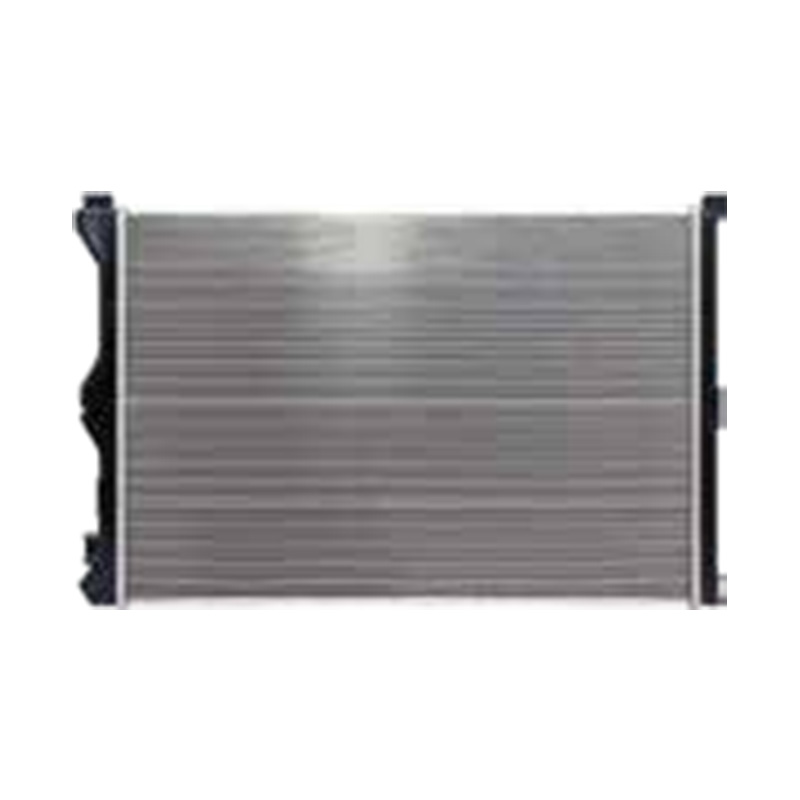
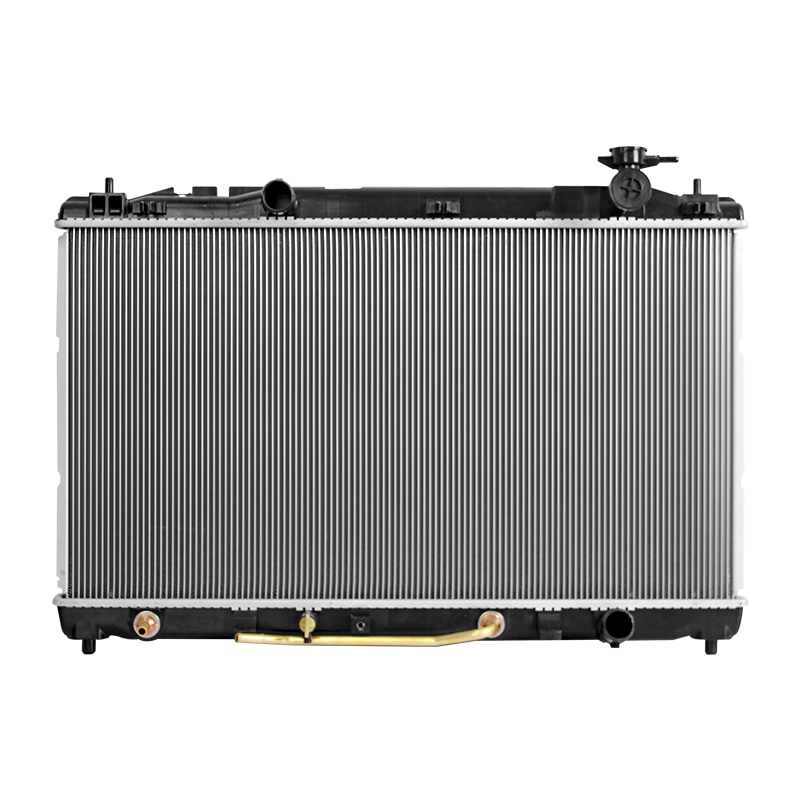 Custom HVAC Auto Radiator Manufacturers, FactoryHangzhou Golden Sun Autoparts Co., Ltd is trustworthy HVAC Auto Radiator Manufacturer and factory in China. We offer custom Auto Radiator...View Product →
Once the new parts are installed, run the engine, switch the climate control to the defrost position, and confirm that warm air reaches the windshield within ten minutes. If the air still feels lukewarm, check the blend door or the heater core itself; both require deeper repair work. Keep a scraper in the door pocket as a backup for the next unexpected failure, and you will never be stranded by fog again.
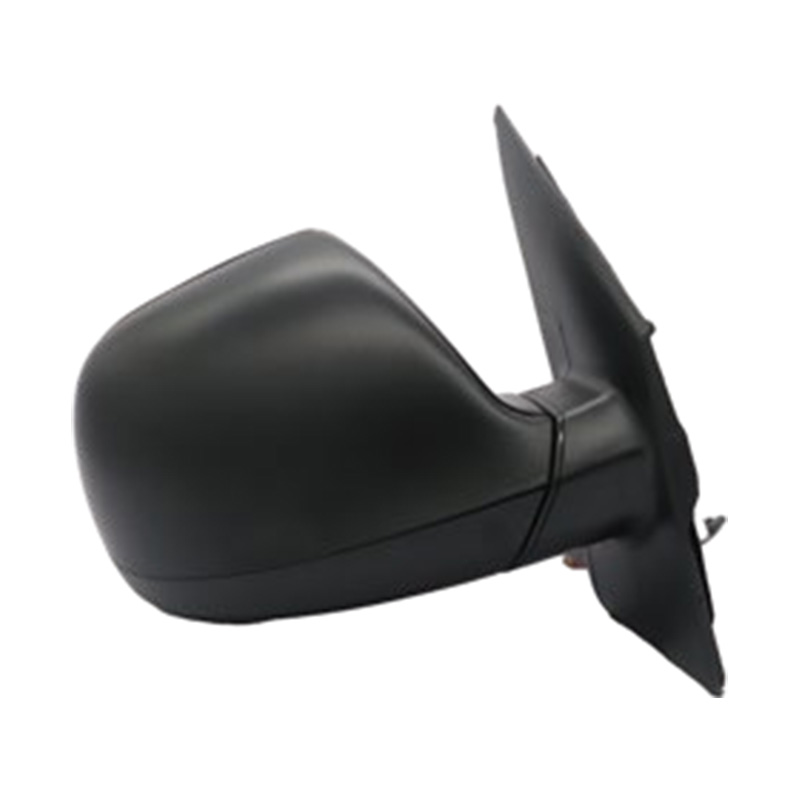 What Should Your Side Mirrors Look Like? View & Condition Guide
Aug 03, 2026
"What should your side mirrors look like" actually asks two separate things, and most articles only answer one of them. The first question is about the image: what should appear in the glass when you glance over during a lane change. The second question is about the mirror itself: what should the housing, glass, and hardware look like when everything is functioning the way it's supposed to.
Both matter, and they're connected. A correctly adjusted mirror on a cracked or clouded housing still leaves you with poor visibility, just for a different reason. This guide covers the image briefly, then spends more time on the second question, since that's the one drivers tend to overlook until something goes visibly wrong.
In a correctly adjusted side mirror, your own vehicle should barely be visible, if at all, along the inner edge of the glass. The rest of the mirror should show the adjacent lane and the road behind it, positioned so that a vehicle disappearing from your rearview mirror reappears in the side mirror almost immediately, with little to no gap between the two fields of view.
This is the SAE-recommended method, and it's a deliberate departure from the older habit of centering your own car in the frame. The NHTSA's guidance on minimizing blind spots reinforces the same principle: mirror settings that maximize outward coverage reduce the areas where a vehicle can hide from view. For the complete step-by-step adjustment process, the full evidence-backed adjustment method for eliminating blind spots walks through it in detail.
A side mirror in good condition has a few consistent traits regardless of make or model. The glass should be clear and evenly reflective across its entire surface, with no dark patches, cloudiness, or silvering loss. The housing should sit flush against its mounting point, without visible gaps, and should hold its position firmly once adjusted rather than drifting or vibrating loose while driving.
On mirrors with folding mechanisms, the fold and unfold action should be smooth and consistent on both sides, and power-adjusted mirrors should move promptly and quietly when controlled from inside the cabin. Any hesitation, grinding, or uneven movement between the two mirrors is usually the first sign that something inside the housing is wearing out.
A handful of visible signs separate a mirror that just needs cleaning from one that needs attention. Cloudy or foggy patches that don't wipe away are usually moisture that's gotten behind the reflective coating, which will typically spread over time rather than resolve on its own. Dark spots or a spider-web pattern in the glass point to a cracked reflective backing, often from an impact that didn't shatter the glass but damaged the coating underneath.
Beyond the glass itself, a loose or wobbling housing, visible gaps at the mounting base, or a mirror that no longer holds its adjusted position after closing and reopening the door are all mechanical warning signs. None of these make the mirror unsafe to use immediately, but they do mean the mirror's actual field of view no longer matches what you think you're seeing.
Mirrors with added features introduce their own baseline appearance that's easy to mistake for a fault. Auto-dimming mirrors will genuinely darken under bright headlights at night, which is expected behavior, not damage. Heated mirrors may show a faint grid pattern in the glass under certain lighting, which is the heating element itself and not a defect. Integrated turn signal indicators should illuminate evenly across the full strip, not in patches.
Knowing what's a built-in feature versus an actual problem matters, since these mirrors are more complex than a simple reflective surface. For more on how these systems work day to day, how automatic features like heating and auto-dimming function on modern side mirrors covers the mechanics in more depth.
Cloudy glass, cracked reflective backing, a housing that won't stay adjusted, or signal lighting that's failed in sections are all signs pointing toward replacement rather than a fix. Trying to compensate for a degraded mirror by adjusting around its flaws usually reintroduces the exact blind spots proper adjustment is meant to eliminate.
Matching a replacement to your specific vehicle matters for both fit and factory-level performance, since mirror housings, glass curvature, and integrated features vary significantly across makes and models. For drivers ready to compare options, a wide range of OEM-matched replacement side mirrors by vehicle brand makes it easier to find the correct match rather than settling for a generic fit.
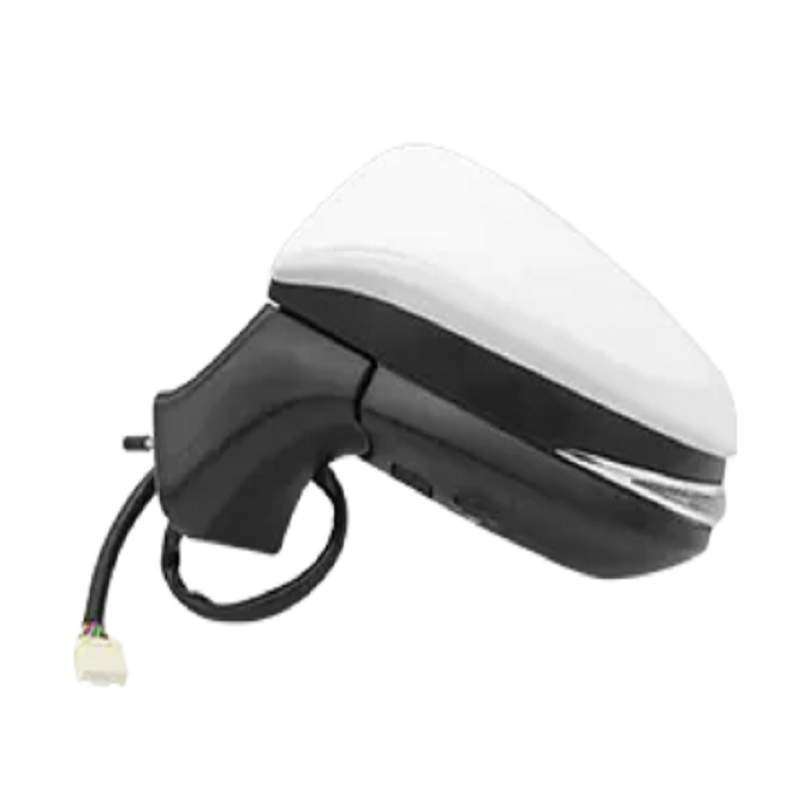 QXP Auto Side Mirror: Replacement & Feature Guide
Jul 31, 2026
Selecting the precise QXP auto side mirror is critical for maintaining vehicle safety standards and restoring full rearward visibility. A correctly specified replacement mirror restores up to 98% of original field-of-view performance, eliminating dangerous blind spots that generic alternatives often create due to improper curvature or mounting angles.
QXP mirrors are engineered to match OEM specifications for specific vehicle models, ensuring seamless integration with existing electrical systems and body lines. Whether replacing a damaged unit or upgrading to advanced features, understanding the technical distinctions between mirror types prevents costly returns and ensures regulatory compliance.
Modern QXP auto side mirrors offer diverse functionalities beyond basic reflection. Identifying the correct feature set for your vehicle is essential:
Even minor discrepancies in mirror specifications can lead to installation failure or electrical issues. Always verify these parameters before purchasing:
QXP mirrors use model-specific wiring harnesses. A 7-pin connector for a heated mirror will not function correctly in a 5-pin socket designed for manual units, potentially causing short circuits or blown fuses. Cross-reference the part number with your VIN to guarantee electrical compatibility.
The triangular base plate must align perfectly with the door’s mounting studs. Aftermarket mirrors with incorrect bolt spacing require drilling new holes, which compromises structural integrity and voids warranties. Genuine QXP replacements maintain the factory bolt pattern for secure, vibration-free attachment.
| Mirror Type | Pin Count | Key Functions | Typical Vehicle Class |
|---|---|---|---|
| Base Manual | 3-Pin | Manual Adjust Only | Economy / Fleet |
| Heated Power | 5-Pin | Power Adjust + Heat | Mid-Range Sedans |
| Premium BSD | 9+ Pin | BSD + Dimming + Fold | Luxury / SUV |
Proper installation ensures optimal performance and longevity of your QXP auto side mirror:
For mirrors with integrated cameras or BSD sensors, professional calibration may be required post-installation to ensure accurate object detection and alignment.
Regular care extends the service life of QXP auto side mirrors and maintains optical clarity:
By adhering to these maintenance practices, drivers can expect their QXP mirrors to perform reliably for over 10 years under normal operating conditions, safeguarding both visibility and vehicle value.
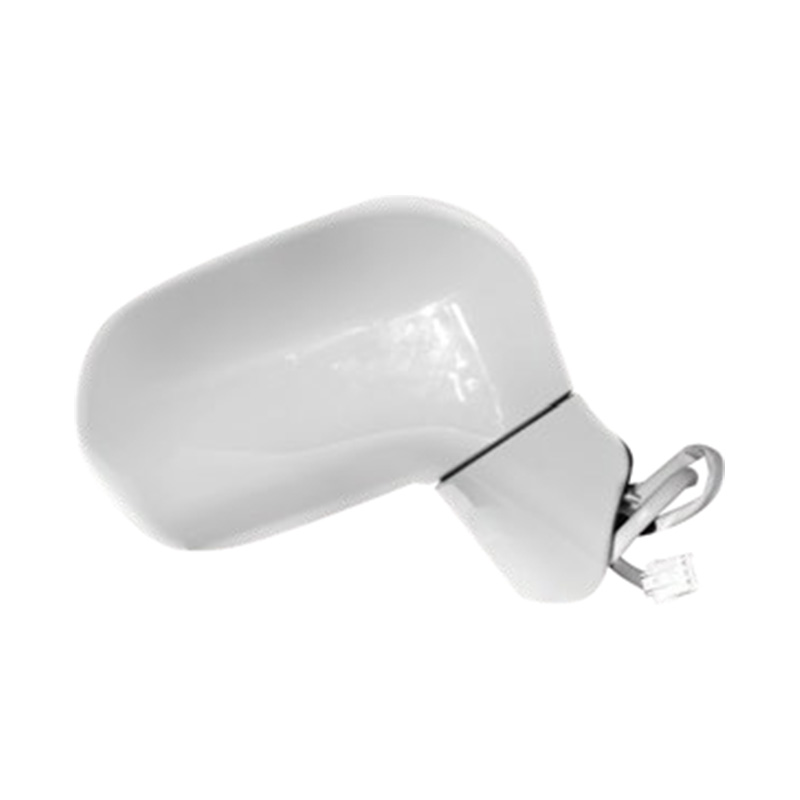 Honda Rear View Mirror: Interior vs. Side Mirror Guide & Replacement Tips
Jul 20, 2026
"Rear view mirror" gets used loosely, and that causes real confusion when it's time to buy a replacement. Technically, it refers to the mirror mounted inside the cabin on the windshield — the one you glance at to check traffic behind you. The mirrors mounted on the doors, angled to cover your blind spots, are side mirrors or door mirrors, even though plenty of drivers call them "rear view mirrors" too.
The distinction matters because the parts, mounting hardware, and failure points are completely different. An interior mirror twists off a windshield-mounted button and rarely involves wiring unless it's auto-dimming. A side mirror bolts to the door, often carries a motor for adjustment, and may include heating elements, turn signal indicators, or blind spot sensors depending on trim level. If you're dealing with a cracked or loose exterior mirror on a Honda, you're in the right place — that's what this guide focuses on.
Physical damage is the most obvious trigger — a cracked housing or shattered glass panel from a curb strike, a parking lot clip, or a fold-in mirror that got knocked past its normal range. These are usually easy to diagnose on sight.
Electrical symptoms take more attention. A mirror that no longer adjusts, or moves in only one direction, often points to a failing motor or a bad connection at the door harness. Heated mirrors that stop clearing frost, or turn signal indicators built into the mirror housing that stop flashing, are also common failure points as the wiring ages or the housing takes on moisture over time.
Side mirrors aren't just a convenience feature — they're part of a federal safety standard. Under NHTSA's Federal Motor Vehicle Safety Standard No. 111 on rear visibility, passenger vehicles must meet specific field-of-view and mirror configuration requirements, and outside mirrors play a defined role in satisfying that standard depending on whether the interior mirror alone provides adequate coverage.
That's part of why side mirrors play such a direct role in driving safety — and also why improperly installed or misadjusted mirrors create real safety hazards rather than just an inconvenience. A cracked mirror or one that won't hold its position isn't something to put off fixing.
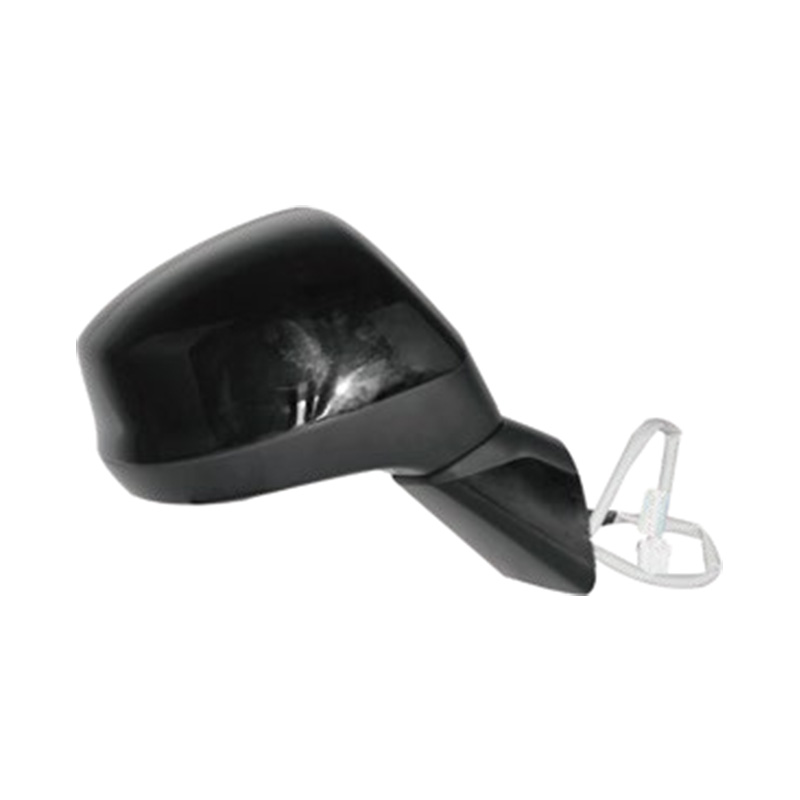
Honda side mirrors vary more than most drivers expect across model years and trims, so a few details need confirming before you order.
Getting any one of these wrong usually means a mirror that either doesn't bolt up correctly or is missing a feature your car already had — heated glass or turn signal wiring can't simply be added to a mirror that wasn't built for it.
A brand-new mirror still leaves blind spots if it's not angled correctly. Most drivers set their side mirrors too close to the view already covered by the interior mirror, which wastes their coverage instead of extending it outward.
Setting up your side mirrors correctly for optimal visibility takes a couple of minutes and meaningfully reduces the blind spot you have to check over your shoulder for — worth doing every time you install a replacement, not just once.
Once you've confirmed side, features, and model year, sourcing the correct part is the last step. Browsing Honda side mirrors by model narrows things down quickly if you know your vehicle's details.
If you're working on a different make alongside your Honda, or want to compare configurations across brands before deciding, the full range of auto side mirrors covers the same range of heated, power-adjustable, and signal-integrated options across other manufacturers.
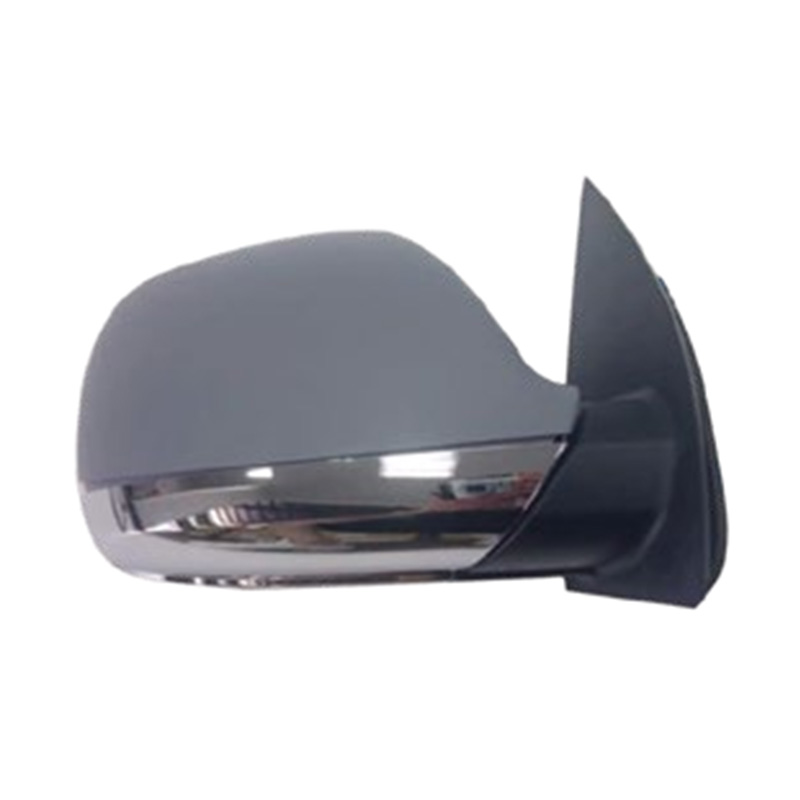 How to Get a Scratch Out of a Mirror: A Step-by-Step Fix Guide
Jul 13, 2026
Run a fingernail across the mark. If the nail glides over it without catching, the damage sits on the surface of the glass and can usually be reduced at home. If the nail snags or drops into a groove, the scratch runs deeper than the coating, and no amount of rubbing will make it disappear.
This five-second check saves a lot of wasted effort. Surface scratches respond to mild abrasives. Deep ones need professional polishing or a full glass replacement, and pushing harder with the wrong product just widens the damage.
Two other signs matter here. A scratch that looks smooth and catches light evenly is likely shallow. One with black flecks, a cloudy edge, or a spot where the reflection seems to disappear has probably reached the silver backing underneath the glass, and home remedies won't touch that.
Dust and grit trapped in a scratch act like sandpaper every time a cloth passes over it, so cleaning always comes before repair. Spray glass cleaner onto a microfiber cloth rather than directly on the mirror, then wipe in long, even strokes.
Dry the surface completely with a second clean cloth before starting any repair method. Anyone in a hard-water area should switch to distilled water for this step, since mineral deposits left behind can mimic a scratch under bright light and make it harder to judge progress.
Plain white, non-gel toothpaste contains mild abrasives that were originally designed to polish tooth enamel, and the same mild grit works on glass. Skip anything with gel, whitening beads, or added color.
If the mark is still visible after three passes, the scratch is past what toothpaste can handle. Move on to a stronger method rather than continuing to rub.
Baking soda carries a bit more bite than toothpaste, which makes it the next step up for scratches that are visible but not deep enough to catch a fingernail.
Always test on an inconspicuous corner first. Baking soda is gentle by household standards, but it can still leave fine haze on some mirror coatings if overused.
Nail polish doesn't remove a scratch so much as hide it. The polish settles into the groove and levels out the surface so light no longer catches the edge of the damage the way it did before.
Clean and dry the area first, then apply a thin coat of clear polish directly over the scratch and let it sit for about an hour. Wipe away any excess with a cloth dampened in nail polish remover, working carefully around the edges rather than across the whole mirror.
Skip this method on antique mirrors or mirrors with a decorative coating, since the remover can strip finishes that toothpaste and baking soda would never touch.
Cerium oxide is the compound glass shops actually use for scratch polishing, and small tubs of it are sold for home use alongside general metal polish. Both work the same way: a fine abrasive on a soft pad, applied with patience rather than pressure.
Watch for haze or warmth building up under the pad. Both are signs to stop immediately, since continued buffing at that point clouds the glass instead of smoothing it. A light film left behind afterward can usually be cleared with a vinegar-and-water rinse rather than more polishing.
Household glass and automotive side mirrors aren't quite the same thing, and treating them identically causes problems. Many modern side mirror glass panels carry a heating element for defrosting, an anti-glare coating, or a laminated blind-spot lens bonded to the surface. Aggressive buffing with metal polish or steel wool can scrub through these layers, and once that coating is gone, it doesn't come back.
There's also a visibility angle that a bathroom mirror doesn't have to think about. Side mirrors exist to give the driver a clear, distortion-free view of the lane behind and beside the vehicle, and how side mirrors reduce blind spots and improve driving safety depends on that reflection staying sharp. A scratch that hazes the glass or scatters light, especially at night, can genuinely reduce how much a driver can see in that mirror.
In the United States, exterior mirror performance is covered under Federal Motor Vehicle Safety Standard No. 111 on rearview mirror visibility, which sets field-of-view requirements for the mirrors a car ships with. A single light scratch won't put a vehicle out of compliance, but a mirror covered in haze, pitting, or filled-in polish residue can genuinely start to work against that visibility requirement rather than for it.
For a light surface mark on a side mirror, toothpaste or a very light pass of baking soda paste is a reasonable place to start. Skip the nail polish and steel wool on any mirror with a heating element or camera housing built into the glass.
Some damage is beyond what a cloth and a tub of toothpaste can fix, and knowing when to stop saves both time and the mirror itself.
| Sign | Why It Matters |
|---|---|
| Fingernail catches in the groove | Damage runs deeper than surface polishing can reach |
| Black spots or flecks near the scratch | Usually means the silver backing has been compromised |
| Reflection distorts or wobbles | Signals the glass or backing layer has separated |
| No improvement after two rounds of polishing | Further buffing risks clouding the glass rather than fixing it |
For a cracked side mirror glass panel, a housing that's split, or a mount that's failed rather than just scratched, what a mirror fix kit repair actually involves is worth reading before buying anything, since the right kit depends entirely on which part of the mirror actually failed.
When the glass itself is too far gone, replacing just the mirror panel or the full assembly is usually more practical than continuing to chase a scratch that won't buff out. A range of OEM-matched replacement side mirror assemblies covers most major makes and models for cases where the damage has gone past what any polish can fix.
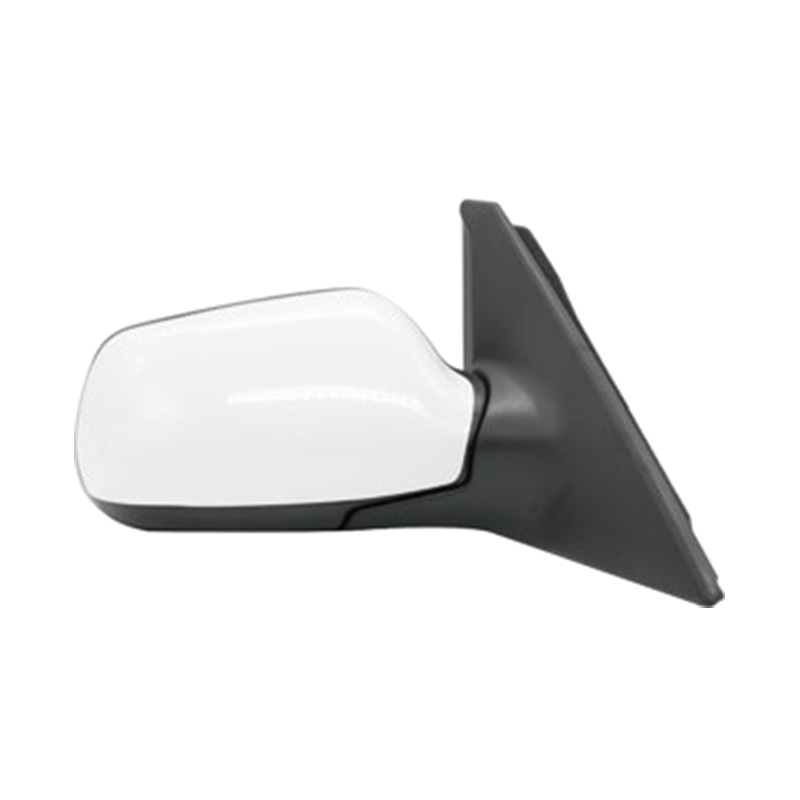 Rear View Mirror Guide: Types, Adjustment & Safety Tips
Jul 07, 2026
The rear view mirror is the primary tool for maintaining situational awareness of traffic directly behind your vehicle. For maximum safety, it should be adjusted to frame the entire rear windshield, providing a clear, undistorted view of the lane behind you. When combined with properly set side mirrors, this central reference point reduces blind spots by up to 90%, allowing for safer lane changes and reversing maneuvers.
Modern advancements have transformed the simple reflective glass into a sophisticated safety hub. Features like auto-dimming technology, integrated compasses, and emergency communication systems now make the rear view mirror a critical component of active vehicle safety. Understanding how to leverage these features ensures you remain protected from both environmental hazards and potential collisions.
Many drivers incorrectly adjust their mirrors, creating dangerous overlap or significant blind zones. The Society of Automotive Engineers (SAE) recommends specific geometric alignments to ensure seamless visibility across all three mirrors.
Large headrests, rear passenger cargo, or tinted windows can obstruct the view. If visibility is compromised, consider installing a wide-angle clip-on mirror or upgrading to a digital rear-view camera system. These alternatives provide a broader field of view, often exceeding 180 degrees, ensuring that tall passengers or stacked luggage do not create dangerous blind spots.
The evolution of the rear view mirror has introduced several technologies designed to reduce driver fatigue and improve reaction times. Choosing the right type of mirror can significantly impact your comfort during night driving and long-distance travel.
| Feature | Functionality | Benefit | Ideal Use Case |
|---|---|---|---|
| Manual Day/Night | Flip tab changes angle | Reduces glare simply | Budget vehicles, older models |
| Auto-Dimming | Sensors detect bright light | Instant glare reduction | Night driving, heavy traffic |
| Digital Display | Live camera feed | No obstructions, wide view | SUVs with poor rear visibility |
Auto-dimming mirrors use electrochromic gel to darken automatically when sensors detect high-beam headlights from behind. This reaction occurs in under 0.5 seconds, preventing temporary blindness and reducing eye strain. Digital mirrors, meanwhile, bypass physical obstructions entirely by using a high-dynamic-range camera mounted on the rear of the vehicle.
A well-maintained rear view mirror is essential for clear visibility. Over time, vibrations, temperature changes, and physical impacts can degrade performance. Regular checks ensure that your primary safety reference remains reliable.
By integrating proper adjustment habits with regular maintenance, you ensure that your rear view mirror remains a dependable asset. Whether you drive a classic car with manual glass or a modern vehicle with digital feeds, the principle remains the same: clear visibility is the foundation of defensive driving.

Auto Side Mirror Guide: Types, Adjustment & Repair Tips
Jul 02, 2026
Properly adjusted auto side mirrors eliminate blind spots and reduce the need to turn your head by up to 90% compared to traditional settings. The Society of Automotive Engineers recommends a specific adjustment method that expands your field of view beyond what the rearview mirror provides, creating a seamless panoramic perspective around your vehicle.
Most drivers incorrectly adjust their side mirrors to see the side of their own car, which creates significant blind zones where other vehicles can disappear. By shifting the mirror angle outward until your vehicle just disappears from view, you create a continuous visual buffer that enhances lane-changing safety and reduces collision risk.
This technique may feel uncomfortable initially because you won't see your car's body in the mirrors, but studies show it reduces blind spot areas by approximately 80% and allows you to detect approaching vehicles earlier than conventional mirror positions.
Auto side mirrors use different glass curvatures that significantly impact distance perception and field of view. Convex mirrors provide a wider viewing angle but make objects appear farther away, while flat mirrors offer accurate distance judgment with a narrower field of view. Understanding these differences helps you interpret what you see correctly and react appropriately to traffic conditions.
Most passenger vehicle side mirrors use convex glass with a curvature radius between 800-1200mm. This design expands the visible area by 15-20% compared to flat mirrors, allowing you to monitor more of the adjacent lane. However, the distortion causes objects to appear smaller and farther away than they actually are, which is why mirrors carry the warning "Objects in mirror are closer than they appear."
The degree of convexity varies by region and vehicle type. European regulations often mandate stronger convexity on passenger-side mirrors to compensate for the greater distance from the driver's eye, while North American standards allow milder curves. Dual-curvature mirrors combine a flat inner section with a convex outer section, offering both accurate distance judgment and expanded peripheral vision.
Flat mirrors maintain true distance perception without distortion, making them ideal for situations where precise depth judgment matters. Commercial trucks and some luxury vehicles use flat driver-side mirrors paired with convex passenger-side mirrors. This combination provides accurate distance assessment on the driver's side while maximizing coverage on the passenger side where blind spots are larger.
| Mirror Type | Field of View | Distance Accuracy | Best Use Case |
|---|---|---|---|
| Convex | Wide (15-20% expansion) | Reduced (objects appear farther) | Passenger side, blind spot reduction |
| Flat | Standard | Accurate | Driver side, precision judging |
| Dual-Curvature | Wide with accurate zone | Mixed (accurate center) | Premium vehicles, optimal balance |
| Aspheric | Very wide | Variable | Motorcycles, compact cars |
Modern auto side mirrors incorporate sophisticated technologies that enhance visibility, safety, and convenience. Heated mirrors prevent fog and ice buildup in adverse weather, while power-folding mechanisms protect mirrors in tight parking situations and reduce wind resistance at high speeds. These features have evolved from luxury options to standard equipment on many mid-range vehicles.
Heated mirrors use thin electrical heating elements bonded to the back of the glass or integrated into the mirror housing. When activated, typically through the rear defroster switch, these elements warm the glass to 100-120°F (38-49°C), evaporating condensation and melting light ice accumulation. Tests show heated mirrors restore full visibility within 3-5 minutes in freezing rain conditions, compared to 15-20 minutes for unheated mirrors relying on ambient air flow.
The heating elements consume minimal power, typically 10-15 watts per mirror, making them efficient enough to run continuously during cold weather without straining the vehicle's electrical system. Most systems automatically deactivate after 10-15 minutes to prevent overheating and conserve energy.
Many modern vehicles integrate blind spot monitoring systems directly into the side mirror housing. LED indicators illuminate in the mirror glass when sensors detect vehicles in adjacent lanes, providing visual warnings without requiring drivers to look away from the road. These systems reduce lane-change collisions by approximately 14% according to Insurance Institute for Highway Safety data.
Advanced versions include audible alerts and flashing lights when the driver activates the turn signal while a vehicle is detected in the blind spot. Some luxury models feature camera-based systems that display video feeds in the mirror glass, effectively eliminating blind spots entirely through digital visualization.
Electric mirror adjustment motors allow precise positioning through dashboard controls or door-mounted switches. Multi-driver vehicles benefit from memory functions that store mirror positions linked to key fobs or driver profiles, automatically adjusting mirrors when different drivers enter the vehicle. Memory systems save 10-15 seconds of adjustment time per driver change and ensure optimal visibility settings are maintained consistently.
Replacing broken auto side mirror glass costs $20-50 for parts versus $150-400 for professional service, making DIY repair an attractive option for budget-conscious vehicle owners. Most mirror repairs involve simple procedures that require basic tools and 30-60 minutes of work time.
Clip-on replacement glass works for mirrors with plastic mounting brackets, while adhesive-backed glass suits metal backing plates. Always verify whether your mirror includes heating elements before purchasing replacement glass, as heated mirrors require specific glass types with embedded wiring connections.
Mirrors that shake excessively at highway speeds usually have worn mounting hardware or loose internal components. Tighten exterior mounting bolts accessible from inside the door panel or through the mirror base. If the mirror housing itself feels loose, check the pivot mechanism for worn bushings or broken retention clips.
For power mirrors that drift out of position, the issue often involves stripped gears in the adjustment motor assembly. Replacement motor assemblies cost $40-80 and typically require removing the interior door panel to access the mirror mounting bolts and electrical connectors.
Complex repairs involving integrated electronics, camera systems, or structural damage to the mirror housing warrant professional attention. If the mirror assembly sustained impact damage that cracked the housing or damaged mounting points, replacement of the entire unit ensures proper fitment and safety. Professional installation guarantees correct alignment and electrical connections, particularly for mirrors with blind spot monitoring or heating functions.
Auto side mirror regulations vary by jurisdiction but universally require adequate rearward visibility for safe vehicle operation. Federal Motor Vehicle Safety Standard 111 mandates that all passenger vehicles sold in the United States must have at least one exterior mirror on the driver's side, though most vehicles include mirrors on both sides for optimal safety.
FMVSS 111 specifies minimum field of view requirements, mandating that driver-side mirrors provide a clear view of the road surface extending to the horizon. Passenger-side mirrors must meet similar standards but allow convex curvature to expand the viewing area. The regulation also requires that mirrors remain securely mounted and resist vibration under normal driving conditions.
European Union regulations under ECE R46 require both exterior mirrors on passenger vehicles and specify stricter convexity limits to minimize distance distortion. Asian markets follow similar standards with regional variations in allowed mirror sizes and mounting positions. Vehicles imported between regions may require mirror modifications to comply with local regulations, particularly regarding convexity levels and warning label placement.
Driving with missing or severely damaged side mirrors typically results in traffic citations ranging from $50-200 depending on jurisdiction. Law enforcement officers can issue fix-it tickets requiring mirror repair within a specified timeframe, or cite drivers for equipment violations that compromise safety. Broken mirrors also increase liability in accident scenarios, as insurance companies may argue that inadequate visibility contributed to collisions.
Regular inspection of mirror condition, proper adjustment, and prompt repair of damage ensures compliance with legal requirements while maximizing safety benefits. Treat auto side mirrors as critical safety equipment rather than cosmetic accessories, maintaining them with the same attention given to brakes and tires.
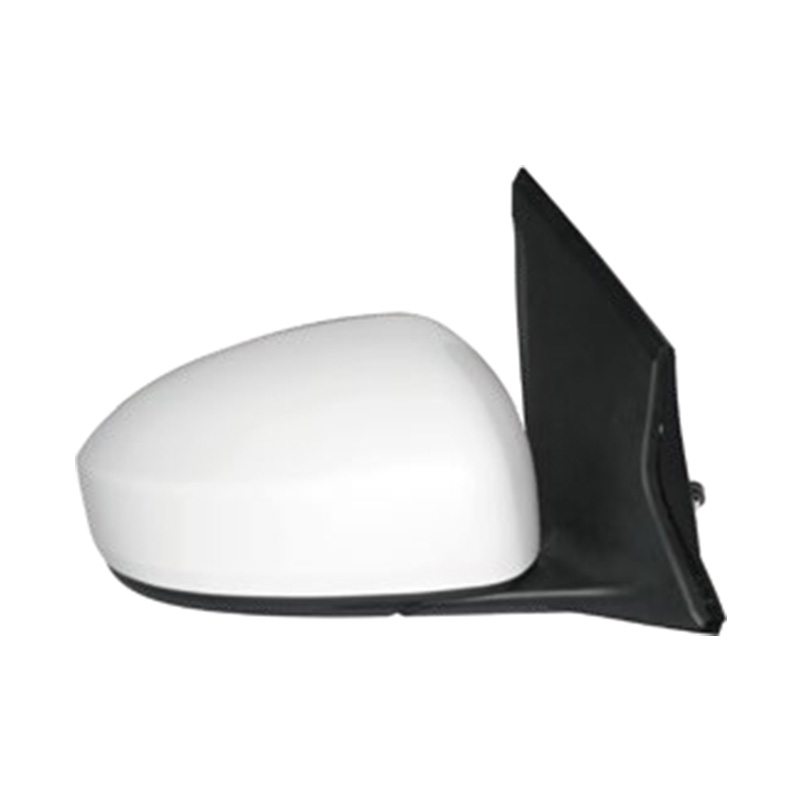 How Should You Adjust Your Side Mirrors: A Complete Situation Guide
Jun 22, 2026
Most drivers adjust their mirrors immediately after sitting down, before settling into their actual driving position. That single mistake undermines everything that follows. A mirror set while you are sitting upright at an unusual height, or before the seat is pushed forward to reach the pedals, will be misaligned the moment you start driving.
The correct sequence is always seat first, then mirrors. Adjust the seat so you can comfortably reach the pedals with a slight bend in the knee, the steering wheel is within easy reach without leaning forward, and your head is roughly centered between the headliner and the seat cushion. Only once you are in this position — the position you will hold for the entire drive — should you touch the mirrors.
This matters because mirror angles are relative to your eye position. A two-inch difference in seat height changes what you can see in either mirror by several feet at highway distance. The safety hazards that arise from improperly adjusted mirrors are not theoretical — misalignment is a primary contributor to the blind spots responsible for a significant share of lane-change collisions every year.
With your seat set, lean your head toward the driver-side window until it nearly touches the glass. From this position, adjust the mirror outward until you can just barely see a thin sliver of your own vehicle's rear quarter along the mirror's inner edge. This sliver — roughly the width of a door handle — acts as a reference point for spatial positioning without wasting mirror coverage on bodywork you already know is there.
For the vertical angle, aim to place the horizon line — where road surface meets sky — roughly in the center of the mirror. Too much sky means you are missing the critical zone behind and beside the vehicle. Too much road surface means you are losing sight of vehicles approaching from a distance. If you are driving in hilly terrain or on elevated roads, adjust slightly to favor road surface over sky.
Return to your normal seated position and check the view. You should see a continuous sweep of the lane beside you and the lane behind, with just that thin vehicle edge visible. If you can see a significant portion of your own car's side panel, the mirror is angled too far inward and your blind spot is larger than it needs to be.
The passenger-side mirror follows the same logic but requires a different head position to set correctly. Instead of leaning toward the window, lean toward the center of the vehicle — roughly toward the center console — until your head is approximately above the gearshift. From this position, adjust the mirror outward until you again see just a thin sliver of the vehicle's rear quarter panel along the mirror's inner edge.
Because you sit on the opposite side of the car, this outward lean shifts the mirror's coverage further to the right compared to what you will see from the driving seat. That offset is intentional — it extends the mirror's coverage into the passenger-side blind zone that would otherwise be invisible without a shoulder check.
Vertical alignment follows the same rule: horizon centered in the mirror frame. One additional consideration on the passenger side is parking visibility. When maneuvering into a parallel space or a tight curb, tilting the passenger mirror slightly downward allows you to see the curb line clearly. Some vehicles offer a dedicated "reverse tilt" function that does this automatically when reverse gear is selected, then returns to the standard position when drive is engaged.

There are two widely recognized approaches to side mirror adjustment, and they produce meaningfully different results. Understanding both lets you choose the one that suits your vehicle and driving habits.
The standard method — recommended by most national driving guides — places the mirror so you can see a small portion of the vehicle's side. This creates a slight overlap between the rearview mirror and each side mirror, giving you a consistent spatial reference. The trade-off is a larger blind spot on each side, which must be covered by shoulder checks before every lane change.
The SAE blind-zone technique, developed through research published by the Society of Automotive Engineers, angles the mirrors significantly further outward. The goal is to eliminate the blind spot entirely by ensuring that a vehicle exiting the rearview mirror's coverage immediately enters one of the side mirrors. In this configuration, you cannot see your own vehicle in the side mirrors from the normal driving position at all. The blind spot shrinks to near zero, but the spatial reference point disappears — some drivers find this disorienting initially, particularly when parking.
| Feature | Standard Method | SAE Blind-Zone Technique |
|---|---|---|
| Vehicle edge visible in mirror | Yes — small sliver | No |
| Blind spot size | Moderate | Minimal to none |
| Spatial parking reference | Good | Reduced |
| Shoulder check still needed | Yes | Recommended but less critical |
| Best suited for | Most drivers; vehicles with limited rearview visibility | Highway driving; experienced drivers |
NHTSA research on lane-change crashes and near-crashes consistently identifies blind spot failure as a leading contributing factor. Either method is an improvement over the common habit of angling mirrors primarily to see your own car — the default that maximizes blind spot coverage rather than minimizing it. For a broader view of how side mirrors contribute to overall driving safety, the key factor is not which method you use but how consistently and correctly you apply it.
Standard mirror settings are calibrated for moving traffic. Several common driving situations benefit from deliberate adjustments beyond the default position.
Parallel parking and tight reversing: Before reversing into a parallel space, tilt the passenger-side mirror downward approximately 15 degrees. This gives you a clear view of the curb and the rear corner of the vehicle — the two reference points most critical for avoiding wheel contact. Return the mirror to the standard position once parked. If your vehicle does not have automatic reverse tilt, develop the habit of manually adjusting before and after each parallel maneuver.
Towing a trailer: A standard side mirror provides almost no useful rearward visibility when a trailer is attached. For occasional towing, clip-on towing mirror extensions that attach to the existing mirror housing are a practical solution. For regular towing, replacing the side mirrors with larger tow mirrors — which extend further outward and offer a wider field of view — provides substantially better coverage. If you frequently tow with a specific vehicle, replacement auto side mirrors for Toyota models and Honda replacement side mirrors are available in tow-ready configurations that mount in the same position as the stock unit.
Night driving and headlight glare: Most rearview mirrors have a manual or automatic anti-glare mode; side mirrors generally do not. If headlights from a following vehicle create significant glare in your side mirrors, slightly tilting each mirror downward a few degrees reduces the reflected light while maintaining enough rearward visibility to monitor traffic. Auto-dimming side mirrors, available on many newer vehicles, handle this automatically.
Blind spot monitoring (BSM), lane change assist, and cross-traffic alert systems have become standard features on vehicles produced after the mid-2010s. These systems use radar or camera sensors to detect vehicles in zones that mirrors do not fully cover and alert the driver with a light in or near the side mirror housing. They are genuinely useful — but they are supplements to correct mirror adjustment, not substitutes for it.
A well-adjusted mirror still provides faster visual information than a warning light in most lane-change situations. BSM systems have detection thresholds — they typically activate when a vehicle is within a set distance alongside the car — and they can fail to detect motorcycles, cyclists, or objects at the edges of their sensor range. Correct mirror adjustment eliminates blind spots that BSM was never designed to cover, including the zone immediately alongside the vehicle that becomes visible only when mirrors are set using the SAE technique.
One practical consideration with modern vehicles: electric mirror adjustment with memory settings means your mirror positions can be saved to a driver profile. If multiple people drive the same vehicle, using this feature ensures your settings are restored the moment your seat position is recalled. Without it, checking and resetting mirrors every time someone else has driven the car is a necessary step. The complete range of OEM-style auto side mirrors available for most makes includes both manual and power-adjustable configurations, with heated and auto-folding variants suited to different climates and parking environments.
Finally, mirror position should be verified any time you notice a change in your driving posture — after carrying a heavy load that compresses the seat, after switching from winter boots to lighter footwear that changes pedal reach, or after any physical change that alters how you sit. Five seconds of verification before pulling out is a simpler habit than managing the consequences of a blind-spot collision.
 Can You Hang Air Freshener on Rearview Mirror? Laws & Safety
Jun 15, 2026
The small cardboard pine tree swinging from a rearview mirror has become one of the most recognizable images in automotive culture. For most drivers, it barely registers as a decision — you buy a car air freshener, you hang it from the mirror, done. What most drivers do not know is that in a significant number of U.S. states, that same dangling freshener can be the legal basis for a traffic stop, a citation, or both. The answer to whether you can hang an air freshener from your rearview mirror is not yes or no — it is a question of where you are driving and exactly how the freshener is positioned.
Hanging an air freshener inside your vehicle is not illegal. The legal issue arises specifically when that freshener is attached to the rearview mirror in a way that obstructs the driver's forward view through the windshield. That distinction — object versus obstructed view — is the line most state laws draw, and it is a line that a dangling mirror ornament crosses easily depending on its size, placement, and how much it swings during driving.
The core legal principle across virtually every regulated state is the same: drivers must maintain an unobstructed view of the road ahead. Air fresheners hanging from the rearview mirror are not singled out by name in most statutes, but they consistently fall within the category of "objects suspended between the driver and the windshield" that these laws are designed to address. The object does not have to fully block vision to trigger a violation — partial obstruction, particularly in the driver's primary forward sightline, is typically sufficient.
Because no federal law governs this specific issue, the rules vary by state. The table below summarizes the regulatory position in the states most commonly cited in traffic stop litigation and enforcement involving rearview mirror hangings.
| State | Legal Standard | Enforcement Note |
|---|---|---|
| California | Prohibited if object obstructs driver's clear view of road or intersecting highway | Fines up to $25 first offense, $50 subsequent; actively enforced |
| Minnesota | Broadly prohibits any object suspended between driver and windshield with limited exceptions | One of the strictest standards; has been basis for high-profile traffic stops |
| Pennsylvania | Prohibits any object or material hung from the inside rearview mirror | Specific language; upheld as probable cause for stops in court rulings |
| Texas | Prohibited if object obstructs driver's clear view | Enforcement varies by jurisdiction; officer discretion plays a role |
| Illinois | Prohibited if object materially obstructs driver's view | Enforced; "material" obstruction standard gives officers some discretion |
| Arizona | Prohibited if object obstructs or reduces driver's clear view | Similar enforcement pattern to California and Texas |
| Virginia | Illegal if view is obstructed, but no longer a primary stop offense | Police must have another reason to initiate a stop; secondary enforcement only |
| Florida | Prohibited if object materially obstructs driver's view | Enforcement discretionary; size and placement of object considered |
California's law is among the most precisely written. California Vehicle Code § 26708 prohibits drivers from attaching, placing, or installing objects that obstruct or reduce the driver's clear view through the windshield or side windows — language broad enough to cover any hanging item regardless of its stated purpose. Most other regulated states follow a similar obstruction-based framework rather than naming specific object types.

The legal restrictions exist because the safety risk is real, even if drivers rarely think about it in those terms. The rearview mirror sits almost exactly in the center of the driver's primary forward sightline — the visual path the eyes travel most frequently while scanning the road ahead. An object hanging directly below or in front of the mirror occupies a portion of that zone even when the driver's gaze is not consciously directed at it.
Two distinct hazard mechanisms are at work:
The combination of these two effects is why enforcement focuses on hanging items rather than, say, a sticker in the corner of the windshield. Movement amplifies the risk of a static object significantly.
The legal landscape around enforcement is not uniform, and understanding the difference between primary and secondary traffic offenses matters here. In states where a rearview mirror obstruction is a primary offense — California, Minnesota, Pennsylvania, Texas, and Illinois among them — a police officer can legally initiate a traffic stop based solely on the observation that an object is hanging from the mirror. No other violation needs to be present. The air freshener alone is sufficient legal justification for the stop.
In states where the obstruction is a secondary offense — Virginia being the most prominent recent example after legislative reform — officers must have an independent primary reason to stop the vehicle first. The hanging object can then be noted and cited as an additional violation, but it cannot be the sole trigger for the stop.
This distinction matters in practice. In primary-offense states, a hanging air freshener has been the documented initiating reason for traffic stops that subsequently revealed other offenses, leading to arrests and legal challenges. The small size of a typical air freshener does not immunize it from this enforcement dynamic — officers in these states have legal authority to stop a vehicle for any object they can articulate as obstructing the driver's view, and courts have generally upheld that authority when challenged.
Keeping a car smelling fresh does not require hanging anything from the mirror. Several product formats deliver the same scent effect without creating a legal or safety issue:
For drivers who prefer traditional hanging fresheners, removing the item from the mirror before driving and replacing it when parked keeps the scent effect while eliminating the legal exposure entirely. A freshener on the mirror while the car sits in a parking spot is not a violation in any state reviewed above. Pairing scent solutions with quality auto accessories for a cleaner and safer vehicle interior — including floor mats and organizers that reduce interior clutter — addresses the overall cabin environment more comprehensively than a single hanging item can.
The legal discussion around rearview mirror hangings ultimately connects to a broader principle: mirrors exist to give drivers visibility, and anything that compromises that visibility compromises safety. The same logic applies to the condition of all the mirrors on a vehicle, not just what is hanging from the interior one.
A cracked, misaligned, or damaged side mirror creates a blind spot that no amount of careful driving technique fully compensates for. Side mirrors provide the lateral field of view that the rearview mirror cannot — coverage of the areas beside and slightly behind the vehicle where lane-change conflicts and intersection hazards originate. A vehicle with its interior mirror clear of obstructions but with a damaged or poorly adjusted side mirror has traded one visibility problem for another.
Maintaining complete mirror coverage means keeping all three mirrors — interior rearview, driver-side exterior, and passenger-side exterior — in functional condition and correctly adjusted at all times. Replacing a damaged side mirror with a properly fitted unit restores the full visibility geometry the vehicle was designed to provide. Options including auto side mirror replacement for unobstructed road visibility cover a wide range of vehicle makes, with model-specific fitments such as Toyota-compatible side mirrors for clear driving sight lines and Honda replacement side mirrors for full lateral visibility ensuring the replacement unit integrates correctly with the vehicle's existing adjustment and signal systems.
The question of whether to hang an air freshener from the rearview mirror turns out to be a small but useful prompt to think about vehicle visibility more broadly. Clear mirrors, properly adjusted, with nothing interrupting the sightlines they are designed to provide — that is the standard to maintain, and it applies to every piece of glass and every reflective surface on the vehicle.


[Auto Accessories][email protected]
[Auto Parts][email protected]

+86-0571-26238568

Kangxin Road, Tangqi Town, Linping District, Hangzhou , Zhejiang , China