English
 中文简体
中文简体
 русский
 Español
[Auto Accessories][email protected]
2026-02-05
Content
Auto side mirrors are a critical safety component, providing drivers with essential visibility of surrounding traffic and obstacles. Properly functioning mirrors reduce blind spots, assist in lane changes, and improve overall driving safety. Investing in high-quality mirrors and maintaining them regularly ensures reliability and compliance with traffic regulations.
Side mirrors vary in design, functionality, and technology. Choosing the right type depends on vehicle type, usage, and driver preference.
Manual mirrors require physical adjustment from the driver. They are less expensive and simple to maintain, making them common in budget vehicles.
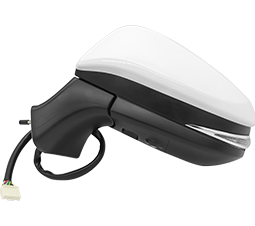
Electric mirrors use motorized mechanisms for easy adjustment. Drivers can control the mirror angle from inside the vehicle, offering convenience and precision. Many models include heating elements to prevent fogging or ice accumulation.
Auto-folding mirrors fold inward automatically when the car is parked. This feature protects the mirrors from accidental damage and is especially useful in tight parking spaces.
These mirrors have an additional convex lens or built-in wide-angle section to reduce blind spots. They improve safety during lane changes, particularly on highways.
The durability and effectiveness of side mirrors depend on their materials and construction.
Automotive mirrors use tempered or coated glass to resist shattering and glare. Some mirrors include anti-reflective coatings or heated glass to enhance visibility in adverse conditions.
Housings are typically made from ABS plastic or metal alloy. High-quality housings provide impact resistance and protect internal mechanisms from moisture, dust, and debris.
Secure mounting ensures stability while driving. Most modern vehicles use a combination of brackets and screws, sometimes integrated with electronic connectors for powered mirrors.
Regular maintenance improves mirror longevity, performance, and driver safety.
Use soft microfiber cloths and mild glass cleaners to remove dirt and grime. Avoid abrasive materials or harsh chemicals that can scratch or damage mirror surfaces.
Check electric adjustment motors, folding mechanisms, and heating elements regularly. Ensure wiring is intact and free of corrosion for reliable functionality.
When parking in tight areas, fold mirrors (if possible) to prevent damage. Applying protective coatings or films can reduce minor scratches and UV damage.
Replacing or upgrading auto side mirrors can enhance safety, aesthetics, and functionality.
Match the replacement mirror with the car model and year. Ensure compatibility with manual or electric adjustment, heating elements, or integrated indicators.
Follow manufacturer instructions carefully. For powered mirrors, disconnect the battery before handling electrical connections. Proper torque on mounting screws ensures stability.
Many drivers upgrade to heated mirrors, LED turn signals, or auto-dimming glass. These features improve visibility, safety, and driving comfort in various weather conditions.
| Mirror Type | Adjustment | Extra Features | Best Use |
|---|---|---|---|
| Manual | Manual | None | Budget vehicles, basic use |
| Electric | Motorized | Heated glass, memory settings | Daily commuting, convenience |
| Auto-Folding | Motorized/Manual | Protective folding | Tight parking spaces |
| Blind Spot | Manual/Electric | Convex section, wide-angle | Highway driving, safety enhancement |
Auto side mirrors are indispensable for safe driving, providing visibility, reducing blind spots, and enhancing overall vehicle safety. Selecting the right type, maintaining proper function, and considering upgrades such as heating, auto-folding, or blind spot enhancement can significantly improve driving experience and accident prevention. Regular inspection and timely replacement ensure that mirrors remain reliable and effective for years.


[Auto Accessories][email protected]
[Auto Parts][email protected]

+86-0571-26238568

Kangxin Road, Tangqi Town, Linping District, Hangzhou , Zhejiang , China