English
 中文简体
中文简体
 русский
 Español
[Auto Accessories][email protected]
2026-02-09
Content
Replacing a rear view mirror is a straightforward task that most vehicle owners can complete in 15-30 minutes with basic tools. The process involves removing the old mirror from its windshield mount, cleaning the mounting surface, and attaching the new mirror using either the existing adhesive mount or a replacement mounting kit. Success depends on identifying your mirror's attachment type, which falls into three main categories: adhesive button mounts, screw-on brackets, or slide-lock mechanisms.
Modern vehicles increasingly feature mirrors with integrated electronics including auto-dimming functions, compass displays, temperature readouts, and HomeLink garage door controls. These electronic mirrors require careful disconnection of wiring harnesses during removal and proper reconnection during installation to maintain functionality. The replacement procedure remains similar to standard mirrors, with the additional step of managing electrical connections safely to avoid damaging sensitive components.
Gathering the correct tools before starting ensures smooth completion without interruptions. Most mirror replacements require items already available in typical household toolkits, though specialized adhesive kits may need purchasing.
Mirror mounting adhesive kits cost $8-$20 and include the bonding compound plus activator or primer required for proper adhesion. Popular brands include Loctite, Permatex, and 3M, each offering two-part epoxy systems designed specifically for automotive glass bonding. These adhesives cure to full strength in 10-30 minutes at temperatures above 70°F, though colder conditions may extend curing time to several hours.
When replacing the entire mounting button rather than reusing the existing one, purchase a complete mirror mount kit matching your vehicle's original equipment. OEM replacement mounts range from $15-$45 depending on vehicle make and model, while universal aftermarket mounts cost $10-$25. Ensure the replacement mirror matches your mounting button size, which typically measures 1.5 to 2.5 inches in diameter for standard applications.
Understanding your specific mounting mechanism prevents damage during removal and guides the proper replacement technique. Approximately 75% of modern vehicles use button-style adhesive mounts, while 20% employ mechanical bracket systems and 5% utilize proprietary designs.
The most common design features a circular or rectangular button bonded to the windshield with high-strength adhesive. The mirror attaches to this button through various mechanisms including set screws, spring clips, or rotating locks. Button mounts allow adjustment of mirror angle while maintaining secure attachment through tension or mechanical fasteners. These systems work particularly well with electronic mirrors because the button can accommodate wiring pass-through from the windshield-mounted electronics to the mirror housing.
Older vehicles and some commercial applications use metal brackets that bolt to the windshield frame or header above the windshield. These mechanical systems provide extremely secure mounting but limit adjustment range compared to adhesive button designs. Replacement requires accessing mounting bolts hidden behind interior trim panels or headliner material, adding complexity to the replacement process.
Many modern vehicles incorporate quick-release mechanisms allowing mirror removal without tools for security or cleaning convenience. These systems typically feature a button or lever that releases spring-loaded clips, permitting the mirror to slide upward or rotate off the mount. Replacement mirrors for these systems must precisely match the original design, as slight dimensional variations prevent proper engagement of the locking mechanism.
| Mount Type | Removal Method | Difficulty Level | Typical Time |
|---|---|---|---|
| Set screw button | Loosen screw, slide mirror off | Easy | 5-10 minutes |
| Spring clip button | Pry or twist to release clips | Easy | 3-8 minutes |
| Rotating lock button | Rotate counterclockwise to unlock | Easy | 2-5 minutes |
| Bracket system | Remove trim, unbolt bracket | Moderate | 20-40 minutes |
| Quick-release slide | Press release button, slide up | Very Easy | 1-3 minutes |
Safe removal prevents windshield damage and preserves the mounting button if reusing it. Rushing this step causes 60% of DIY mirror replacement failures, typically resulting in broken windshields or damaged mounting surfaces.
Before manipulating the mirror, disconnect the vehicle's battery negative terminal to prevent electrical shorts. Electronic mirror wiring harnesses typically connect through a plug located in the mirror stem or at the mounting button, requiring gentle wiggling rather than forceful pulling to separate. Note the connector orientation before disconnection to ensure correct reconnection. Some high-end vehicles require entering a service mode through the infotainment system before disconnecting power to avoid triggering fault codes.
Locate the small set screw on the mirror mounting bracket, usually positioned on the bottom or side of the mount. These screws require Allen wrenches (typically 1.5mm to 3mm) or small Phillips/Torx drivers, turned counterclockwise 2-3 full rotations to release tension. Avoid completely removing the screw, as this often allows it to fall inside the mirror housing. Once loosened, slide or lift the mirror straight up off the mounting button. If resistance occurs, the screw needs additional loosening rather than forceful pulling.
Spring clip mounts require either upward pressure while rotating the mirror, or insertion of a flathead screwdriver into a release slot. Apply firm upward force of approximately 5-10 pounds while rotating clockwise or counterclockwise (varies by manufacturer) until the clips disengage. Listen for an audible click indicating release. Using a trim removal tool instead of a screwdriver prevents scratching the windshield or damaging plastic components.
Mirrors stuck due to corrosion or overtightening require patience rather than force. Applying penetrating oil (WD-40 or PB Blaster) around the mount base and waiting 10-15 minutes loosens corrosion bonds. For extremely stubborn mounts, gentle heating with a hair dryer at medium setting for 2-3 minutes expands metal components slightly, often allowing removal. Never use excessive force that could crack the windshield; if the mirror absolutely won't release, professional removal prevents costly glass replacement.
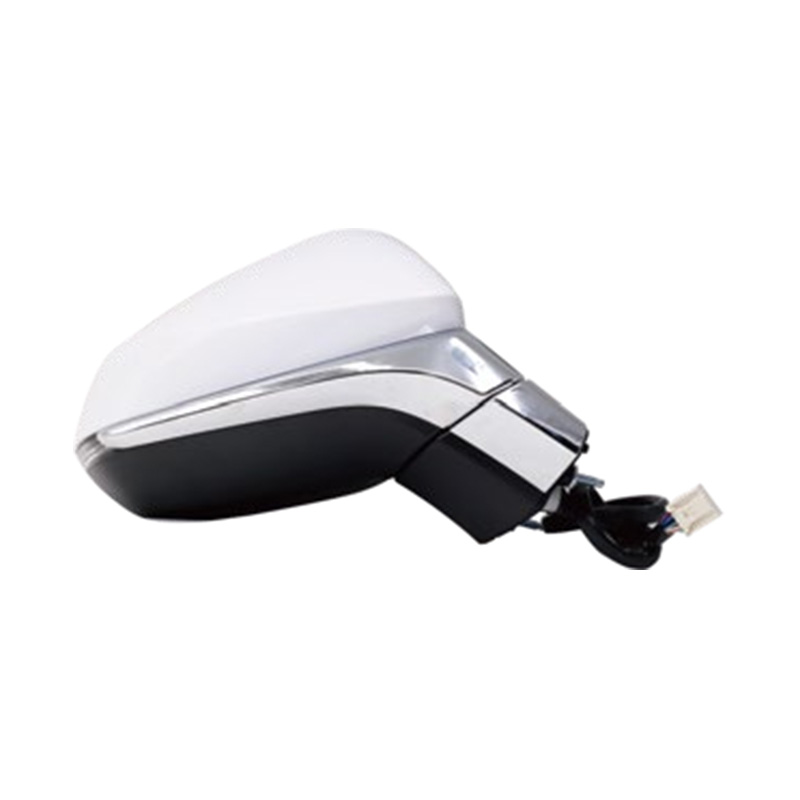
Proper surface preparation determines adhesive bond strength and mirror longevity. Inadequate cleaning causes 80% of premature mirror failures, with mirrors detaching within weeks or months instead of lasting years.
If replacing the mounting button, completely remove old adhesive from the windshield using a razor blade at a shallow angle to avoid scratching the glass. Hold the blade at 30-45 degrees and use short, controlled strokes applying moderate pressure to scrape away adhesive residue. Work slowly to prevent gouging the glass or leaving scratches that weaken the windshield structure. Stubborn adhesive responds to adhesive remover chemicals, though these require 5-10 minute dwell time and thorough cleaning afterward to prevent contaminating new adhesive.
After removing old adhesive, clean the mounting area with 90% or higher isopropyl alcohol using a clean microfiber cloth. Wipe the surface in one direction rather than circular motions to avoid redistributing contaminants, and use a fresh section of cloth for each pass. Allow the alcohol to evaporate completely (typically 1-2 minutes) before proceeding. Avoid touching the cleaned surface with bare hands, as skin oils compromise adhesion. Some adhesive kits include pre-moistened prep pads that combine cleaning and primer application in one step.
Windshield temperature should range between 50-100°F for optimal adhesive curing, with 70-85°F providing ideal conditions. Cold windshields prevent proper adhesive flow and bonding, while excessive heat causes premature curing before achieving full contact. In cold weather, park in heated garages or use a hair dryer to warm the glass to appropriate temperature. In extreme heat, work in shade or during cooler parts of the day to prevent adhesive from setting before proper positioning.
Correct installation ensures secure mounting and proper mirror positioning for optimal rear visibility. Taking time to position the mount accurately prevents having to restart the process after adhesive cures in the wrong location.
Two-part adhesive kits require mixing the epoxy resin and hardener according to package instructions, typically in equal proportions. Apply adhesive to both the mounting button and windshield surface, using enough to create complete coverage without excess that squeezes out during attachment. Most kits recommend a layer approximately 1-2mm thick. Some modern adhesives come pre-applied to replacement buttons, requiring only activator spray on the windshield before installation.
Mark the mounting location before applying adhesive using tape or a grease pencil, aligning with the original position or factory markings on the windshield. Press the button firmly against the windshield with 10-15 pounds of pressure, hold for 30-60 seconds, then secure with masking tape from the button to the dashboard to maintain pressure during curing. Ensure the button sits perfectly perpendicular to the windshield without tilting, as angled mounts cause mirror adjustment difficulties. Wipe away any adhesive that squeezes out immediately using alcohol before it cures.
Most adhesives achieve handling strength in 15-30 minutes but require 24 hours to reach full curing and maximum bond strength. Avoid attaching the mirror or driving the vehicle during this period, as vibration and stress can compromise the bond. Temperature affects curing time significantly; adhesives may cure in 10 minutes at 90°F but require 4-6 hours at 50°F. Humidity above 70% can extend curing times by 20-40%. Consult specific product instructions for exact timing based on environmental conditions.
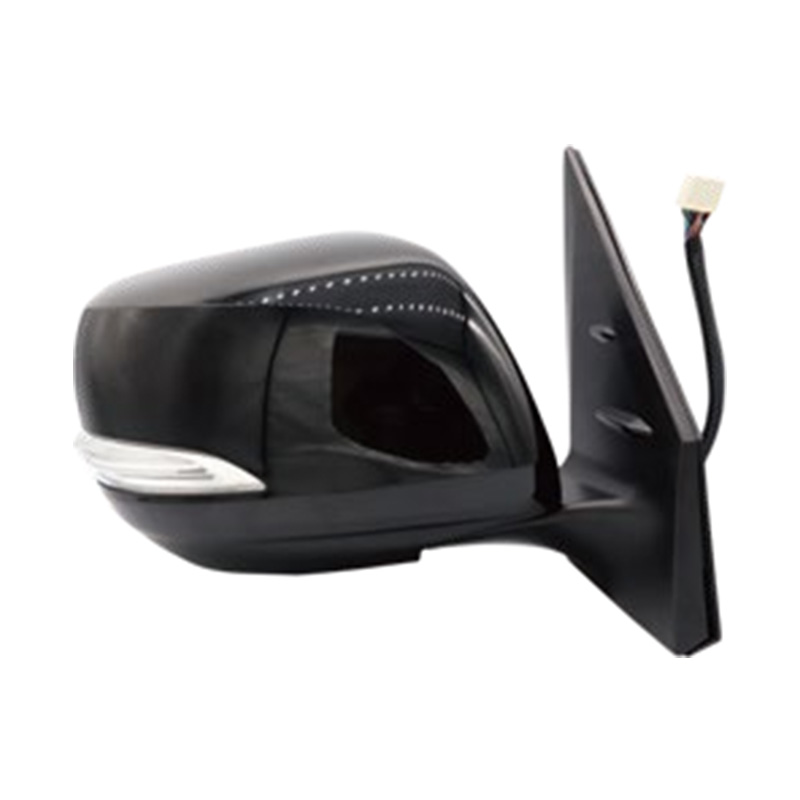
After adhesive fully cures, attach the mirror by reversing the removal process. For set screw mounts, slide the mirror bracket onto the button, align properly, and tighten the set screw with moderate torque. Over-tightening set screws can crack plastic components; snug resistance indicates sufficient tightness without requiring excessive force. Spring clip systems require aligning the mirror bracket with the mount and pressing firmly until clips engage with an audible click. Test security by gently pulling downward on the mirror; properly installed mirrors resist 15-20 pounds of downward force without releasing.
Electronic mirrors require careful wiring reconnection to restore auto-dimming, displays, and integrated features. Incorrect connections can damage sensitive electronics or create short circuits that blow fuses and disable other vehicle systems.
Route wiring through the mirror stem or mounting bracket according to the original configuration. Connectors typically feature keying that prevents backwards installation, but forcing misaligned connectors damages pins and sockets. Align connector housings carefully and press together firmly until achieving a positive click indicating full engagement. Verify no pins remain bent or exposed after connection. Some mirrors use multiple connectors for different functions; label these during removal to ensure correct reconnection.
Reconnect the battery and start the vehicle to test all mirror functions before completing installation. Verify auto-dimming operation by shining a flashlight at the mirror from behind, compass accuracy if equipped, temperature display correctness, and HomeLink programming retention. Some vehicles require recalibration of compass bearings after mirror replacement, following procedures in the owner's manual. Non-functioning features suggest loose connections or damaged wiring requiring inspection and reseating of connectors.
Learning from typical errors prevents frustration and ensures successful replacement on the first attempt.
Standard super glue or construction adhesives fail under thermal cycling and vibration stress that automotive applications encounter, causing mirror detachment within days or weeks. Only use adhesives specifically formulated for automotive glass bonding, which incorporate flexible compounds that accommodate temperature changes from -40°F to 180°F without losing bond strength. Generic adhesives also lack the activators needed for bonding to modern windshield coatings including rain-sensing technology and infrared reflection layers.
Skipping thorough cleaning or using low-concentration alcohol (70% or less) leaves contaminants that prevent chemical bonding. Adhesive bonds require molecularly clean surfaces; even invisible oils from fingerprints reduce bond strength by 40-60%. Water-based cleaners leave residues that interfere with adhesive curing. Always use 90%+ isopropyl alcohol or adhesive manufacturer's supplied prep solutions, allowing complete evaporation before adhesive application.
Attaching the mirror before adhesive fully cures or driving during the curing period subjects the bond to stress before achieving full strength. Premature loading causes micro-separations in the adhesive layer that progressively worsen with vibration, leading to failure within 500-2000 miles of driving. Even adhesives claiming 15-minute cure times benefit from 24-hour full curing before subjecting to vehicle operation and mirror weight. Plan replacement timing to allow overnight curing for maximum reliability.
Mounting the button too high, low, or offset from the original position creates blind spots or blocks driver vision. Factory mirror positions undergo extensive visibility optimization and regulatory compliance testing; deviating by more than 1-2 inches compromises safety. Use the original mounting location indicated by adhesive residue outline or consult the vehicle service manual for exact positioning specifications. Some windshields include ceramic frit patterns or dots marking optimal placement.
Addressing problems during or after installation prevents repeated failures and ensures long-term reliability.
Immediate or early failure indicates contaminated surfaces, incorrect adhesive, insufficient curing time, or extreme temperatures during installation. Remove the button completely, clean both surfaces with fresh alcohol, and restart the installation process with new adhesive. Verify windshield temperature falls within the adhesive's recommended range. If repeated failures occur, the windshield may have specialty coatings requiring professional installation or specific adhesive formulations designed for coated glass.
Non-functioning electronics suggest loose connections, incorrect connector orientation, or incompatible replacement mirror. Disconnect and reconnect all wiring harnesses, ensuring positive engagement clicks and no exposed pins. Check vehicle fuses related to mirror operation, as shorts during installation can blow protective fuses. Verify the replacement mirror matches the original part number if OEM, or confirms compatibility if aftermarket. Some vehicles use different mirror versions with identical appearance but incompatible electronics.
Excessive vibration indicates loose mounting hardware, improperly tightened set screws, or incompletely engaged spring clips. Remove and reinstall the mirror, ensuring set screws achieve proper tension or spring clips fully engage with audible confirmation. Some vibration is normal in larger mirrors or vehicles with rough idle, but the rear view should remain clearly visible at highway speeds. If vibration persists with secure mounting, the replacement mirror may have poor quality control or incorrect weight distribution requiring exchange for a different unit.
Certain situations warrant professional installation despite the DIY-friendly nature of mirror replacement. Glass shops and auto upholstery specialists have specialized tools, controlled environment facilities, and experience with difficult installations that justify their $50-$150 service fees.
Modern windshields with rain-sensing technology, heads-up display compatibility, or solar heat rejection coatings require specialized adhesives and surface preparation. These coatings contain metallic or chemical layers that interfere with standard adhesive bonding, requiring professional-grade primers and activators. Attempting DIY installation on coated glass often results in repeated failures or coating damage. Professionals stock coating-specific adhesives and have application experience ensuring first-time success.
High-end vehicles with camera-integrated mirrors, digital displays, or advanced driver assistance systems require specialized programming and calibration after replacement. These systems need dealer-level diagnostic tools to recalibrate cameras, update software, and verify proper system integration. Incorrect installation can disable safety features including lane departure warnings, automatic emergency braking, and adaptive cruise control. Professional installation includes necessary programming and certification that systems function correctly.
If mirror replacement fails twice despite following proper procedures, underlying issues require professional diagnosis. Problems may include windshield replacement with incorrect glass specification, structural damage affecting mounting area rigidity, or thermal stress cracks compromising adhesive bonding. Professionals can identify and address root causes that aren't apparent to DIY installers, preventing endless replacement cycles. The cost of repeated failed attempts often exceeds professional installation fees when factoring in wasted materials and time.


[Auto Accessories][email protected]
[Auto Parts][email protected]

+86-0571-26238568

Kangxin Road, Tangqi Town, Linping District, Hangzhou , Zhejiang , China