English
 中文简体
中文简体
 русский
 Español
[Auto Accessories][email protected]
2026-02-19
Content
Auto side mirrors are constructed from several distinct materials working together as an integrated system. The primary components include specialized glass for the reflective surface, impact-resistant plastic polymers for the housing, aluminum or steel for internal brackets, and various electronic components for powered and heated mirrors. Each material serves specific functions related to durability, safety, weight reduction, and optical performance.
The reflective glass itself represents the most critical component, typically consisting of soda-lime glass measuring 2-4mm thick with aluminum, silver, or chromium coating applied to create the reflective surface. Modern mirrors increasingly incorporate multi-layer coatings including anti-glare films, hydrophobic treatments, and heating elements integrated directly into the glass structure. The housing materials have evolved from basic painted metals in older vehicles to advanced engineering thermoplastics that reduce weight by 40-60% while maintaining impact resistance and weatherability.
The reflective element that drivers rely on involves sophisticated materials science far beyond simple polished metal or basic glass mirrors.
Soda-lime glass accounts for approximately 90% of automotive mirror glass due to its optimal balance of clarity, durability, and manufacturing cost. This glass composition contains roughly 70% silica (silicon dioxide), 15% sodium oxide, and 10% calcium oxide with small amounts of other elements for specific properties. The glass undergoes tempering or chemical strengthening processes that increase impact resistance by 400-500% compared to standard annealed glass, crucial for surviving road debris impacts and minor collisions.
Some premium and performance vehicles utilize borosilicate glass for side mirrors, offering superior thermal shock resistance important in extreme climates. Borosilicate glass withstands temperature differentials up to 330°F without cracking, compared to 200°F for standard soda-lime glass. This becomes particularly valuable for heated mirrors that rapidly warm cold glass surfaces in winter conditions.
The reflective surface uses vacuum-deposited metal coatings applied to the rear surface of the glass. Aluminum coating provides 85-90% reflectivity and represents the most common automotive mirror coating due to excellent cost-to-performance ratio. The aluminum layer typically measures 50-100 nanometers thick, applied through physical vapor deposition in vacuum chambers at temperatures around 2000°F.
Premium mirrors increasingly use silver or chromium coatings offering 95-98% reflectivity for superior clarity and brightness. Silver-coated mirrors provide notably better visibility in low-light conditions but cost 30-50% more than aluminum-coated equivalents. The metal coating receives protective layers of copper and paint to prevent oxidation and corrosion from moisture exposure, as untreated aluminum or silver would degrade within months when exposed to humidity and temperature cycling.
Modern mirrors incorporate additional glass treatments for enhanced functionality:
The protective housing that encloses the mirror mechanism and glass must withstand extreme environmental conditions while maintaining structural integrity and aesthetic appearance.
Polypropylene (PP) and acrylonitrile butadiene styrene (ABS) constitute the primary housing materials for 80-85% of modern side mirrors. These engineering thermoplastics offer exceptional impact resistance, UV stability, and chemical resistance while weighing 50-60% less than equivalent metal housings. Polypropylene's flexibility provides advantage in minor collision situations, allowing the housing to deform and recover without cracking.
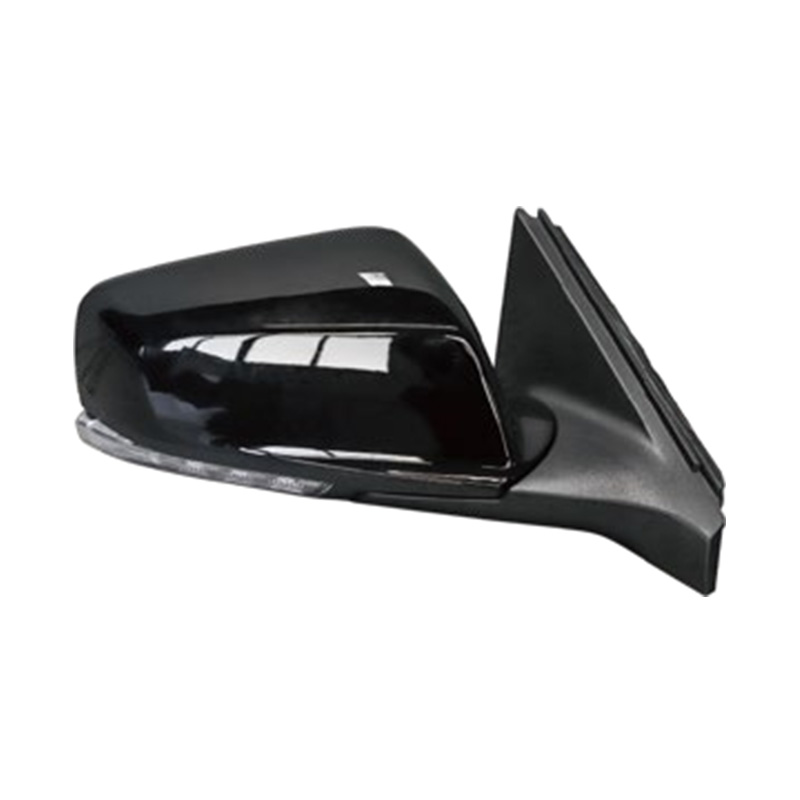
ABS plastic delivers superior surface finish quality and paint adhesion, making it preferred for visible housing covers where appearance matters. Glass-fiber reinforced variations increase tensile strength by 200-300%, allowing thinner walls that reduce material usage by 15-20% while maintaining structural requirements. The injection molding process for these plastics allows complex geometries incorporating mounting points, wire routing channels, and adjustment mechanisms in single components, reducing assembly complexity and cost.
Luxury and performance vehicles sometimes employ alternative materials for specific benefits. Carbon fiber housings reduce weight by an additional 40-50% compared to reinforced plastics while providing distinctive appearance and superior rigidity. These specialty housings cost 5-10 times more than standard plastic equivalents, limiting use to high-end applications where weight reduction or aesthetics justify the premium.
Some manufacturers utilize polycarbonate (PC) for housing components requiring exceptional impact resistance or optical clarity for integrated turn signal lenses. Polycarbonate offers impact strength 200 times greater than glass and 30 times greater than acrylic, though its higher cost restricts use to specific high-stress components rather than entire housings.
Housing plastics receive various surface treatments to enhance durability and appearance. Automotive-grade paint systems include primer, base coat, and clear coat layers totaling 80-120 micrometers thickness. The clear coat contains UV inhibitors that prevent plastic degradation and color fading, maintaining appearance for 7-10 years under normal conditions. Chrome-look finishes use vacuum metallization applying thin aluminum layers followed by protective clear coats, replicating metal appearance at fraction of the weight and cost.
| Material | Density (g/cm³) | Impact Strength | Primary Use |
|---|---|---|---|
| Polypropylene (PP) | 0.90-0.91 | High flexibility | Economy vehicle housings |
| ABS Plastic | 1.04-1.07 | Excellent rigidity | Mid-range housings |
| Polycarbonate (PC) | 1.20-1.22 | Extreme impact resistance | Signal lenses, high-stress parts |
| Carbon Fiber | 1.50-1.60 | High strength-to-weight | Performance/luxury vehicles |
| Aluminum (for comparison) | 2.70 | Moderate | Legacy housings (pre-1990s) |
Hidden within the housing, various metal and plastic components provide structural support, adjustment mechanisms, and mounting capabilities.
Steel or aluminum brackets connect the mirror assembly to the vehicle door, requiring tensile strength of 800-1200 MPa to withstand aerodynamic loads at highway speeds. These brackets typically use stamped steel with zinc coating or die-cast aluminum alloys, incorporating ball joints or pivot points allowing the mirror to fold inward when struck. The folding mechanism protects both the mirror and pedestrians during low-speed contact, required by safety regulations in many markets.
Power-folding mirrors incorporate electric motors (typically 12-volt DC motors drawing 2-4 amperes) with gear reduction mechanisms providing 50:1 to 100:1 reduction ratios. These motors generate 5-8 Newton-meters of torque, sufficient to fold a mirror assembly weighing 0.5-1.5 kg against wind resistance. The motor housings use glass-filled nylon or similar engineering plastics providing dimensional stability and electrical insulation.
Manual adjustment mirrors employ ball-and-socket joints manufactured from acetal (polyoxymethylene/POM) plastic offering low friction and high wear resistance. The ball joint allows approximately 20-25 degrees of adjustment in both horizontal and vertical planes while maintaining position under vibration through precisely controlled friction torque of 0.3-0.8 Newton-meters. Cable-operated manual adjustment uses braided steel cables in plastic housing, similar to bicycle brake cables but sized for lower force requirements.
Power adjustment systems utilize two small electric motors (one for horizontal, one for vertical movement) operating worm gears that drive the mirror positioning mechanism. These motors produce 0.5-1.2 Newton-meters torque at 100-200 RPM, achieving full range mirror adjustment in 3-5 seconds. The gear assemblies use lubricated plastic gears that operate maintenance-free for the vehicle's lifetime, typically rated for 50,000-100,000 adjustment cycles.
The glass mirror element attaches to a backing plate providing structural support and mounting interface. These plates use either stamped steel (0.6-1.0mm thickness) or reinforced ABS plastic, with adhesive tape or clips securing the glass to the plate. Heated mirrors integrate resistance heating elements (consuming 10-15 watts) between the glass and backing plate, typically using printed circuit techniques depositing conductive traces directly onto the glass rear surface or embedding resistance wire in flexible silicone sheets.
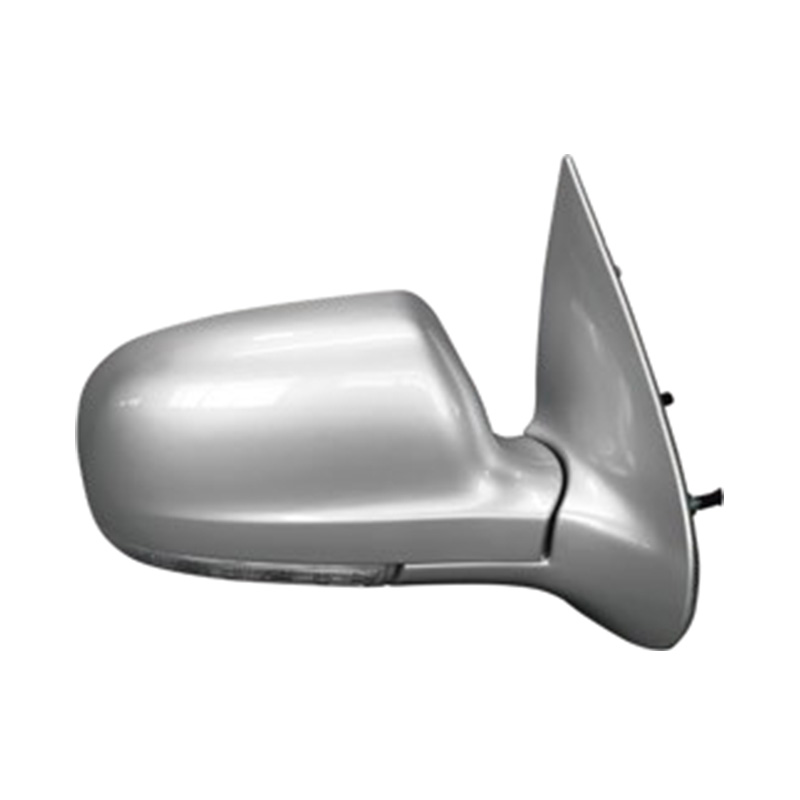
Modern side mirrors incorporate increasingly sophisticated electronics providing features beyond basic reflection.
Mirror defrosting systems use resistance heating consuming 10-20 watts per mirror, generating enough heat to melt ice and evaporate condensation within 3-5 minutes. The heating elements consist of thin metallic traces (typically copper, tungsten, or nichrome alloy) applied to flexible substrates or directly screen-printed onto the glass rear surface. Operating voltage matches the vehicle electrical system (12V for cars, 24V for trucks) with resistance values calculated to produce optimal heating without exceeding glass thermal limits.
Advanced systems incorporate thermostatic control preventing overheating and reducing power consumption once the mirror reaches operating temperature. Temperature sensors use negative temperature coefficient (NTC) thermistors that increase resistance as temperature rises, automatically cycling power on and off to maintain 50-70°F above ambient temperature. This prevents thermal shock to the glass while ensuring continuous ice and fog prevention.
Integrated turn signal indicators use LED (light-emitting diode) technology in 95% of modern applications, replacing earlier incandescent bulbs. LED arrays typically contain 6-12 individual diodes producing 400-800 lumens total output with amber or white light (depending on regulations). The LEDs mount on printed circuit boards within the mirror housing, visible through transparent or translucent polycarbonate lenses forming part of the housing exterior.
LED advantages include 50,000-100,000 hour lifespan (essentially maintenance-free for vehicle life), instant illumination with no warm-up delay, and power consumption of 3-5 watts compared to 21-25 watts for equivalent incandescent bulbs. The reduced heat generation allows using plastic housings and lenses that would degrade under incandescent bulb temperatures exceeding 200°F.
Electrochromic auto-dimming mirrors contain multiple layers of material between two pieces of glass creating a sandwich structure. The active layer uses electrochromic gel or polymer that changes from transparent to dark blue when 1.2-1.5 volts DC is applied, reducing reflectivity from 85% to 5-10% within 3-8 seconds. Forward-facing and rear-facing light sensors detect headlight glare, triggering the dimming response automatically.
The electrochromic layer typically consists of tungsten oxide or similar transition metal oxides suspended in polymer electrolyte between transparent conductive coatings (indium tin oxide). This multi-layer construction adds 2-3mm to mirror thickness and increases manufacturing cost by 300-400% compared to standard mirrors, but eliminates manual dimming switches and provides graduated dimming matching glare intensity rather than simple on/off operation.
Joining the various components requires specialized adhesives and mechanical fasteners engineered for automotive environmental conditions.
Two-part epoxy adhesives bond mirror glass to backing plates, curing to tensile strengths of 20-30 MPa and maintaining bond integrity across temperature ranges from -40°F to 180°F. These adhesives must accommodate thermal expansion differences between glass (coefficient of 9×10⁻⁶ per °C) and plastic or metal backing plates (15-25×10⁻⁶ per °C) without delaminating. Flexible adhesive formulations absorb differential expansion preventing stress concentration that could crack the glass.
Pressure-sensitive adhesive (PSA) tapes increasingly replace liquid adhesives for certain applications, offering instant bonding without curing time. Acrylic foam tapes 0.5-1.5mm thick provide gap-filling capability while maintaining bond strength of 15-25 N/cm² width. These tapes also dampen vibration transmission between components, reducing buzzing or rattling noises.
Housing assembly primarily uses snap-fit joints molded into plastic components, eliminating separate fasteners for cost reduction. Cantilever snap joints designed with 0.5-2mm deflection allow assembly while maintaining 15-30 Newton retention force. For applications requiring disassembly (service or adjustment access), self-tapping screws or threaded inserts provide reusable attachment points.
Mounting to the vehicle door typically employs M6 or M8 bolts securing through reinforced areas of the door structure. These fasteners require 15-25 Newton-meter tightening torque providing secure attachment while allowing controlled breakaway in severe impact to prevent door damage. Thread-locking compounds prevent vibration loosening without requiring lock washers or lock nuts.
Exterior mirrors face harsh conditions including temperature extremes, UV radiation, moisture, road chemicals, and physical impacts requiring comprehensive protection strategies.
EPDM (ethylene propylene diene monomer) rubber gaskets seal housing joints preventing water intrusion into electronic components, with compression set resistance maintaining seal integrity after 10+ years of service. These gaskets use shore A hardness ratings of 50-70, providing sufficient compression to seal gaps while avoiding excessive assembly force that could distort plastic housings.
Silicone sealant applied at critical joints provides secondary moisture barriers, particularly around electrical connections and glass-to-housing interfaces. Automotive-grade silicone maintains flexibility from -60°F to 400°F and adheres to diverse materials including glass, plastic, and metal without requiring primers. The sealant cures through moisture exposure, reaching handling strength in 15-30 minutes and full cure in 24-48 hours.
Metal components receive multi-layer corrosion protection starting with zinc plating (8-12 micrometers thickness) followed by chromate conversion coating and powder coat or e-coat paint. This protection system withstands 1000+ hours in salt spray testing (ASTM B117) without red rust formation, exceeding typical vehicle service life exposure in most climates. Stainless steel fasteners eliminate corrosion concerns but cost 3-5 times more than coated steel equivalents.
Plastic housings incorporate UV stabilizers (typically benzotriazole or hindered amine light stabilizers) at 0.5-2% concentration preventing polymer chain degradation from ultraviolet radiation. Without UV protection, exterior plastics would become brittle and discolored within 2-3 years of sun exposure; stabilized materials maintain properties for 10-15 years. Clear coats on painted surfaces also contain UV absorbers protecting both the coating and underlying base coat from photodegradation.
Emerging technologies introduce new materials and capabilities to automotive side mirror systems.
Digital mirror systems replacing glass mirrors with cameras use weather-sealed camera modules with optical-grade polycarbonate or glass lenses, image sensors (CMOS technology), and digital signal processors packaged in IP67-rated enclosures. These systems eliminate traditional glass mirrors entirely, reducing aerodynamic drag by 3-5% and improving fuel efficiency. The camera lenses require specialized anti-reflective coatings reducing internal reflections and lens flare that would compromise image quality.
Experimental applications incorporate transparent OLED displays overlay information directly on mirror glass, showing blind spot warnings, navigation arrows, or vehicle status information. These displays use organic light-emitting materials deposited on flexible transparent substrates, achieving 70-80% transparency when inactive while providing 500-1000 nits brightness when displaying information. Current limitations include high cost (5-10× conventional mirrors) and durability concerns with organic materials degrading under UV and moisture exposure.
Environmental considerations drive research into bio-based and recycled materials. Polypropylene housings now incorporate 10-25% recycled content without compromising mechanical properties, while experimental bio-based plastics derived from plant oils show promise for future applications. Glass recycling programs recover broken mirror glass for remelting, though the reflective coatings require removal through chemical processing before recycling. Industry targets include achieving 85% recyclability by weight for complete mirror assemblies by 2030.
Understanding materials is incomplete without recognizing how manufacturing processes affect final properties and performance.
Float glass production creates continuous ribbons of molten glass floating on molten tin, achieving perfectly flat surfaces with thickness controlled to ±0.1mm tolerances. After cooling, automated cutting systems separate individual mirror blanks, which undergo edge grinding to prevent sharp edges and reduce stress concentrations. The glass then enters vacuum coating chambers where aluminum or silver deposition occurs, followed by protective coating application and quality inspection using photometric measurement verifying reflectivity meets 85-95% specifications.
Housing production uses injection molding machines with clamping forces of 150-500 tons, injecting molten plastic at 400-500°F into precision molds. Cycle times of 30-90 seconds produce complete housings, with mold cooling systems controlling solidification to prevent warping or sink marks. Multi-cavity molds allow simultaneous production of 2-8 housings per cycle, achieving production rates of 100-300 units per hour per machine. Automated inspection systems verify dimensional accuracy within ±0.2mm tolerances and detect cosmetic defects including flash, short shots, or surface blemishes.
Automated assembly lines combine components using robotic adhesive application, automated screw driving, and vision systems verifying correct component placement. Completed assemblies undergo functional testing including power adjustment operation, heating element current draw, turn signal illumination, and vibration testing simulating 100,000 miles of road exposure. Environmental testing subjects random samples to temperature cycling (-40°F to 180°F), humidity exposure (95% RH at 140°F for 1000 hours), and salt spray exposure validating corrosion protection before production approval.


[Auto Accessories][email protected]
[Auto Parts][email protected]

+86-0571-26238568

Kangxin Road, Tangqi Town, Linping District, Hangzhou , Zhejiang , China