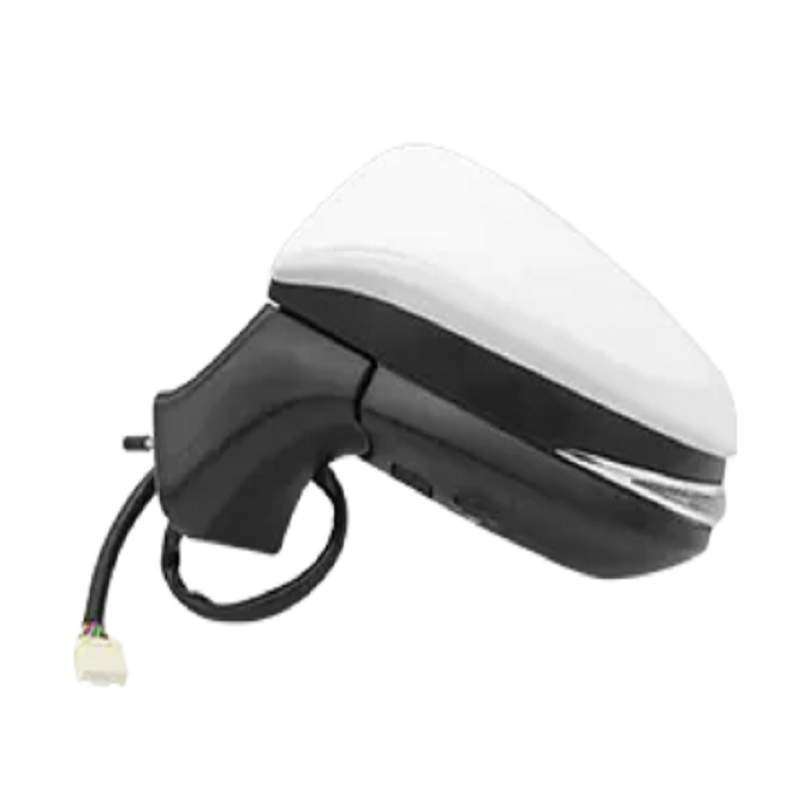
 Is Auto Side Mirror better than a traditional mirror?

Oct 01, 2025
In today’s automotive market, technology is rapidly transforming even the smallest components of a car, and side mirrors are no exception. Once simple reflective surfaces to help drivers see behind and beside their vehicles, side mirrors now come with a range of advanced features such as automatic folding, heating, blind-spot detection, and integrated cameras. But the question remains: is an auto side mirror truly better than a traditional mirror? To answer this, it’s essential to examine the benefits, limitations, and real-world applications of both options.
1. Understanding Auto Side Mirrors and Traditional Mirrors
Traditional side mirrors are simple, manually adjustable mirrors attached to the exterior of a car. Their primary function is to provide a clear view of the lanes and traffic beside the vehicle. These mirrors are generally low-cost, durable, and easy to replace.
Auto side mirrors, on the other hand, incorporate technology to enhance safety and convenience. Common features include automatic folding when the car is parked, heating elements to prevent fogging or icing, power-adjustable angles controlled from inside the vehicle, and even integrated cameras that work with advanced driver-assistance systems (ADAS) to reduce blind spots. Some high-end models offer sensors that detect nearby objects or vehicles and alert the driver through visual or audio warnings.
2. Safety Advantages
One of the most significant advantages of auto side mirrors is improved safety. Many traditional mirrors have blind spots that can hide other vehicles or pedestrians, increasing the risk of collisions during lane changes or turns. Auto side mirrors with blind-spot monitoring or integrated cameras provide real-time alerts, helping drivers avoid accidents. Additionally, heated auto mirrors reduce fogging in cold or rainy conditions, ensuring the driver always has a clear view, which is especially valuable in regions with harsh weather.
3. Convenience and User Experience
Auto side mirrors also excel in terms of convenience. Power-adjustable mirrors allow drivers to fine-tune the mirror angle with the push of a button, eliminating the need for manual adjustments that can be cumbersome and time-consuming. Automatic folding mirrors protect the mirror housing in tight parking spaces or narrow streets, which is especially useful in urban areas. Traditional mirrors lack these conveniences, often requiring drivers to manually fold or adjust them, which may be inconvenient and sometimes unsafe if done while the vehicle is in motion.
4. Cost Considerations
While auto side mirrors provide numerous advantages, they come at a higher cost. The initial purchase price and potential repair expenses are typically higher than traditional mirrors. For instance, if an auto side mirror with integrated sensors or cameras is damaged in an accident, replacing it can be significantly more expensive than replacing a standard mirror. Drivers must weigh the benefits of enhanced safety and convenience against these potential costs.
5. Durability and Maintenance
Traditional mirrors are generally more durable due to their simpler construction. They are less likely to fail mechanically since there are no electronic components. Auto mirrors, however, include motors, heating elements, and sometimes cameras, all of which are susceptible to wear, electrical issues, or damage from extreme weather. Maintenance may require specialized service, adding complexity to routine car upkeep.
6. Future-Proofing and Technology Integration
One of the strongest arguments for auto side mirrors is their compatibility with modern vehicle technology. As cars move toward semi-autonomous or fully autonomous driving, traditional mirrors may become less effective. Auto mirrors, particularly those with cameras or sensors, can integrate directly with driver-assistance systems, adaptive cruise control, and lane-keeping technology. In this sense, auto mirrors offer a form of future-proofing, making them more suitable for modern and upcoming automotive innovations.
7. Conclusion
In conclusion, auto side mirrors provide significant benefits in terms of safety, convenience, and technological integration. They can reduce blind spots, improve visibility in adverse weather, and simplify mirror adjustments and parking. However, these advantages come at a higher cost and slightly increased maintenance requirements. Traditional mirrors remain a reliable, low-cost option, ideal for budget-conscious drivers or vehicles where advanced features are unnecessary.
Ultimately, whether an auto side mirror is better than a traditional mirror depends on a driver’s priorities. If safety, convenience, and integration with modern vehicle systems are important, auto mirrors are clearly superior. For those seeking simplicity, durability, and affordability, traditional mirrors still serve their purpose effectively.
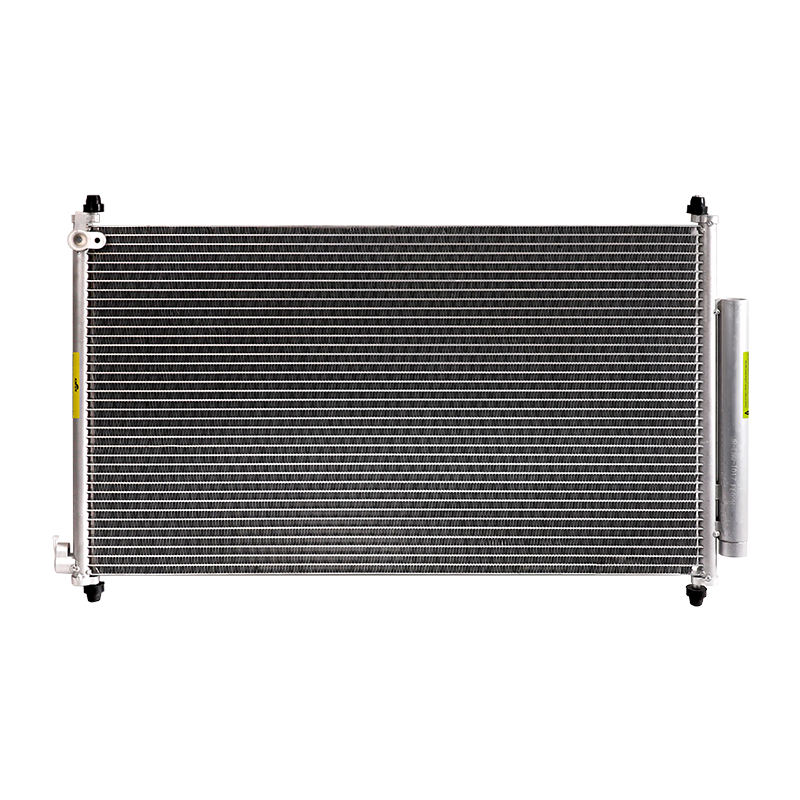 What does an HVAC Auto Condenser do?
Sep 22, 2025
An HVAC auto condenser is one of the most critical components in a vehicle’s air conditioning system. Although often overlooked by car owners, it plays a fundamental role in keeping the cabin cool and maintaining the efficiency of the air conditioning system. Understanding its function and operation is essential for anyone interested in automotive maintenance, HVAC technology, or vehicle performance.
The primary function of an HVAC auto condenser is to convert high-pressure refrigerant gas from the compressor into a liquid form. This process is essential in the air conditioning cycle because the refrigerant must be in liquid form before it can evaporate in the evaporator coil and absorb heat from the cabin air.
The HVAC auto condenser works as part of a closed-loop system that includes the compressor, evaporator, receiver/dryer, expansion valve, and associated piping. The working principle is as follows:
This cycle repeats continuously when the air conditioning system is running, maintaining a comfortable cabin temperature.
Automotive condensers come in several types, designed to suit different vehicles and system requirements:
Each type affects how quickly heat is rejected and how efficiently the air conditioning system operates.
The condenser is not just a passive component—it directly impacts vehicle performance and comfort:
Like any automotive component, condensers can experience problems if not properly maintained:
Maintenance Tips:
An HVAC auto condenser is a vital component in a vehicle’s air conditioning system, responsible for transforming high-pressure refrigerant gas into liquid and rejecting heat to the outside environment. Its proper function ensures cabin comfort, protects the compressor, enhances fuel efficiency, and extends the life of the air conditioning system.
Understanding the role of the condenser helps drivers and technicians maintain optimal system performance. Regular inspection, cleaning, and timely replacement when necessary ensure that the air conditioning system remains reliable, efficient, and capable of providing a cool, comfortable environment even in extreme weather conditions.

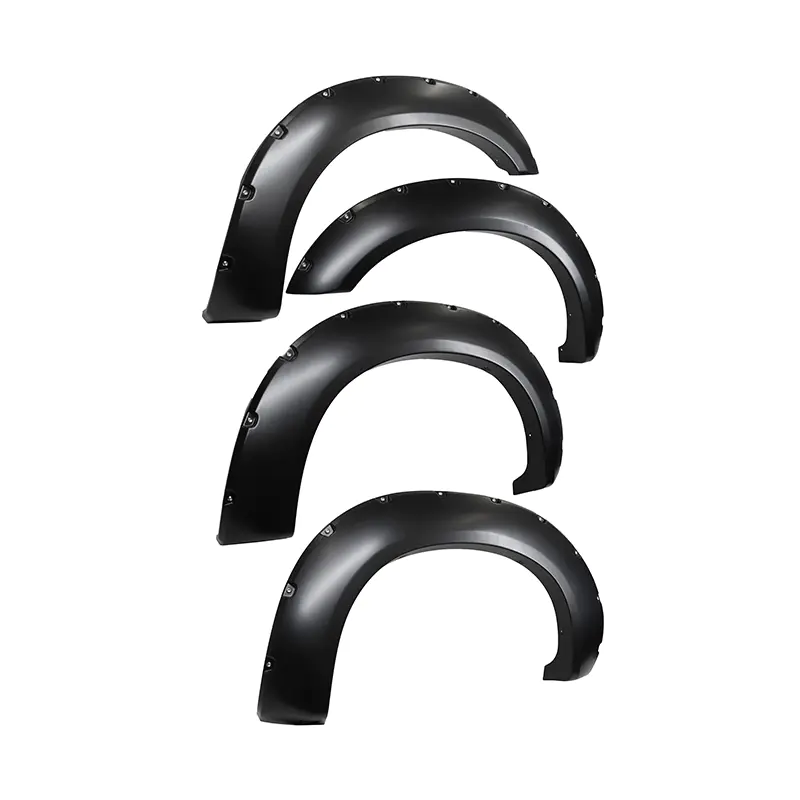 Do Fender Flares require regular maintenance?
Sep 18, 2025
Fender flares are popular aftermarket and OEM automotive accessories designed to extend the wheel well coverage of vehicles. They provide both functional and aesthetic benefits by protecting the vehicle’s body from mud, debris, and road spray, while also enhancing its rugged appearance. A common question among car owners is: Do fender flares require regular maintenance? The answer is yes, and proper care ensures long-lasting performance, appearance, and protection.
Fender flares are exposed to harsh environmental conditions, including rain, snow, dirt, rocks, and UV rays. Over time, these factors can cause fading, cracking, or loosening of the flares. Regular maintenance helps:
Even high-quality ABS plastic, polyurethane, or fiberglass fender flares benefit from consistent cleaning and inspection.
Proper cleaning is the most fundamental form of maintenance. Recommended steps include:
Regular Washing
Wash fender flares along with the rest of the vehicle using mild soap and water. Avoid harsh chemicals that could degrade the plastic or paint.
Removing Debris
Check for stuck mud, gravel, or road salt, which can cause scratches, corrosion on mounting hardware, or surface damage.
Polishing and Protecting
Some fender flares, especially painted or coated models, can be polished to restore shine. Applying a UV protectant or automotive wax prevents fading and oxidation caused by sun exposure.
Fender flares are typically secured with screws, bolts, or clips. Over time, vibrations and road conditions may loosen these fasteners. Regular inspection helps:
For aftermarket flares that use adhesive or double-sided tape, inspect adhesion periodically and replace if peeling occurs.
Maintenance frequency depends on the vehicle’s usage and environment:
By avoiding these mistakes and following a simple maintenance routine, fender flares can maintain functionality and appearance for years.
So, do fender flares require regular maintenance? Absolutely. While they are durable accessories, exposure to environmental factors and regular vehicle use makes maintenance essential. Proper care involves regular cleaning, inspection of hardware and seals, UV protection, and prompt attention to damage or wear.
Maintaining fender flares ensures that they continue to protect the vehicle from mud, debris, and road spray while preserving their aesthetic appeal. Whether for daily commuting, off-road adventures, or long-term vehicle preservation, regular maintenance is key to extending the lifespan and effectiveness of fender flares.
In summary, routine care of fender flares is a simple but essential practice. By following basic cleaning, inspection, and protective measures, car owners can enjoy the functional benefits and visual appeal of their fender flares for many years.
Why is Auto Side Mirror important?
Sep 10, 2025
When it comes to driving safety, most people immediately think of seat belts, airbags, or even brakes. While these features are essential, there’s another crucial component that often gets overlooked: the auto side mirror. Also known as the wing mirror, side-view mirror, or winglet, the side mirror plays a vital role in ensuring visibility, preventing accidents, and improving overall driving confidence. Understanding its importance can make drivers more aware of safety risks and help them utilize this simple yet powerful tool effectively.
The primary function of the auto side mirror is to extend the driver’s field of vision. While rearview mirrors show what is directly behind the vehicle, side mirrors allow drivers to see traffic coming from the side lanes, helping them monitor surrounding vehicles. This is especially important in multi-lane highways, during lane changes, or when merging onto busy roads.
Blind spots—areas that cannot be seen directly by the driver—are a significant cause of accidents. Properly adjusted side mirrors reduce blind spots and give drivers a better sense of nearby vehicles, bicycles, or pedestrians. In fact, many safety experts recommend slightly outward-adjusted mirrors to minimize blind spots as much as possible.
Lane changing and merging are common maneuvers where accidents frequently occur. Without side mirrors, a driver would have to rely solely on turning their head, which takes more time and reduces reaction speed. Side mirrors allow quick checks of adjacent lanes, helping drivers merge or change lanes safely.
Modern cars sometimes combine side mirrors with blind-spot monitoring systems, alerting the driver if another vehicle is approaching in a lane they intend to enter. This combination of visibility and technology highlights the mirror’s continued importance in vehicle safety.
Side mirrors are not only for moving traffic—they are essential for parking and reversing. Parallel parking, backing into tight spots, and navigating crowded parking lots all require accurate judgment of distance from curbs, walls, or other vehicles. Side mirrors give a clear view of the vehicle’s edges and help prevent scratches or collisions.
Some vehicles have additional features like integrated cameras, folding mirrors, or LED indicators that further improve visibility and precision while parking, but the basic side mirror remains the foundation of safe maneuvering.
Statistics show that a significant percentage of collisions occur due to drivers failing to see other vehicles in their blind spots or misjudging distances. A properly functioning side mirror reduces this risk by allowing drivers to:
In essence, side mirrors act as a critical early warning system, giving drivers time to react and prevent accidents.
Beyond safety, side mirrors enhance driver confidence. When a driver can easily see their surroundings, they are less stressed and can focus on making safe decisions. This psychological benefit is particularly important for new drivers, city traffic, or adverse weather conditions.
Heated side mirrors, often standard in colder regions, prevent fog or ice build-up, maintaining clear visibility during winter months. Similarly, power-adjustable and auto-dimming mirrors increase convenience and improve the overall driving experience.
In most countries, side mirrors are not optional—they are legally required. Driving without functioning side mirrors can lead to fines, failed vehicle inspections, or liability in the event of an accident. This legal requirement emphasizes the mirror’s importance not just as a convenience but as a safety-critical component recognized by traffic authorities worldwide.
Modern vehicles increasingly integrate side mirrors with advanced safety systems:
Despite these technological upgrades, the physical mirror itself remains indispensable. These features work best when the mirror is properly positioned and maintained.
To maximize safety, drivers should:
Neglecting these basic maintenance steps can compromise visibility, even in modern cars equipped with advanced safety features.
The auto side mirror may seem like a simple accessory, but its impact on driver safety, vehicle maneuvering, and accident prevention is enormous. From providing essential visibility to assisting in lane changes, parking, and even integrating with modern driver-assist technologies, side mirrors remain a cornerstone of road safety.
Investing in high-quality, properly adjusted, and well-maintained side mirrors is one of the easiest ways to enhance driving confidence, reduce accident risk, and comply with legal requirements. Whether it’s a heated mirror for frosty mornings or an auto-dimming mirror for night driving, the side mirror’s importance cannot be overstated. In short, a good mirror is more than a convenience—it’s a life-saving tool on the road.
How to clean the Auto Side Mirror to prevent fog and water?
Sep 04, 2025
Auto side mirrors play a crucial role in ensuring safe driving, providing a clear view of the road behind and beside your vehicle. However, during rainy or humid conditions, mirrors can easily fog up or accumulate water droplets, reducing visibility and increasing the risk of accidents. Proper cleaning and preventive measures can help maintain clear mirrors under all weather conditions. This guide explains step by step how to clean auto side mirrors and prevent fogging and water accumulation effectively.
1. Understanding the Causes of Fogging and Water Accumulation
Before cleaning, it is important to understand why side mirrors fog or gather water. Fogging occurs when moisture in the air condenses on the cold surface of the mirror, especially during humid weather or sudden temperature changes. Water droplets from rain or car washing can also cling to the mirror, distorting visibility. Additionally, dirt, oil residues, and road grime on the mirror surface can worsen fogging and water retention. Regular maintenance and cleaning prevent these problems.
2. Preparing the Necessary Cleaning Materials
To clean auto side mirrors effectively, you will need a few basic materials:
Microfiber cloths: Soft and non-abrasive to avoid scratching the mirror surface.
Glass cleaner: Preferably an ammonia-free solution suitable for car mirrors and windows.
Water: Clean tap water or distilled water.
Optional: Rubbing alcohol or vinegar for stubborn residues.
Anti-fog solution or coating (optional): Available in automotive stores for preventive treatment.
Having the right materials ensures the mirror is cleaned thoroughly and protected afterward.
3. Initial Cleaning Process
Start by removing loose dirt and dust from the mirror surface. Spray a small amount of water or glass cleaner onto the mirror. Using a microfiber cloth, gently wipe the surface in circular motions. Avoid using paper towels, which can leave lint or scratches. For stubborn grime, dampen the cloth with a mixture of water and a few drops of rubbing alcohol or vinegar. Wipe carefully until all dirt and residues are removed. This step is crucial because a clean surface allows anti-fog treatments to adhere better and ensures water droplets slide off more easily.
4. Drying the Mirror
After cleaning, dry the mirror completely with a dry microfiber cloth. Any leftover moisture can lead to new fogging or streaks. Make sure the edges and corners of the mirror are also dried, as these areas tend to retain water longer. Avoid using a hairdryer or excessive heat, which may damage the mirror or its electronics, especially if it is a heated or auto-folding mirror.
5. Applying Anti-Fog Solutions
To prevent fogging, applying an anti-fog solution or coating is highly effective. These products form a thin, transparent layer on the mirror surface that prevents condensation. Follow the instructions on the product: usually, you apply a few drops onto a clean microfiber cloth and spread it evenly over the mirror. Allow it to dry for a few minutes. Some anti-fog sprays can last for weeks, significantly improving visibility during humid or rainy conditions.
6. Preventing Water Accumulation
Water accumulation can be minimized by using water-repellent treatments, similar to those used for windshields. Products like rain-repellent sprays create a hydrophobic layer on the mirror surface, causing rainwater to bead and roll off quickly. Apply these treatments after cleaning and drying the mirror, ensuring a uniform coat. This is particularly useful in regions with heavy rainfall, as it reduces water streaks and enhances mirror clarity while driving.
7. Routine Maintenance
Regular maintenance is key to keeping side mirrors clear. Clean your mirrors at least once a week, or more frequently if you drive in rainy, dusty, or snowy conditions. Avoid harsh chemicals or abrasive materials that could damage the mirror’s surface or protective coatings. Inspect the mirrors for scratches or damages, as these areas are more prone to fogging and water retention. If your car has heated mirrors, ensure the heating function is working properly, as this feature can also prevent fog accumulation during cold weather.
8. Additional Tips
Parking your car in a garage or shaded area reduces temperature fluctuations that cause fogging.
Wipe mirrors with a dry cloth immediately after rain or car washing.
Avoid using household glass cleaners with ammonia on coated or tinted mirrors, as this may damage the coating.
For quick fixes, a thin layer of shaving cream rubbed on the mirror and wiped clean can temporarily prevent fogging.
Cleaning auto side mirrors and taking preventive measures against fogging and water accumulation is simple but essential for safe driving. By using proper cleaning techniques, drying thoroughly, applying anti-fog or water-repellent treatments, and performing regular maintenance, drivers can ensure their side mirrors remain clear under all weather conditions. Consistent care not only improves visibility but also prolongs the life of the mirrors and maintains the vehicle’s overall appearance. Following these steps helps create a safer and more comfortable driving experience in rain, fog, or humidity.
How durable is the Auto Side Mirror?
Aug 29, 2025
Auto side mirrors, also known as side-view mirrors, are essential components of any vehicle, providing drivers with critical visibility to the sides and rear. Beyond functionality, durability is a key consideration for both manufacturers and car owners. Understanding the factors that affect side mirror longevity helps ensure safety, reduces maintenance costs, and prolongs the mirror’s useful life.
1. Construction Materials
The durability of a side mirror begins with its materials. Most modern auto side mirrors are constructed from:
Mirror Glass: Typically tempered or laminated for impact resistance. Laminated glass prevents shattering into sharp fragments upon impact, enhancing safety.
Housing: Made from high-strength plastics, ABS, or reinforced polymers, often combined with metal brackets for structural support. The housing protects the glass from impacts, weather, and debris.
Frame and Mounting Components: Metal alloys or reinforced plastics secure the mirror to the car door, providing resistance to vibrations and minor collisions.
High-quality materials directly improve resistance to breakage, scratches, and warping.
2. Mechanical Durability
Auto side mirrors face regular stress from multiple sources:
Vibrations: Driving at high speeds or on uneven surfaces causes vibrations. Durable mirrors have reinforced mounts and adjustable joints that prevent loosening over time.
Folding Mechanisms: Many mirrors are foldable, either manually or electrically. Well-designed hinges and motors withstand repeated folding cycles, ensuring long-term reliability.
Adjustment Systems: Electric or manual adjustment mechanisms must endure frequent use without failure. Quality components reduce wear and maintain smooth operation.
Mechanical durability ensures that the mirror remains functional despite daily use and occasional minor impacts.
3. Environmental Resistance
Side mirrors are exposed to harsh environmental conditions that can affect durability:
Weather: Rain, snow, and sunlight can degrade materials over time. UV-resistant plastics and corrosion-resistant metals help maintain structural integrity.
Temperature Changes: Extreme heat or cold can cause expansion or contraction, potentially affecting housings or mounts. Durable mirrors are engineered to tolerate wide temperature ranges.
Debris and Minor Collisions: Mirrors may be struck by stones, branches, or other objects. Tough housings and tempered glass minimize damage.
Mirrors designed with environmental resistance in mind are more likely to last for years without significant wear.
4. Maintenance and Longevity
Proper care can further extend the life of auto side mirrors:
Clean the mirror regularly to prevent dirt or grime from scratching the glass.
Check for loose mounts or screws and tighten as needed.
Avoid excessive force when folding or adjusting manually.
Replace damaged components promptly to prevent further damage.
With routine maintenance, a high-quality side mirror can remain fully functional for 5–10 years or more, depending on driving conditions and usage.
The durability of an auto side mirror depends on its materials, mechanical design, environmental resistance, and proper maintenance. Modern side mirrors, made with tempered glass, reinforced housings, and reliable adjustment systems, are engineered to withstand daily wear, minor impacts, and harsh weather. While accidents and severe collisions may still damage mirrors, well-constructed and maintained side mirrors provide years of reliable performance, ensuring safety and convenience for drivers.
 Does the Tonneau Cover provide good protection against rain and dust?
Aug 20, 2025
Tonneau covers have become increasingly popular among truck owners and pickup enthusiasts, primarily for their ability to protect the cargo bed. One of the key considerations for anyone investing in a Tonneau cover is whether it offers reliable protection against environmental elements such as rain and dust. The answer depends on several factors, including the type of Tonneau cover, its materials, design, and installation quality.
1. Types of Tonneau Covers and Their Protective Capabilities
Tonneau covers come in a variety of designs, including soft roll-up, soft folding, hard folding, retractable, and one-piece hard covers. Each type provides a different level of protection against rain and dust.
Soft Tonneau Covers: These are typically made from vinyl or fabric materials stretched over a flexible frame. While soft covers can keep light rain and dust out of the truck bed, they may not provide complete protection in heavy rain or strong winds. The seams and edges of soft covers can allow water or fine dust particles to seep through, especially if the cover is not tightly secured.
Hard Folding and Hard One-Piece Covers: Constructed from aluminum, fiberglass, or hard plastic, these covers offer superior protection. The rigid structure forms a tight seal with the truck bed, preventing water and dust from entering. Hard covers are especially effective during heavy rainfall or dusty conditions, as they maintain their shape and resist deformation under pressure.
Retractable Covers: These covers slide open and closed along tracks, often featuring tight seals along the edges. Retractable Tonneau covers can provide excellent protection against rain and dust if properly maintained. However, the sliding mechanism requires regular cleaning to prevent dust accumulation that could compromise the seal over time.
2. Sealing and Weatherproofing
The protective performance of a Tonneau cover is not solely determined by its material; the sealing design is equally critical. Most high-quality covers are equipped with weather seals along the tailgate and side rails, creating a barrier against rainwater and dust intrusion. A well-fitted Tonneau cover can prevent water from pooling or leaking into the cargo area.
However, even the best Tonneau covers may allow minimal dust penetration during extremely windy conditions. Dust can enter through tiny gaps between the cover and the truck bed, but this is generally limited and far less than what would accumulate in an uncovered truck bed.
3. Drainage and Water Management
Some Tonneau covers are designed with integrated drainage channels that direct water away from the truck bed. This feature is particularly important during heavy rainfall, as it prevents water from seeping through the edges or pooling on top of the cover. Proper installation ensures that water flows naturally toward the tailgate and off the vehicle, minimizing any risk of leakage.
Soft covers, while less rigid, often have overlapping edges and tensioning systems to reduce water infiltration. While they may not be completely waterproof under extreme conditions, they are typically sufficient for light to moderate rain.
4. Dust Protection
In dusty environments, a Tonneau cover provides significant protection compared to an open truck bed. The cover acts as a physical barrier, preventing dust from settling directly onto cargo. Hard covers are especially effective because they maintain a snug fit and do not allow dust to penetrate through folds or fabric. Soft covers, while slightly more permeable, still reduce dust accumulation substantially, protecting items like tools, luggage, and groceries.
5. Practical Considerations
Even with a high-quality Tonneau cover, proper installation is essential to ensure maximum protection. Misaligned or loosely fitted covers can allow water and dust to enter. Regular inspection and maintenance, such as cleaning the seals and ensuring tensioning mechanisms are functioning, enhance the cover’s protective abilities.
Additionally, while Tonneau covers provide excellent protection against rain and dust, they do not make the truck bed completely airtight or watertight. Owners should still exercise caution when transporting sensitive or delicate items during severe weather conditions.
6. Advantages Over Uncovered Truck Beds
Comparatively, a truck bed without a cover is far more vulnerable to rain and dust. Water can accumulate quickly during rainstorms, potentially leading to rust, corrosion, and damage to cargo. Dust and debris can also accumulate rapidly, creating additional cleaning and maintenance challenges. A Tonneau cover mitigates these risks, extending the life of the truck bed and keeping cargo cleaner and drier.
A Tonneau cover does provide good protection against rain and dust, but the degree of protection depends on the type of cover, its materials, sealing, and installation quality. Hard covers and well-sealed retractable covers offer the highest level of protection, effectively keeping water and dust out even in adverse conditions. Soft covers, while slightly less protective under extreme conditions, still significantly reduce exposure to rain and dust compared to an uncovered truck bed. Proper installation and regular maintenance are crucial to ensuring optimal performance. Overall, for truck owners looking to protect their cargo from the elements, a Tonneau cover is a highly effective solution.
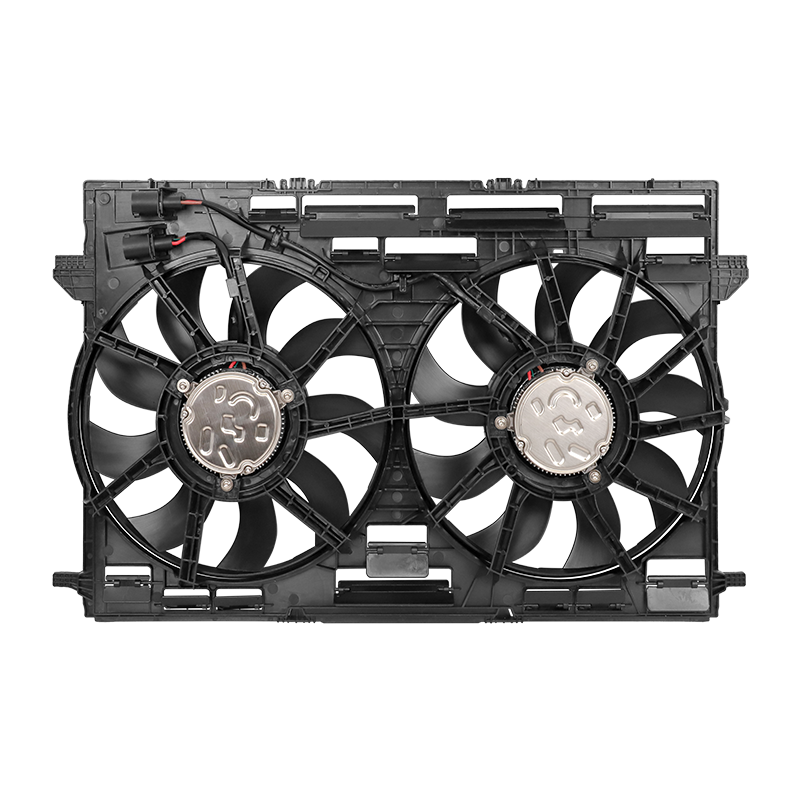 What is the function of HVAC Auto Engine Cooling Fan?
Aug 12, 2025
The HVAC auto engine cooling fan is an essential component in modern vehicles, playing a vital role in maintaining optimal engine temperature and ensuring efficient operation of the heating, ventilation, and air conditioning (HVAC) system. Understanding its function helps to appreciate how it contributes to vehicle performance, comfort, and longevity. This article explains the primary functions of the HVAC auto engine cooling fan and its significance in automotive systems.
1. Engine Temperature Regulation
The primary function of the engine cooling fan is to regulate the engine’s temperature by dissipating heat generated during combustion. As the engine runs, it produces a significant amount of heat that must be managed to prevent overheating, which can cause engine damage or failure.
The cooling fan draws air through the radiator, where coolant absorbs engine heat and releases it into the air. By increasing airflow, especially when the vehicle is stationary or moving slowly, the fan enhances heat dissipation, maintaining the engine within its optimal temperature range.
2. Supporting the HVAC System
The HVAC auto engine cooling fan also plays a crucial role in the vehicle’s climate control system. When the air conditioning is turned on, the condenser requires sufficient airflow to cool the refrigerant effectively. The cooling fan helps maintain this airflow by blowing air through the condenser, ensuring the HVAC system operates efficiently.
Without adequate cooling, the air conditioner’s performance can drop, leading to reduced cabin comfort. Therefore, the fan helps balance engine cooling needs with air conditioning demands.
3. Enhancing Fuel Efficiency and Emission Control
By maintaining the engine at the correct temperature, the cooling fan helps improve fuel efficiency. An engine running too hot or too cold can lead to incomplete combustion, increasing fuel consumption and emissions.
Additionally, some vehicles integrate the cooling fan operation with emission control systems. Proper temperature regulation aids catalytic converters and other emission devices to work optimally, reducing harmful exhaust gases.
4. Preventing Engine Overheating at Low Speeds
At low vehicle speeds or idle, natural airflow through the radiator is minimal. The engine cooling fan compensates by actively pulling air to cool the radiator and engine coolant.
This function is especially important in heavy traffic, stop-and-go conditions, or when the vehicle is stationary but the engine is running, such as in hot weather or while using the air conditioning.
5. Automatic Operation Based on Engine Needs
Modern HVAC auto engine cooling fans are controlled by the vehicle’s electronic control unit (ECU). Sensors monitor engine temperature, air conditioning system status, and vehicle speed to determine when to activate the fan.
This automatic control ensures that the fan operates only when necessary, reducing energy consumption and noise, while protecting the engine and HVAC system.
The HVAC auto engine cooling fan is a critical component that maintains engine temperature, supports the air conditioning system, enhances fuel efficiency, and prevents overheating. Its ability to adjust airflow based on engine and HVAC demands ensures the vehicle operates smoothly and comfortably in various driving conditions.
Understanding the function of this fan highlights its importance in vehicle performance and reliability. Proper maintenance and timely repair of the cooling fan can help avoid engine damage and ensure optimal HVAC system operation.

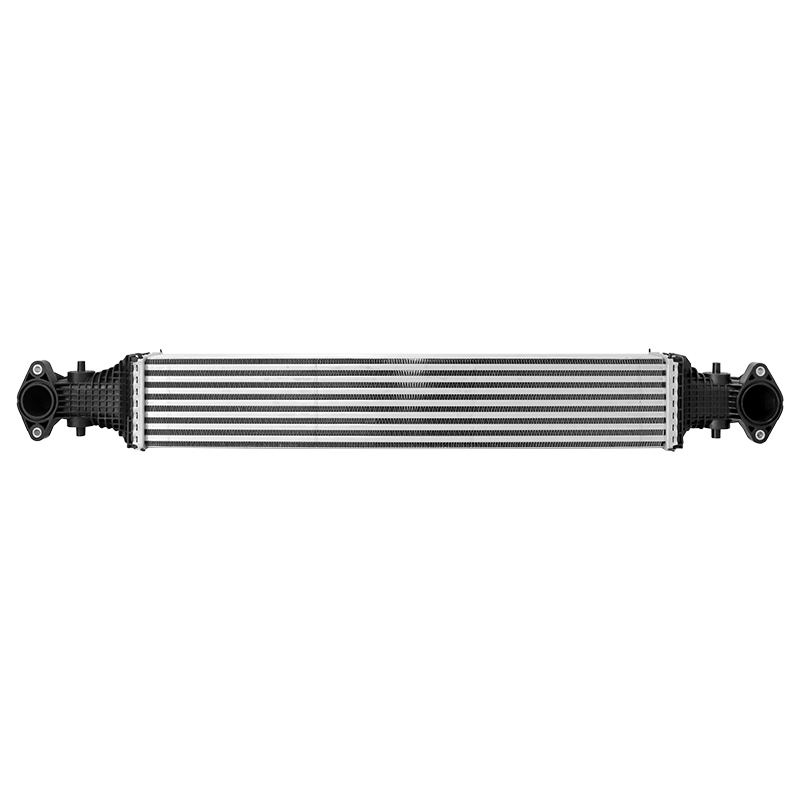
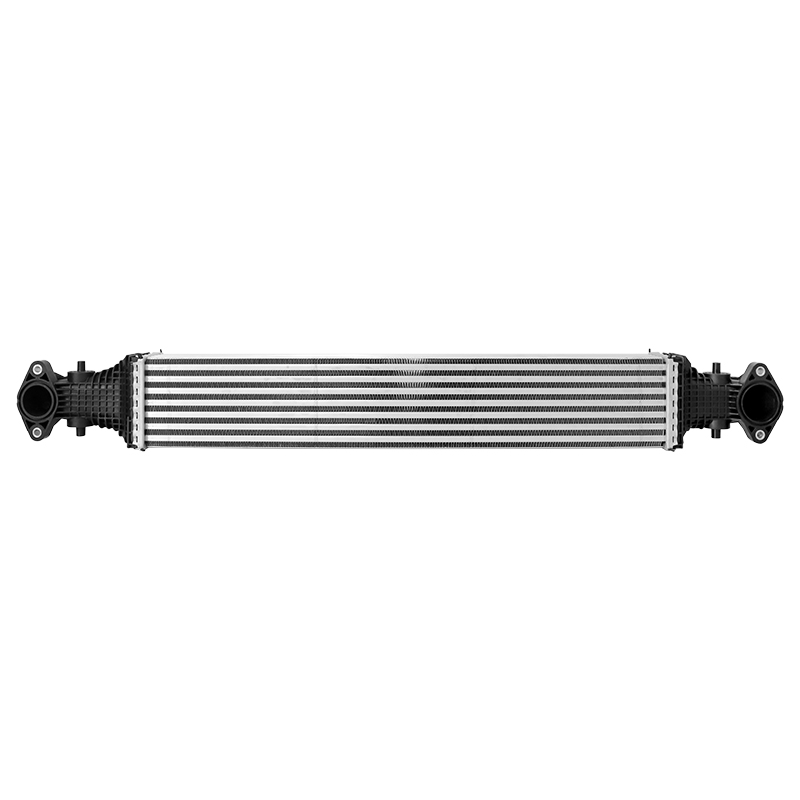 What is an HVAC Auto Intercooler?
Aug 05, 2025
In modern heating, ventilation, and air conditioning (HVAC) systems, efficient temperature control is vital for comfort, energy savings, and equipment longevity. One key component that enhances system performance—especially in automotive and industrial HVAC applications—is the auto intercooler. While intercoolers are more commonly known in automotive turbocharged engines, their concept and technology have found valuable applications in HVAC systems as well. But what exactly is an HVAC auto intercooler, and how does it contribute to the system’s overall performance?
1. Definition of HVAC Auto Intercooler
An HVAC auto intercooler is a specialized heat exchanger integrated within an HVAC system designed to cool compressed air or refrigerant between stages of compression. It “intercools” the air or fluid, reducing its temperature before it proceeds to the next stage or system component.
In automotive contexts, “auto” typically refers to automatic or automotive applications, but in HVAC, it can also imply automated or selfregulating intercoolers that optimize performance without manual intervention.
2. Why is Intercooling Needed in HVAC Systems?
Many HVAC systems, especially those using compressors such as in chillers, refrigeration units, or automotive air conditioning, compress air or refrigerant as part of their operation. Compression raises the temperature of the gas or fluid, which can reduce system efficiency and strain components.
Intercooling provides several benefits:
Reduces Air Temperature: Lowering the temperature of compressed air or refrigerant increases efficiency and reduces the work required in subsequent compression stages.
Increases System Efficiency: Cooler air or refrigerant improves heat exchange performance, reducing energy consumption.
Protects Components: High temperatures can damage compressors, valves, and seals. Intercooling helps maintain safer operating temperatures.
Improves Air Quality: In some HVAC airhandling units, intercooling can reduce humidity and remove contaminants by cooling the air between stages.
3. How Does an HVAC Auto Intercooler Work?
The working principle of an HVAC auto intercooler is straightforward:
Compression Stage: Air or refrigerant enters a compressor, where it is compressed and heated.
Intercooling Stage: The hot compressed air or refrigerant passes through the intercooler, which is a heat exchanger that transfers heat from the gas/fluid to a cooler medium (usually ambient air or cooling water).
Cooling Medium: The intercooler uses fins, coils, or plates to maximize heat dissipation to the environment or a cooling circuit.
Cooled Output: The cooled air or refrigerant then moves on to the next compression stage or to the condenser/evaporator components of the HVAC system.
An “auto” intercooler often includes sensors and control systems that automatically regulate cooling flow, fan speed, or valve positions based on temperature and pressure data, optimizing intercooling performance dynamically.
4. Types of HVAC Auto Intercoolers
There are several types of intercoolers used in HVAC systems, based on the cooling medium and design:
AirtoAir Intercoolers: Use ambient air to cool the compressed air/refrigerant. Common in automotive air conditioning and some industrial units.
AirtoWater Intercoolers: Use chilled water or coolant flowing through coils to absorb heat. Typically found in large commercial or industrial HVAC systems.
Plate Heat Exchangers: Compact, efficient heat exchangers often used in automated systems.
Shell and Tube Intercoolers: Traditional design used in heavyduty applications.
The “auto” aspect usually refers to builtin automation controls for temperature regulation.
5. Applications of HVAC Auto Intercoolers
The HVAC auto intercooler plays a critical role in several applications:
Automotive HVAC Systems: Turbocharged vehicles use intercoolers to cool compressed air before it enters the engine, improving efficiency. Similarly, automotive air conditioning systems use intercooling technology to enhance cooling.
Industrial Chillers: Large chillers employ intercoolers to improve refrigerant cycle efficiency.
Commercial HVAC Systems: Intercoolers improve the performance of multistage compressors used in large building climate control.
Refrigeration Units: Help reduce compressor discharge temperatures for longer component life.
Air Handling Units (AHUs): Some advanced AHUs integrate intercooling stages for air quality improvement and humidity control.
6. Benefits of Using HVAC Auto Intercoolers
Energy Efficiency: By lowering the temperature of compressed gases, intercoolers reduce the load on compressors, saving energy.
Extended Equipment Life: Cooler operation reduces wear on compressors and other components.
Improved System Capacity: Cooler compressed air allows the system to handle higher volumes or pressures without overheating.
Better Comfort Control: Enhanced temperature and humidity management lead to better indoor air quality and comfort.
Automation and Smart Control: Auto intercoolers adapt to varying operating conditions, optimizing performance without manual intervention.
7. Challenges and Considerations
Initial Cost: Incorporating intercoolers adds to system complexity and upfront cost.
Maintenance: Intercoolers need regular cleaning and inspection to maintain heat exchange efficiency.
Space Requirements: Depending on design, intercoolers may require additional space within HVAC installations.
Compatibility: The intercooler must be matched to the specific compressor and system parameters for best performance.
An HVAC auto intercooler is a vital component that enhances the performance and reliability of HVAC systems by cooling compressed air or refrigerant between stages. Through efficient heat exchange and automated control, these intercoolers improve energy efficiency, extend equipment life, and maintain optimal operating conditions. Whether in automotive air conditioning, industrial chillers, or commercial HVAC installations, auto intercoolers contribute significantly to modern cooling and heating technologies.
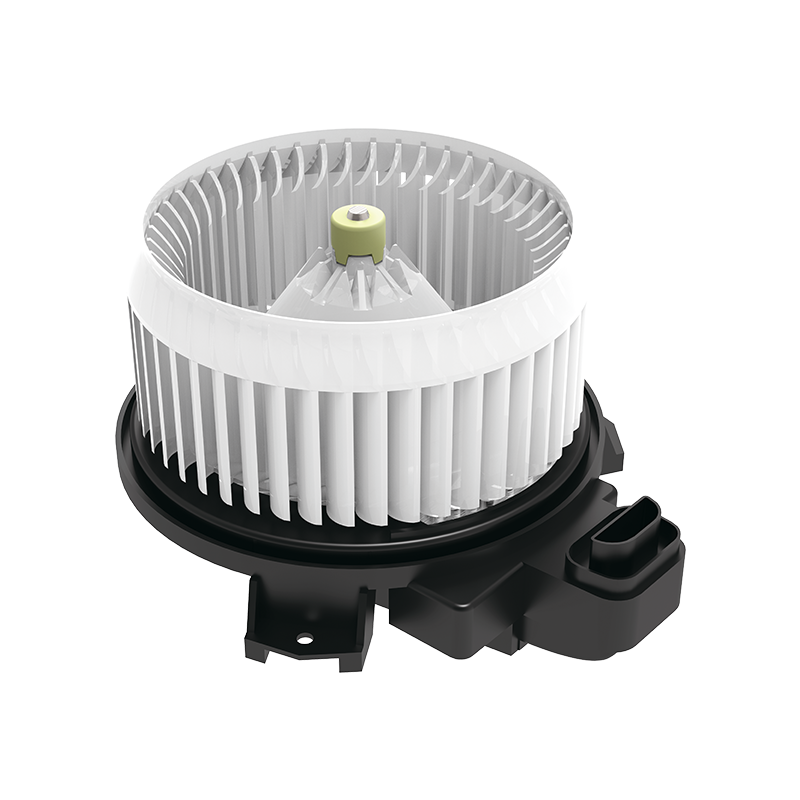 What is an HVAC Heater Blower Motor?
Aug 01, 2025
An HVAC Heater Blower Motor is a crucial component in a vehicle’s heating, ventilation, and air conditioning (HVAC) system. It is responsible for driving air through the vehicle’s HVAC ducts, allowing hot or cold air to circulate inside the cabin. This motor ensures the desired temperature and air quality inside the vehicle, making it comfortable for passengers regardless of external weather conditions.
Main Function of the HVAC Heater Blower Motor
The primary role of the blower motor is to push air through the heater core, the evaporator, or directly into the vehicle’s cabin, depending on the selected mode of operation. When the heater is turned on, the blower motor pushes air through the heater core, which is warmed by engine coolant. This warm air is then distributed inside the cabin. When the air conditioner is activated, the blower motor forces air through the evaporator to produce cool air.
The blower motor works in coordination with the HVAC control panel, where the user sets the fan speed, temperature, and airflow direction. Depending on the vehicle’s design, the motor can have multiple speed settings or may use a variable resistor or a blower motor control module to regulate fan speed.
Types of Blower Motors
There are mainly two types of HVAC heater blower motors:
1. Single-Speed or Multi-Speed Blower Motor: These motors operate at fixed speed levels, such as low, medium, and high. The speed is controlled by a resistor block, which provides different resistance levels to reduce or increase voltage to the motor.
2. Variable-Speed Blower Motor: These advanced motors allow more precise control of airflow. They are often controlled by a blower motor control module that adjusts the voltage depending on the input from the HVAC system.
Key Components Related to the Blower Motor
Blower Motor Resistor: In multi-speed systems, this regulates the power going to the motor, thus changing the speed.
Blower Motor Relay: This electrical switch allows the blower motor to be activated or deactivated as needed.
Blower Motor Fan (or Wheel): A fan attached to the motor shaft that physically moves the air through the HVAC system.
Signs of a Faulty Blower Motor
A failing HVAC heater blower motor can cause discomfort and poor visibility, especially during extreme weather conditions. Common symptoms include:
Fan not working at certain speed settings.
No air blowing from the vents even when the HVAC system is on.
Unusual noises (such as rattling or squealing) coming from the dashboard.
Weak airflow despite setting the fan to high speed.
Smoke or a burning smell, indicating possible electrical failure.
Maintenance and Replacement
Like all mechanical components, the blower motor can wear out over time. Dust, debris, and moisture can cause bearings to seize or the motor to overheat. Regular maintenance, like replacing cabin air filters and ensuring vents are clean, can prolong its lifespan.
When a blower motor fails, it’s often replaced entirely, though sometimes only the resistor or control module may need replacing. Replacing the motor usually involves accessing it under the dashboard or behind the glove compartment, depending on the vehicle model.
The HVAC heater blower motor is essential for regulating the interior climate of a vehicle. Whether you're defrosting the windshield on a cold morning or cooling down in the summer heat, this motor ensures the efficient delivery of air at the desired temperature and speed. Keeping the blower motor in good working condition is key to both comfort and safety while driving.

 What is an HVAC Auto Radiator used for?
Jul 22, 2025
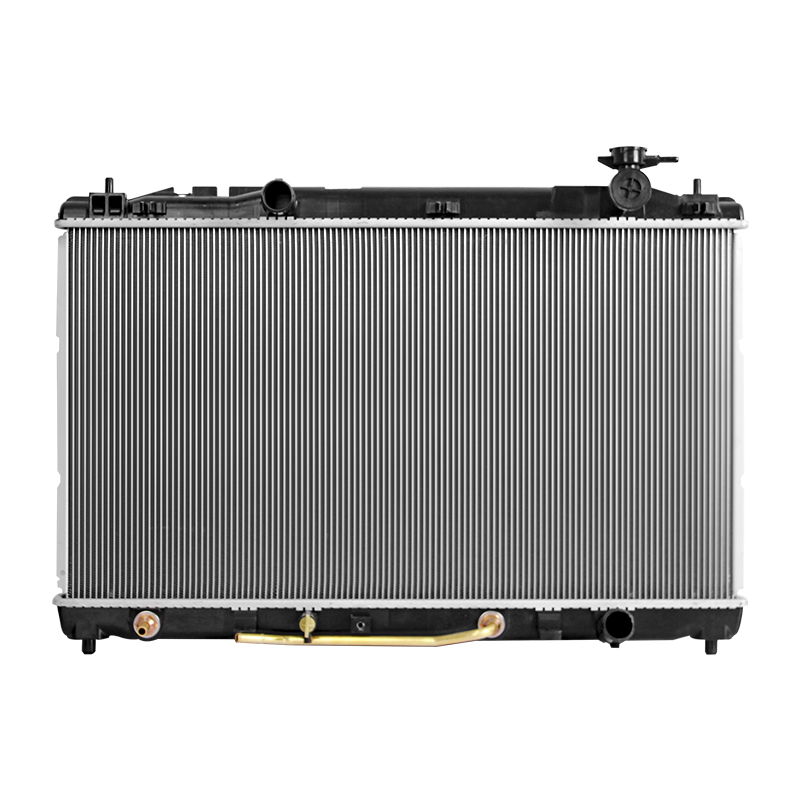
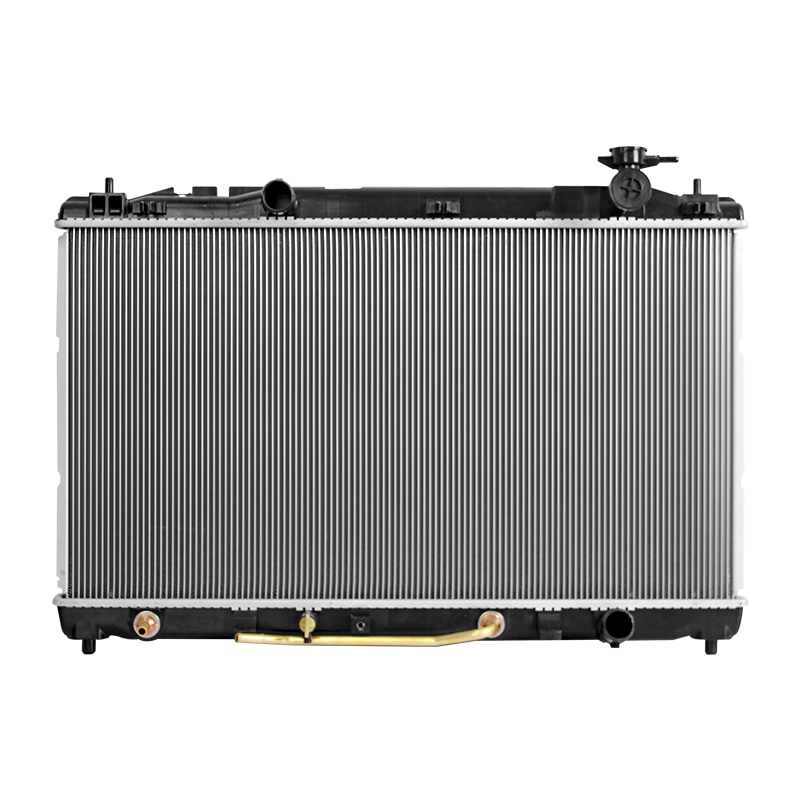
In modern vehicles, comfort and performance go hand in hand. A critical component that ensures comfort inside the car is the HVAC system—short for Heating, Ventilation, and Air Conditioning. Within this system, one essential but often overlooked part is the HVAC auto radiator, also known as the heater core or HVAC condenser coil, depending on the function. But what exactly does this component do, and why is it so important?
Understanding the HVAC Auto Radiator
The term “HVAC auto radiator” generally refers to components inside a vehicle’s HVAC system that manage heat exchange. These include:
What Does the HVAC Radiator (Heater Core) Do?
The HVAC radiator is responsible for transferring heat from the engine’s coolant to the air that blows into the passenger cabin when the heater is turned on.
Here’s how it works
Key Functions of an HVAC Auto Radiator
| Function | Description |
| Cabin Heating | Provides warm air to heat the vehicle interior during cold weather |
| Defrosting | Helps clear the windshield and side windows by blowing warm, dry air |
| Temperature Regulation | Works with thermostat and sensors to balance cabin comfort and engine heat load |
| Heat Transfer Efficiency | Aids in distributing engine heat away from the system to prevent overheating |
Why Is It Important?
While it may seem like a luxury feature, the HVAC radiator plays an important role in both comfort and safety:
Comfort: In cold climates, it provides essential warmth for the driver and passengers.
Visibility: It ensures effective windshield defogging and defrosting.
Engine Health: In some systems, the heater core serves as a secondary path for coolant flow, which can slightly aid in cooling the engine during heavy use.
Signs of a Failing HVAC Radiator
Like any part, the HVAC auto radiator can wear out or fail. Common symptoms include:
HVAC Auto Radiator vs Engine Radiator: What’s the Difference?
| Feature | HVAC Radiator (Heater Core) | Engine Radiator |
| Location | Inside the dashboard | Front of the engine compartment |
| Function | Heats cabin air | Cools engine coolant |
| Fluid Used | Engine coolant | Engine coolant |
| Size | Smaller, narrow | Larger, wide |
| Importance | Cabin comfort and safety | Engine temperature regulation |
Should You Replace a Faulty HVAC Radiator?
Yes—if the heater core fails, you’ll lose cabin heat and may deal with foggy windows, leaks, or even engine overheating in some designs. While the part itself may not be very expensive ($50–$200), labor costs are often high because the dashboard usually has to be removed for access. Total repair costs can range from $500 to $1,000 or more.
Still, replacement is strongly recommended for safety and comfort—especially in colder regions.
Maintenance Tips
To prolong the life of your HVAC radiator:
The HVAC auto radiator—primarily the heater core—is an essential part of your vehicle’s climate control and safety system. It keeps the interior warm in winter, ensures windshield visibility, and contributes to engine heat balance. While it may not be as well-known as the engine radiator, its failure can cause serious discomfort and safety concerns.
If your car’s heater isn’t performing well or you notice coolant odors or leaks, don’t ignore it. A functional HVAC radiator means a warmer, safer, and more comfortable driving experience—especially when the weather turns cold.
What does Auto Side Mirror do?
Jul 17, 2025
Auto side mirrors, also known as vehicle side mirrors or wing mirrors, are vital safety and convenience features on almost every modern vehicle. Positioned on both sides of a car, these mirrors provide drivers with a clear view of the areas adjacent to and behind their vehicle, significantly improving situational awareness and helping to prevent accidents. But beyond their basic function, auto side mirrors today come packed with a variety of advanced technologies and features designed to enhance safety, comfort, and driving experience.
At its core, the primary function of an auto side mirror is to give the driver visibility of areas outside the direct line of sight—especially the rear sides of the vehicle. These mirrors help cover the blind spots, which are areas that cannot be seen through the vehicle’s rearview mirror or by looking directly over the shoulder.
By adjusting these mirrors, drivers can see:
Vehicles approaching from behind and to the side
Pedestrians, cyclists, or obstacles in adjacent lanes
Safe spaces for lane changes or merging
Parking lines and curbs during parking maneuvers
This expanded field of vision is crucial for safe driving, lane changing, merging on highways, and parking in tight spaces.
Early automobiles were often equipped with just a simple rearview mirror inside the vehicle. However, as traffic density increased and driving speeds became higher, the need for better visibility of adjacent lanes became clear. This led to the introduction of side mirrors.
Initially, side mirrors were fixed and manually adjusted from outside the vehicle, requiring the driver to physically move the mirror glass. This was inconvenient and unsafe, especially in adverse weather or heavy traffic.
Today’s auto side mirrors are much more advanced, featuring power adjustment, heating, folding, auto-dimming, and even camera integration. These features enhance convenience and safety, reflecting technological progress in automotive design.
Let’s explore the primary and advanced functions of modern auto side mirrors in detail.
The main role remains improving visibility of the adjacent lanes and rear. Modern mirrors are often convex or aspheric, providing a wider field of view than flat mirrors. This curvature helps reduce blind spots by allowing the driver to see more area with less head movement.
Some vehicles also include blind spot detection sensors integrated with side mirrors. These sensors alert drivers if a vehicle is in their blind spot, often through lights or sounds inside the mirror housing.
Most modern cars come with power-adjustable side mirrors. Instead of manual adjustment, drivers use a switch inside the vehicle to change the mirror angle electronically. This provides precise and quick adjustment without distracting the driver or requiring them to lean outside.
Power adjustment makes it easy to tailor mirror angles for multiple drivers and ensures optimal visibility at all times.
Heated side mirrors contain embedded heating elements that melt frost, ice, or snow on the mirror surface during cold weather. This feature prevents fogging or freezing, maintaining clear visibility without the driver needing to manually clean the mirrors.
To protect mirrors when the vehicle is parked or driving through narrow spaces, some cars have auto-folding side mirrors. The mirrors fold inward automatically when the car is locked or when the driver selects the folding function.
This feature reduces the risk of damage from passing vehicles or pedestrians and helps in tight parking spots.
Glare from headlights of vehicles behind can be distracting or temporarily blind the driver. Some side mirrors have auto-dimming technology that detects bright lights and darkens the mirror glass accordingly, reducing glare and improving night driving comfort.
Side mirrors may include LED turn signal indicators. These signals improve vehicle visibility to other drivers, especially when the side mirrors are closer to a driver’s eye level, enhancing safety during lane changes and turns.
With the rise of advanced driver-assistance systems (ADAS), many vehicles now integrate cameras into side mirrors. These cameras feed video to the vehicle’s display screens, providing enhanced views for parking assistance, lane keeping, or surround-view monitoring.
The auto side mirror consists of several components:
Mirror Glass: The reflective surface, often made with a special coating for anti-glare or heating purposes.
Housing: The protective outer shell that encases the mirror and electronic components.
Actuator or Motor: For power adjustment and folding functions.
Sensors: For heating, blind spot detection, or auto-dimming.
Wiring and Control Module: To transmit signals from the driver’s controls to the mirror.
When a driver operates the mirror adjustment switch, electrical signals are sent to the actuator motors inside the mirror housing. These motors tilt or rotate the mirror glass to the desired angle. For folding, a similar motor mechanism folds the entire mirror housing inward.
Heating elements embedded behind the mirror glass warm it to prevent ice or fog. Sensors detect glare or vehicles in blind spots and activate the corresponding alert or dimming function.
Auto side mirrors play a critical role in road safety. According to traffic safety studies, many side-impact collisions and lane-change accidents happen because drivers failed to detect vehicles in their blind spots. Properly adjusted and functioning side mirrors significantly reduce this risk.
Blind spots vary depending on vehicle size and design. Larger vehicles, like trucks or SUVs, have bigger blind spots, making side mirrors even more important.
Despite their importance, auto side mirrors can experience issues such as:
Broken or cracked mirror glass due to impact or vandalism
Malfunctioning motors that prevent mirror adjustment or folding
Electrical faults causing heating or signals not to work
Scratches or dirt reducing visibility
Loose or damaged housings that cause vibrations or noise
Regular inspection and maintenance of side mirrors ensure they function properly. Cleaning the mirror glass regularly and avoiding forceful manual adjustments prolong the life of mirror components.
If an auto side mirror is damaged or malfunctions, it often needs repair or replacement. Depending on the problem, repairs may involve:
Replacing the mirror glass
Fixing or replacing the actuator motors
Repairing wiring or switches
Replacing the entire mirror assembly
The cost varies depending on the vehicle model, mirror features, and labor fees.
The future of auto side mirrors is evolving rapidly. Some modern vehicles and concept cars are replacing traditional mirrors with digital camera systems and internal display screens—so-called “digital side mirrors.” These systems promise better aerodynamics, reduced blind spots, and enhanced safety features by offering multiple camera angles and smart alerts.
Additionally, side mirrors will continue to integrate with ADAS and autonomous driving systems, offering features like object detection, lane departure warnings, and automated parking assistance.
Auto side mirrors are indispensable components that help drivers see areas beyond their direct view, significantly improving safety on the road. Over the years, side mirrors have evolved from simple fixed mirrors to sophisticated devices featuring power adjustment, heating, auto-folding, glare reduction, and camera integration. These features enhance driving convenience, safety, and comfort.
Properly functioning and correctly adjusted auto side mirrors reduce blind spots, assist in lane changes, parking, and help prevent accidents. As automotive technology advances, the role of side mirrors will continue to grow, incorporating more intelligent systems and digital innovations to make driving safer and easier for everyone.


+86-0571-26238568

Kangxin Road, Tangqi Town, Linping District, Hangzhou , Zhejiang , China






 English
 中文简体
中文简体
 русский
 Español
