English
 中文简体
中文简体
 русский
 Español
[Auto Accessories][email protected]
2026-08-10
It is six in the morning, the temperature is below freezing, and you have just discovered that the heater blows nothing but cold air. Frost covers the windshield, and you need to get to work. Before you panic, know this: you can still clear the glass and drive safely without a functioning heater, but you have to change the way you operate the car. The practical sequence has three parts. First, physically remove the frost on the outside of the glass. Second, set the ventilation system to stop fog from forming on the inside. Third, plan a permanent repair so the next cold morning is not a repeat of this one. These methods work because they attack the root cause of poor visibility: moisture, not heat.
Content
The defroster works by pushing air across a heater core filled with engine coolant. When the engine warms up, that heat transfers to the air, and the blower motor drives it through the dashboard vents onto the windshield. When any link in that chain fails, you get cold air or no air at all:
If the fan does not spin at all when you turn the knob to a high speed, the blower motor or its resistor pack is the likely culprit. This part is electrically driven and wears out over time, especially after years of winter use. The replacement is a direct swap: remove the old motor, install a new one, and reconnect the wiring. A reliable replacement HVAC heater blower motor restores cabin airflow and defrosting performance in about an hour, which is usually the cheapest permanent fix available.
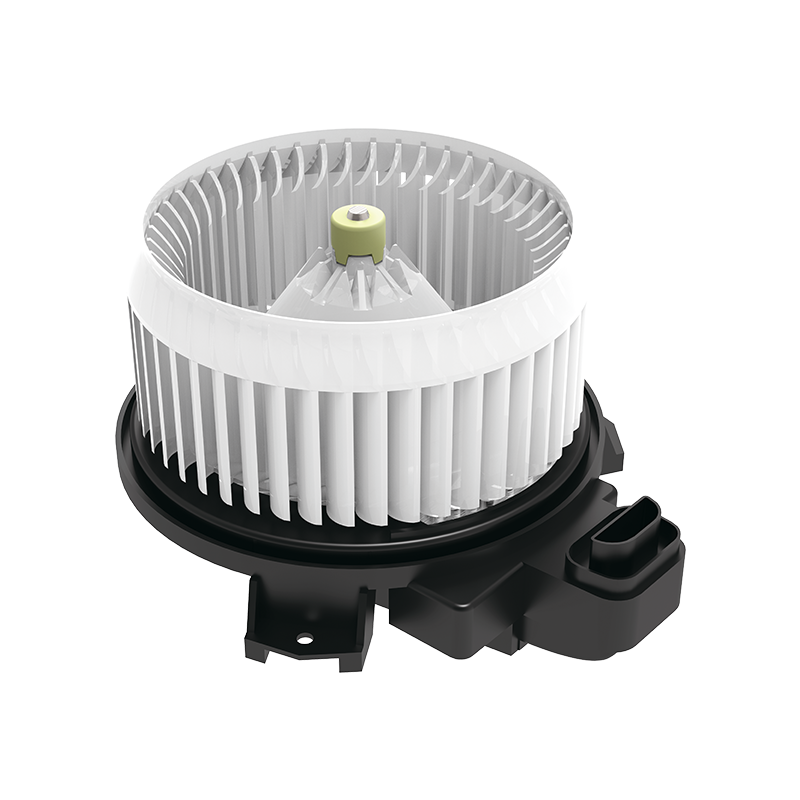 Custom HVAC Heater Blower Motor Manufacturers, FactoryHangzhou Golden Sun Autoparts Co., Ltd is trustworthy HVAC Heater Blower Motor Manufacturer and factory in China. We offer custom HVAC ...View Product →
If the fan spins but the air is cold, the issue sits on the heating side rather than the airflow side. Check the coolant level first, then listen for a thermostat that opens too early. Understanding the complete system helps you avoid replacing the wrong part; for a clear overview, it is useful to review how automotive HVAC systems manage cabin airflow from a design perspective.
When the heater is broken, you cannot rely on warm air to melt frost. The fastest and safest path is physical removal. Use a quality ice scraper with a plastic blade, start at the top of the windshield, and pull downward in smooth, overlapping strokes. This prevents ice from being pushed back up under the blade and avoids scratching the glass with trapped grit. Keep a separate short scraper for the side windows so you never drag road salt across the main windshield. For a full comparison of your options:
| Method | Speed | Risk | Cost | Best For |
|---|---|---|---|---|
| Ice scraper | Moderate | Low when used correctly | $5-10 | Thick frost and ice |
| De-icer spray | Fast | Low | $5-15 | Light to medium frost |
| Warm water | Very fast | High; glass may crack | Free | Emergency only |
Commercial de-icers, usually based on isopropyl alcohol or propylene glycol, quickly break the bond between ice and glass, which shortens scraping time dramatically. A homemade version works almost as well: mix one part water with two parts rubbing alcohol and add one small drop of dish soap. Spray it evenly, wait thirty seconds, and the ice loosens enough that a scraper glides through it without much force. Avoid applying the mix when the temperature is far below −18°C, because the alcohol can freeze back into a thin film and make the glass slicker than before.
Pouring warm water is fast, but it is also the one method that can permanently damage a windshield. A rapid temperature change of more than roughly 20°C across the glass creates internal stress, and cracks often start at existing chips or along the edges. If you are stranded with no scraper and no spray, use lukewarm water and pour it in a thin stream along the top edge so it runs down gradually. Never use boiling water, and never use this method on a windshield that already has a crack or a chip.
Fog is a different problem from frost. It forms when warm, humid cabin air meets the cold glass and condenses into tiny droplets. The trick is to remove moisture from the air you breathe, not to warm the glass. The fastest no-heat defogging routine is: turn the climate control to fresh outside air, set the fan to high, crack a side window about two centimetres, and wipe the glass with a clean microfiber cloth as needed.
Recirculation mode keeps moisture from passenger breath and wet clothing inside the cabin. That moisture is exactly what condenses on the glass. Outside air, even when it is cold, is drier than the air you are exhaling, so it clears fog more quickly. If the blower motor still works, this method alone can keep the windshield usable on a long drive, even if every vent is blowing cold air. If the blower motor is dead, the cabin pressure difference created by a cracked window still pulls some moisture out as you move.
Dirt, oil, and the residue left by old cleaning products give condensation a surface to grab onto. A dirty windshield fogs up faster, spreads light into glare, and smears more badly whenever you wipe it. Clean the inside of the glass with a dedicated auto glass cleaner and a dry microfiber cloth at least once a week during winter. After cleaning, apply an anti-fog treatment as directed; it forms a microscopic layer that stops water from beading on the surface. This is the same chemistry used by motorcycle goggle products and works reliably on automotive glass.
If your heater is already broken, the smartest move is to prevent frost overnight rather than fight it in the morning. A simple windshield cover, a piece of cardboard, or an old bed sheet held down by the wiper arms keeps ice off the glass entirely. If you do not have a cover, park facing east so the morning sun works on your side of the glass. Pull the wiper blades away from the surface so they do not freeze to the glass, and leave a small window gap to let cabin humidity escape overnight. Applying anti-fog coating to the inside glass before the cold spell starts will also cut the fogging work in half when you start driving.
No trick can replace a working defroster for the whole winter. Once the immediate emergency is handled, the correct move is to diagnose and replace the broken part. Start with the blower motor because it is responsible for all airflow. If the fan is dead, install a new blower motor. If airflow is normal but the air is cold, move to the cooling side:
A cracked or clogged replacement auto radiator for engine cooling can leave the engine running too cool in winter, which directly starves the heater core of the hot coolant it needs. If you suspect this failure mode, it is worth reading how radiator surface treatment and coating protect against corrosion before you buy. Similarly, an electric fan that cycles poorly can stop the car from holding temperature; understanding how engine cooling fans operate and the difference between electric and mechanical drives helps you isolate the fault quickly.
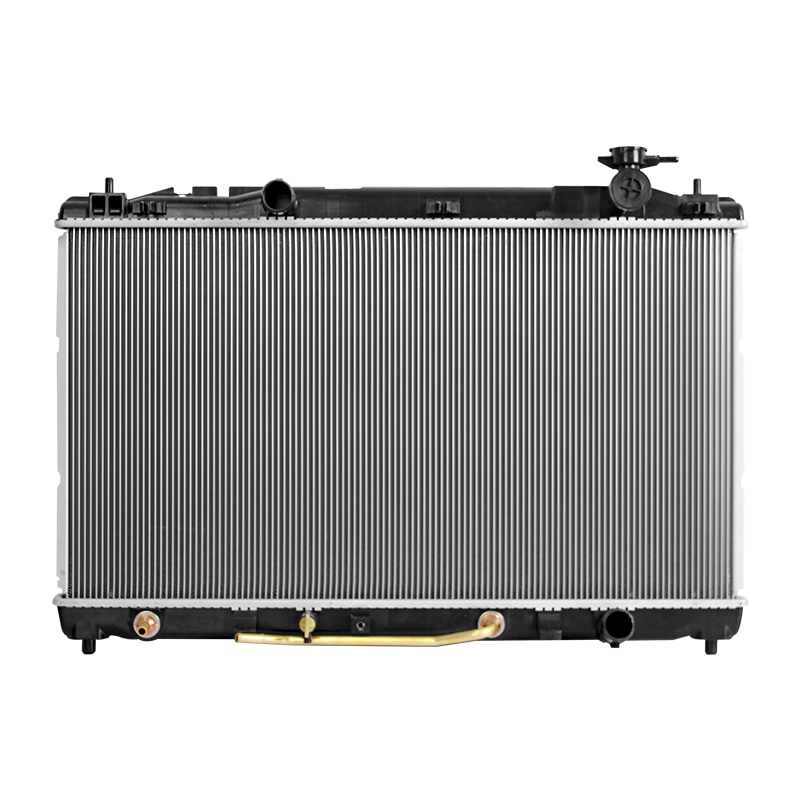 Custom HVAC Auto Radiator Manufacturers, FactoryHangzhou Golden Sun Autoparts Co., Ltd is trustworthy HVAC Auto Radiator Manufacturer and factory in China. We offer custom Auto Radiator...View Product →
Once the new parts are installed, run the engine, switch the climate control to the defrost position, and confirm that warm air reaches the windshield within ten minutes. If the air still feels lukewarm, check the blend door or the heater core itself; both require deeper repair work. Keep a scraper in the door pocket as a backup for the next unexpected failure, and you will never be stranded by fog again.


[Auto Accessories][email protected]
[Auto Parts][email protected]

+86-0571-26238568

Kangxin Road, Tangqi Town, Linping District, Hangzhou , Zhejiang , China