How to Change a Rear View Mirror: A Complete Step-by-Step Guide

Home / Blog / Industry News / How to Change a Rear View Mirror: A Complete Step-by-Step Guide
Business Community Exhibition Activities Industry News

How to Change a Rear View Mirror: A Complete Step-by-Step Guide

2026-04-02

A rear view mirror is one of the most critical safety components in your vehicle, giving you a clear line of sight to traffic behind you. Whether yours is cracked, loose, or completely detached, replacing it is a straightforward task most drivers can complete at home in under 30 minutes — no mechanic required. This guide walks you through exactly how to change a rear view mirror, from gathering tools to securing the new mirror in place.

What You Need Before You Start

Before beginning the replacement, make sure you have the correct mirror for your vehicle. Rear view mirrors are not universal — fitment depends on your car's make, model, and year. Using an incompatible mirror can result in poor mounting or obstructed vision.

Gather the following tools and materials:

  • Replacement rear view mirror (vehicle-specific)
  • Flathead screwdriver or trim removal tool
  • Allen wrench set (commonly 3mm or 4mm)
  • Mirror mounting adhesive (if reattaching a button-style mount)
  • Clean cloth and rubbing alcohol
  • Protective gloves (optional but recommended)

If your mirror has electronic features such as auto-dimming, compass display, or an integrated camera, check whether it requires a wiring harness disconnection before removal.

Understanding the Two Main Mounting Types

Rear view mirrors generally attach to the windshield in one of two ways. Knowing your type determines which removal method applies.

Mount Type How It Attaches Common In
Button Mount Mirror slides onto a metal button glued to the windshield Most modern vehicles
Screw Mount Mirror is bolted directly to a bracket on the windshield Older vehicles and heavy-duty trucks
Table 1: Rear view mirror mounting types and their characteristics

How to Remove the Old Rear View Mirror

For Button-Mount Mirrors

  1. Locate the small set screw or locking tab at the base of the mirror where it meets the mount button. This is usually on the underside of the mirror arm.
  2. Using the correct Allen wrench, turn the set screw counterclockwise until loose — do not remove it fully.
  3. Slide the mirror upward or pull it firmly toward you to disengage it from the button. Some designs require a slight rotation before releasing.
  4. If the mirror has electrical connectors, carefully unplug them before fully removing the mirror from the vehicle.

For Screw-Mount Mirrors

  1. Peel back or remove any plastic trim cover at the base of the mirror to expose the mounting screws.
  2. Using a screwdriver or Allen wrench, remove all mounting screws. Keep them safe — you may need them for the new mirror.
  3. Gently pull the mirror assembly away from the windshield bracket.

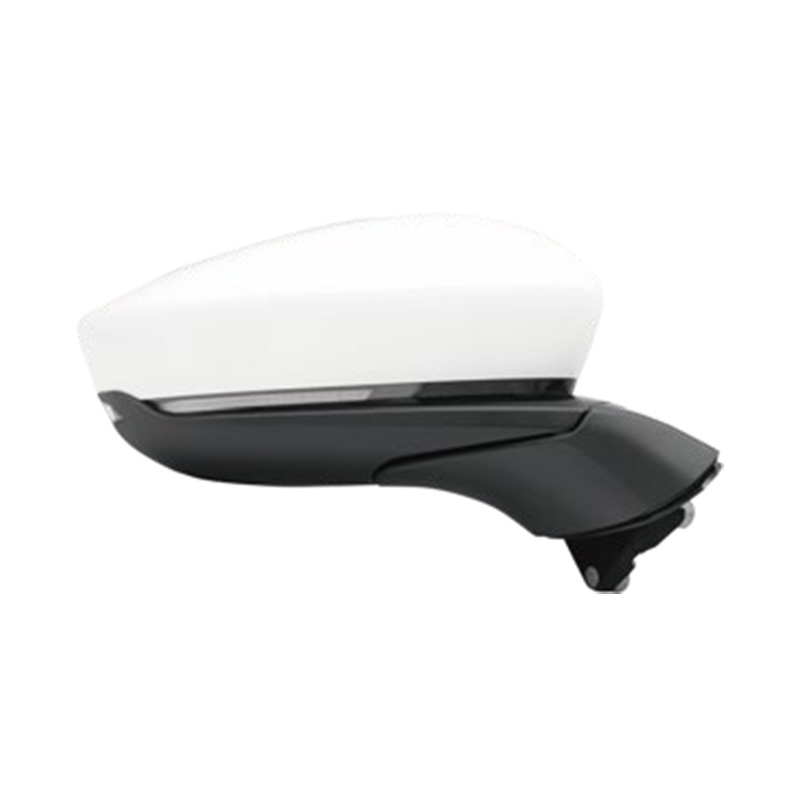
FOR MAZDA 3 AXELA 2020 JE017

How to Install the New Rear View Mirror

Installation is essentially the reverse of removal, but a few details matter for a secure and properly aligned fit.

Button-Mount Installation

  1. If the mounting button on the windshield has fallen off or needs replacement, clean the glass surface thoroughly with rubbing alcohol and let it dry completely. Apply the mirror mount adhesive kit to reattach the button. Allow a full 24 hours of cure time before mounting the mirror.
  2. Reconnect any electrical connectors to the new mirror before mounting.
  3. Slide the mirror bracket over the button until it clicks or seats firmly.
  4. Tighten the set screw clockwise with the Allen wrench — snug but not overtightened, as excessive torque can crack the glass or strip the screw.

Screw-Mount Installation

  1. Align the new mirror's bracket with the mounting holes on the windshield bracket.
  2. Insert and hand-tighten the screws first to ensure proper alignment before fully securing them.
  3. Replace any trim cover and press until it snaps into place.

Adjusting the Mirror After Installation

Once the mirror is secured, sit in the driver's seat in your normal driving position. Adjust the mirror so the entire rear window is visible without needing to move your head. The horizon line should fall roughly in the center of the mirror's reflection.

If your new mirror includes an auto-dimming or compass feature, consult the included instruction sheet to calibrate these functions — they typically activate automatically once the vehicle is powered on.

Common Mistakes to Avoid

  • Skipping adhesive cure time: If you reattach a mount button, mounting the mirror too soon — even after a few hours — significantly increases the risk of it falling off while driving.
  • Using the wrong adhesive: Standard household glues cannot withstand the temperature extremes inside a parked car. Always use a purpose-made rearview mirror adhesive.
  • Over-tightening the set screw: This can cause the mount to crack or the mirror stem to deform, leading to vibration or instability.
  • Forgetting electrical connections: On smart mirrors, failing to reconnect the wiring harness will disable electronic functions and may trigger dashboard warnings.

When to Consider Professional Help

Most standard rear view mirror replacements are DIY-friendly. However, consider visiting a professional if your mirror is integrated with advanced driver assistance systems (ADAS), such as lane departure warning or automatic emergency braking. These systems use cameras or sensors mounted in the mirror housing, and recalibration after replacement requires specialized diagnostic equipment — a step that cannot be skipped safely.

Similarly, if the windshield bracket itself is damaged or the glass around the mount shows stress cracks, a windshield specialist should assess the situation before you proceed.