English
 中文简体
中文简体
 русский
 Español
[Auto Accessories][email protected]
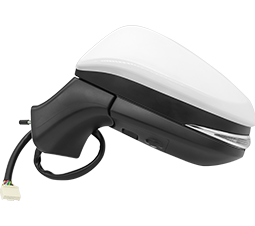 How does Auto Side Mirror perform in terms of anti-fog, waterproof or anti-wind resistance design?

Jan 25, 2025
Auto Side Mirror's performance in anti-fog, waterproof and wind resistance design. With the advancement of technology and the increase in consumer demand for safety, comfort and performance, modern car side mirrors have made significant improvements in these three aspects. The following is a detailed explanation of the design performance of each aspect:
Anti-fog design
Heating function: Many car side mirrors are equipped with a heating function, which is usually part of the anti-fog design. By building a heating cable or resistor under the mirror, when the owner turns on the heating function, the mirror temperature rises, which can effectively remove water vapor or fog on the mirror. This heating function ensures that the driver's vision remains clear in humid environments, such as rainy days or cold weather.
Anti-fog coating: Some side mirrors use special anti-fog coatings that can reduce condensation of water and prevent the mirror from fogging. These coatings reduce the adhesion of water droplets by changing the surface tension of the mirror, making it easier to remove water droplets.
Automatic adjustment function: The side mirror design of some high-end models uses intelligent automatic adjustment technology, which can automatically enable the anti-fog function according to changes in ambient temperature and humidity, providing a more intelligent fog removal solution.
Waterproof design
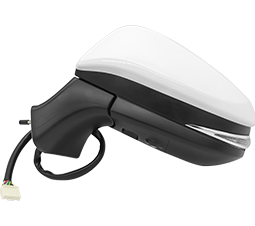
Sealed structure design: The shell design of modern car side mirrors usually has a high degree of sealing, and rubber sealing strips or waterproof rubber rings are used to protect the internal circuit from moisture intrusion. This design effectively prevents rain, snow or sewage from penetrating into the interior of the side mirror, especially for side mirrors with electric adjustment, heating or other electrical functions, ensuring its long-term stable operation.
Waterproof coating and materials: Some side mirror shells use waterproof coatings or special materials, such as waterproof plastics or aluminum alloys, which not only resist water intrusion, but also have anti-corrosion properties, which help to extend the service life of the side mirror.
Mirror surface design: The mirror surface of the side mirror can also be designed to be a surface that water droplets are not easy to adhere to, such as using a water drop elastic coating, so that when water droplets contact the mirror surface, they will slide down quickly and are not easy to gather on the mirror surface to affect the field of vision.
Anti-wind resistance design
Streamlined shape design: The shell of the side mirror adopts a streamlined design to reduce air resistance and wind noise. Designers optimize the shape of the side mirror to make it more harmonious with the overall body streamline of the vehicle, reduce the impact of air on the side mirror during driving, and thus reduce wind resistance. This design not only improves the fuel efficiency of the car, but also reduces noise pollution during driving.
Wind resistance optimization technology: In addition to the streamlined design, some car side mirrors are also optimized by wind tunnel testing, so that the mirror surface and supporting structure produce less airflow interference when driving at high speed. Through such optimization, the overall wind resistance coefficient of the vehicle is improved, especially when driving on the highway, which can improve the stability of the vehicle.
Adjustable mirror angle: The side mirrors of some high-end models support electric adjustment function, and the driver can adjust the mirror angle according to different driving environments. By adjusting the angle, wind resistance and vibration can be reduced when driving at high speed, further reducing the impact of wind resistance.
The performance of Auto Side Mirror in anti-fog, waterproof and anti-wind resistance design has become more sophisticated and efficient with the continuous advancement of technology. Anti-fog design mainly relies on heating and special coatings to ensure a clear view; waterproof design protects the mirror surface and internal components through sealing structure, special materials and coatings; anti-wind resistance design reduces air resistance by optimizing shape, using streamlined shell and wind resistance optimization technology. Overall, the combined use of these designs significantly improves driving safety and comfort, while also helping to improve the vehicle's fuel efficiency and stability.
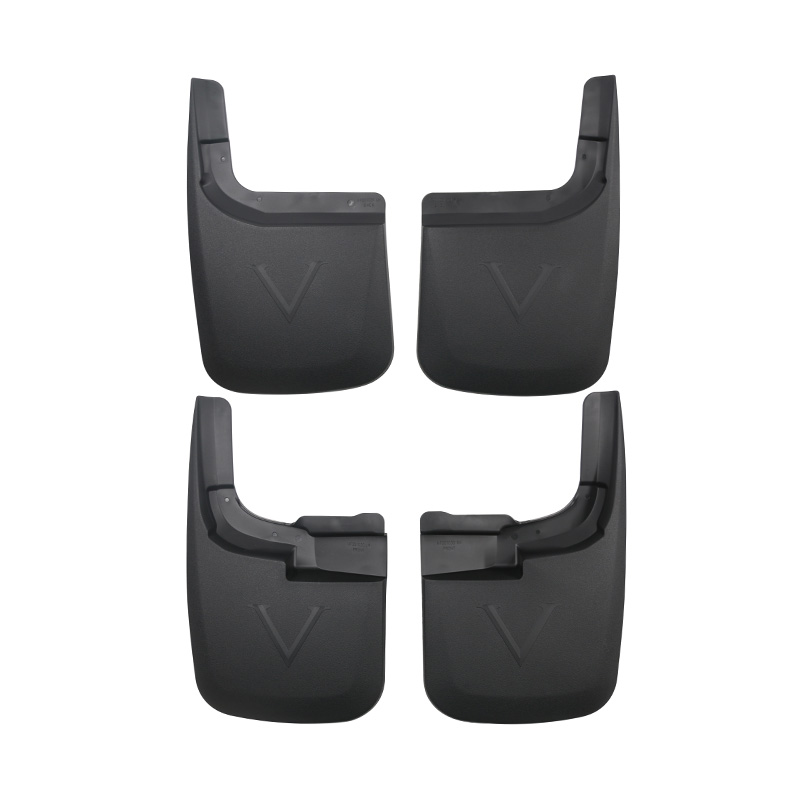 How do Mud Flaps perform in high and low temperatures and extreme weather conditions?
Jan 17, 2025
Mud Flaps perform differently under different ambient temperature conditions, especially in high and low temperatures and extreme climate conditions, the material, structure and protective function of the fender may be affected. Therefore, understanding the performance of the fender in these environments is crucial to choosing the right fender.
In high temperature environments, the heat resistance of the fender material is a key factor in determining its performance. Common fender materials include rubber, plastic, composite materials and metal materials, and different materials have different high temperature resistance capabilities:
Rubber has good elasticity and impact resistance, but in high temperature environments, especially long-term exposure to sunlight, rubber may age, harden or crack. This is because rubber materials will decompose under the influence of heat, causing their surface to become brittle, and their impact resistance and durability will decrease. Especially when the temperature is above 40°C, the service life of rubber may be shortened.
Plastic fenders are usually lighter and more corrosion-resistant, but their physical properties may be affected in high temperature environments. For example, some plastic materials are easily deformed at high temperatures and lose their original rigidity, resulting in a decrease in the protective effect of the fender. In addition, plastics may age due to the influence of ultraviolet radiation, causing the surface to become brittle.
Composite fenders usually have good high temperature resistance and can maintain stability for a long time in high temperature environments. They are usually composed of multiple materials, have strong structural stability and corrosion resistance, and can better adapt to use in high temperature environments.
Metal fenders have good high temperature resistance, but may deform or oxidize at extremely high temperatures (such as temperatures exceeding 100°C), especially for metal materials that have not been specially treated. Therefore, in high temperature environments, metal fenders need to be coated with high temperature resistant coatings, or heat-resistant metal materials should be selected.
In low temperature environments, the material of the fender also needs to have a certain low temperature elasticity to prevent embrittlement, cracks or damage caused by low temperatures. The main problem at low temperatures is the hardening and increased brittleness of the material:
Under low temperature conditions, the elasticity of rubber decreases significantly, becomes more rigid, and is prone to cracks or breakage. Therefore, the low temperature environment has a greater impact on rubber fenders, especially in environments below -20°C, where the softness of rubber is almost lost, which affects the service life and protective effect of the fender.
Plastic materials will also become brittle at low temperatures, lose their original elasticity, and are prone to cracking or breaking, especially materials such as polypropylene (PP) and polystyrene (PS). In extremely cold weather, the strength of plastic fenders is significantly reduced, and long-term exposure to low temperatures may cause their surfaces to crack or break.
Composite materials usually contain cold-resistant components, perform better at low temperatures, and are not easy to become brittle or crack. Compared with rubber and plastic, composite fenders are more durable in low-temperature environments and can maintain better elasticity and strength, especially for use in extremely cold areas.
Metal materials usually increase in strength at low temperatures, but they also lose some toughness, making them easier to break. In particular, low-alloy steel and ordinary steel will have reduced impact resistance in extremely low temperature environments. Therefore, for metal fenders, alloy steel or surface treatment is usually used to improve their low-temperature resistance.
Extreme climates not only refer to high and low temperatures, but also include humidity, ultraviolet radiation, wind and sand, and many other factors, which will affect the performance of fenders:
In high humidity environments, especially in humid and rainy areas, fenders are easily eroded by water, especially metal fenders, which are prone to rust or corrosion. Plastic and rubber materials are more resistant to water in humid environments, but long-term exposure may also cause material aging or surface damage.
In areas with high ultraviolet radiation (such as deserts or high altitudes), fenders exposed to the sun for a long time may accelerate aging, resulting in material fragility, color fading, and reduced strength. Composite materials and metal fenders usually have good UV resistance, but rubber and some plastic materials are prone to cracking under strong ultraviolet radiation.
In sandstorms or desert environments, fenders need to withstand strong wind and sand erosion. The surface of the fender may be worn by sand particles, especially rubber and plastic materials, which are prone to wear and tear after long-term exposure to these environments, affecting the protective effect. Therefore, in these environments, it is a better choice to choose harder and more wear-resistant materials (such as composite materials).
In order to ensure that the mud flaps perform best in high and low temperatures and extreme climate conditions, it is important to choose the right materials and designs:
In high temperature environments, choosing high temperature resistant composite materials or heat-resistant rubber and metal materials can ensure that the mud flaps maintain good performance under long-term exposure to high temperatures.
In low temperature environments, the selection of rubber and plastic materials should pay special attention to low temperature elasticity, while composite materials can provide better low temperature adaptability.
For extreme climate conditions, mud flap materials with high corrosion resistance, UV resistance and wind and sand wear resistance should be selected.
Mud Flaps perform differently in high and low temperature and extreme climate conditions. Understanding the advantages and disadvantages of different materials in these environments will help to select the most suitable mud flaps according to actual use needs. For the long-term use of vehicles and mechanical equipment, choosing mud flaps of suitable materials and performing regular maintenance will help improve the protection effect, extend the service life, and ensure its stability and reliability in different environments.
 What factors affect the cooling performance of Auto Radiator?
Jan 10, 2025
The heat dissipation performance of HVAC Auto Radiator is affected by many factors, including the material, design, working environment, and usage of the radiator. The following are some of the main factors that affect the heat dissipation performance of the radiator:
Common materials for HVAC Auto Radiator include aluminum, copper, copper-aluminum alloy, etc. Different materials have different thermal conductivity. Aluminum alloy radiators are widely used due to their excellent thermal conductivity, lightness, and corrosion resistance. Copper radiators have high heat transfer efficiency, but are heavier and more expensive. The choice of material directly affects the thermal efficiency and durability of the radiator.
The surface treatment of the radiator (such as coating, plating) also affects the heat transfer. The surface smoothness and the quality of the coating determine the contact efficiency between the radiator and the surrounding air. A good coating can effectively reduce corrosion and wear and extend the service life of the radiator.
The fin design of the radiator directly affects the heat dissipation area of the radiator. More fins mean more air contact area, which helps to improve the heat dissipation efficiency. However, too high a density of fins may cause poor air flow, which in turn affects the heat dissipation effect. A reasonable number and spacing of fins can optimize the heat dissipation performance.
The design of the coolant flow channel inside the radiator is crucial to the heat dissipation efficiency. The design of the flow channel should ensure that the coolant flows evenly throughout the radiator to avoid local overheating or overcooling of the coolant. An unreasonable flow channel design may cause the coolant to flow too slowly or too quickly, reducing the working efficiency of the radiator.
The volume (length, width and thickness) of the radiator determines the amount of heat it can handle. A larger radiator can hold more coolant and provide more heat dissipation surface area, which effectively improves the heat dissipation performance. Therefore, choosing a radiator of the right size is the key to improving the heat dissipation efficiency.
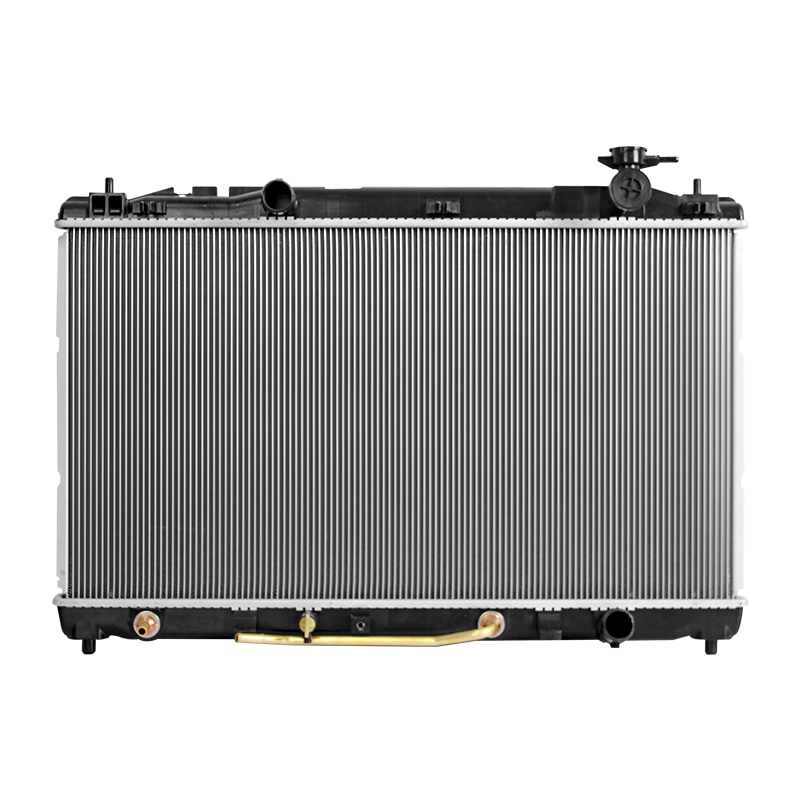
The fluidity of the coolant (i.e. its viscosity) directly affects the flow rate of the coolant in the radiator, which in turn affects the heat dissipation efficiency. Coolants with lower viscosity have better fluidity and help improve heat dissipation performance. Coolants with high viscosity flow more slowly and may cause a decrease in heat dissipation efficiency.
Coolant temperature that is too high or too low will affect the heat dissipation effect. When the coolant temperature is too high, the efficiency of heat transfer is reduced and the radiator cannot effectively dissipate heat; when the temperature is too low, it may cause the coolant to flow poorly, affecting the cooling effect. Impurities, dirt, rust, etc. in the coolant may also affect its heat transfer efficiency, so it is necessary to replace and clean the coolant regularly.
The composition and concentration of the coolant should meet the manufacturer's requirements. Too high antifreeze concentration may cause the coolant to flow poorly, thus affecting the heat dissipation performance; while too low concentration may cause the freezing point to be too high, and even affect the normal operation of the engine.
The radiator releases heat by exchanging with the outside air, so the efficiency of air flow is crucial to the heat dissipation performance. Poor air flow (such as radiator blockage, dust or debris blocking the radiator surface) will cause heat accumulation, thereby reducing the heat dissipation effect. If the environment in which the radiator is installed has poor air circulation (such as design problems in the engine compartment), it may also affect the heat dissipation performance.
The working environment temperature of the radiator directly affects its heat dissipation efficiency. In a high temperature environment, the temperature of the air itself is high, and the heat exchange efficiency of the radiator decreases, which may cause the engine to overheat. In a cold environment, the temperature of the coolant is low, which may cause the engine to fail to reach the normal operating temperature, affecting the overall performance of the cooling system.
The installation angle and position of the radiator have a certain impact on its heat dissipation efficiency. If the radiator does not match the air flow direction, or is installed in a position that is not conducive to air circulation, the heat dissipation effect will be poor. Reasonable radiator installation angle and position can optimize air flow and improve heat dissipation performance.
Only through reasonable design, appropriate material selection, scientific maintenance and regular inspection can the optimal performance of the radiator be guaranteed, thereby effectively maintaining the normal operating temperature of the engine and extending the service life of the engine and cooling system.
 How do the turn signal and lighting functions of Auto Side Mirror improve safety?
Jan 04, 2025
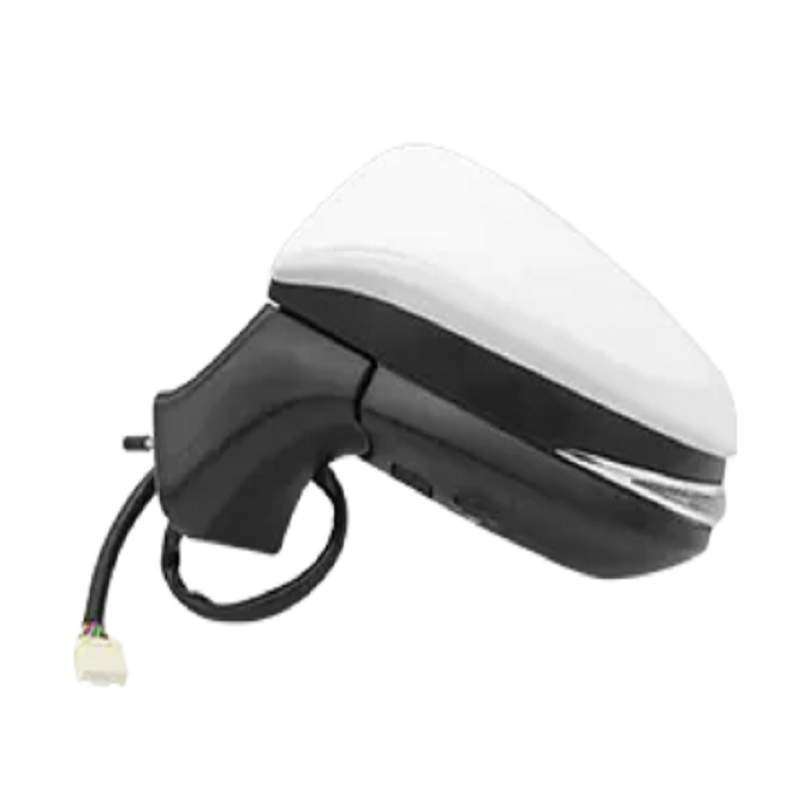
The turn signal and lighting functions of Auto Side Mirror are very important safety-enhancing technologies in modern car design. These features not only improve driver visibility but also help other road users more clearly judge the driver's intentions, thereby reducing the occurrence of traffic accidents. Here’s a breakdown of how these features improve security:
Turn signal function improves safety
The turn signals on the side rearview mirrors (often called side turn signals or blind spot turn signals) help other drivers and pedestrians recognize your driving intentions in a timely manner by providing more obvious direction signals, reducing misunderstandings and unnecessary dangers. Specifically, the ways in which the turn signal function improves safety include:
Improve turn signal visibility
Enhance signal clarity: Traditional turn signals are usually installed at the front and rear of the car, while turn signals on the side mirrors provide an additional signal source, especially for traffic on the side or blind spots. Turn signals on your side mirrors can significantly increase the visibility of your steering intentions to other drivers or pedestrians, especially when you are changing lanes or turning.
Special angle viewing angle: The turn signals on the side rearview mirrors are mounted at a lower viewing angle, which makes them more prominent in traffic, especially in busy urban traffic or high-density roads. This way, other drivers can see your steering movements more clearly.
Reduce the risk of blind spots
Blind Spot Warning: The turn signals on the side rearview mirrors can make it easier for nearby drivers to recognize your driving intentions when turning or changing lanes, thereby avoiding collisions in the blind spots. For example, if you plan to change lanes, the turn signals on the side mirrors can alert the vehicles next to you in time to avoid an accident.
Advance alert for vehicles behind: If the turn signal on the side rearview mirror is turned on, vehicles behind can also get the signal in advance to avoid rear-end collisions due to too close distance or misjudgment of the driver's intentions.
Better nighttime visibility
Night recognition: At night or in low-light environments, traditional turn signals may not be easily visible to other drivers due to insufficient light. The turn signals on the side rearview mirrors are usually larger and more obvious, providing a stronger light source under low-light conditions, making it easier for surrounding vehicles to recognize your steering movements and avoiding nighttime traffic accidents.
Lighting features improve safety
The lighting functions on side rearview mirrors usually include mirror lights, night lights, ground lighting, etc. Its main function is to improve visibility when parking, getting out of the vehicle, and driving, and to reduce the risk of injury to drivers or pedestrians. Specifically, ways lighting features improve safety include:
Lighting aids safety when parking
Night parking assistance: Many car side rearview mirrors are equipped with ground lights. When the driver opens the door, the ground lights will light up and illuminate the ground around the door. This can help with parking at night, opening the door, and finding a parking space in dark environments, reducing the risk of injury to car owners or passers-by. Especially in parking lots with dense crowds or busy traffic, ground lighting can clearly mark the parking area and increase safety.
Indicate obstacles: Ground lighting can also indicate potential obstacles, such as rocks, potholes, etc., on the road next to the car or on the parking lot floor, helping drivers avoid unnecessary collisions or scratches.
Helps with visibility of blind areas
Increased lighting around the vehicle: Lights on the side mirrors (such as illuminated reversing lights) can help drivers see the area to the side of the vehicle more clearly when reversing or in low-visibility situations (such as at night or on rainy days). The function of these lights is to provide a wide lighting range, allowing the driver to see a wider field of view and avoid accidents in unclear environments.
Prevent accidental collisions: By increasing the light on the side of the vehicle, other road users (such as pedestrians, cyclists or other vehicles) can detect your position earlier, reducing the chance of an accident.
Improved visibility of the area around the driver
Assist safety when opening the door: When the vehicle is parked and ready to get out of the car, the lights on the side rearview mirrors can illuminate the area around the door to help the driver see the back seat and the surrounding environment, thereby avoiding sudden appearance outside the car. obstacles or pedestrians. This is especially important for safety when parking on the street.
Mark your vehicle's location: Lights on your side mirrors can also help other drivers see your vehicle, especially in densely parked areas or on highways. Increased visibility of surroundings helps improve overall road safety.
The turn signal and lighting functions of car side rearview mirrors significantly improve driving safety by improving visibility, enhancing signal transmission, and reducing blind spots. Turn signals not only help other drivers clearly understand your driving intentions and reduce the risk of misjudgment and collisions, but are also important for safety at night or in low-light environments. The lighting functions, especially ground lighting and mirror lights, help drivers improve visibility when parking, opening doors, and driving at night, reducing potential safety hazards. The combination of these innovative functions makes modern car side rearview mirrors play an increasingly important role in improving traffic safety and reducing accidents.
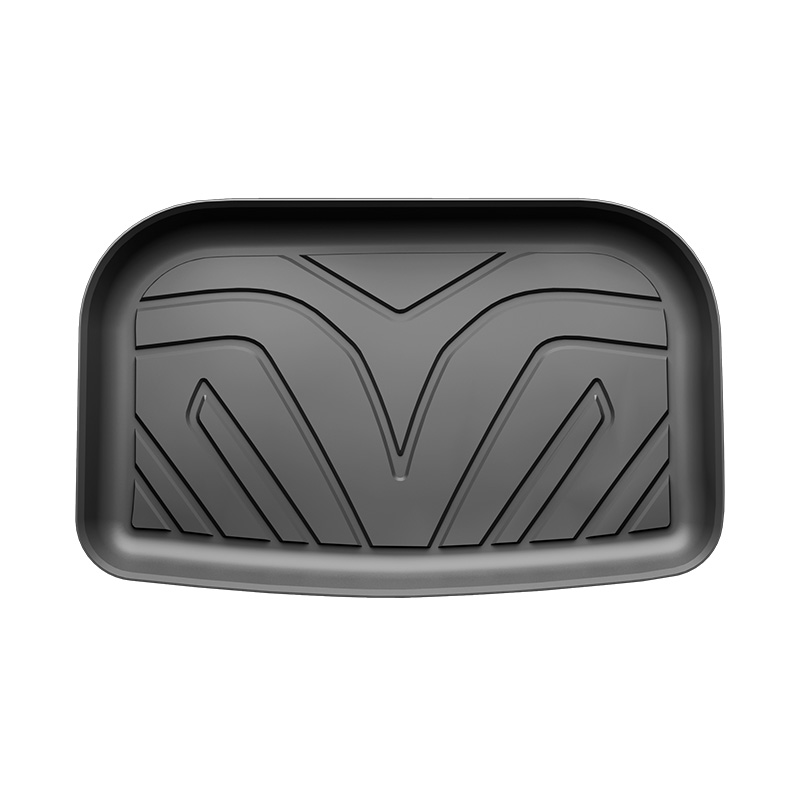 What should I do if the surface of Car Trunk Mat is stained with oil or difficult-to-clean substances?
Dec 24, 2024
If the surface of the car trunk mat is stained with oil or other difficult-to-clean substances, you can take the following methods to deal with it:
If the oil is not handled in time, it may penetrate the surface of the trunk mat or cause stains that are difficult to remove. When you encounter oil stains, it is best to clean them as soon as possible.
First, use paper towels, dry cloths or absorbent cloths to absorb excess oil stains. Avoid wiping, which can reduce the spread of oil stains.
You can use baby powder, corn starch or baking soda and other substances that absorb oil stains, sprinkle them evenly on the oil stains, let them stand for 15 to 30 minutes, and then use a vacuum cleaner or brush to clean off the powder after it absorbs the oil stains.
Add warm water to the bucket and add an appropriate amount of neutral detergent (such as car-specific cleaners, laundry detergent, etc.). Use a soft brush or sponge to dip the solution and gently scrub the oil stains. Avoid excessive force when scrubbing to prevent damage to the surface of the trunk mat. Clean with clean water after scrubbing.
Dishwashing liquid has a degreasing effect. You can try to use a proper amount of dishwashing liquid dissolved in warm water for cleaning. Dishwashing liquid can effectively decompose grease, but you need to be careful to rinse it thoroughly after cleaning to avoid detergent residue.
There are some degreasing cleaners on the market that are specifically used for car interior and carpet cleaning. They usually have a degreasing effect and will not damage the interior surface or floor mats. Choose the right cleaner according to the material of the mat and use it according to the instructions.
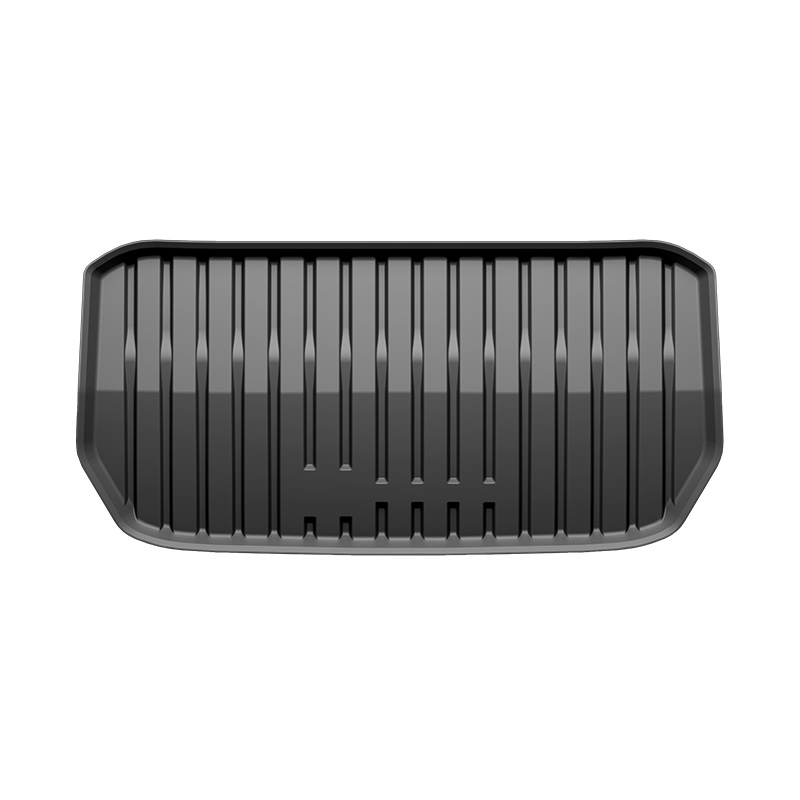
You can choose a special degreaser or car cleaner. These cleaners usually have a strong cleaning ability for oil stains and can effectively remove oil stains without damaging the surface of the mat.
For trunk mats made of rubber or leather, you can use special cleaners that will not corrode the material and can clean the oil stains.
If the oil stains are difficult to remove, you can try a combination of baking soda and white vinegar.
Sprinkle baking soda on the oil stains, then spray a small amount of white vinegar and wait for the reaction. Vinegar can dissolve oil stains, and baking soda has a degreasing effect. After a few minutes, wipe it clean with a damp cloth.
If necessary, you can repeat the cleaning several times until the stain is completely removed.
If the trunk mat is made of a special material, or the above methods still cannot completely remove the oil stain, you can consider sending the mat to a professional car cleaning shop for deep cleaning or dry cleaning. This ensures that the material is not damaged and is thoroughly cleaned.
After cleaning, you can use a car interior anti-fouling spray, which can form a protective film to effectively prevent the trunk mat from being contaminated by oil stains.
Check and clean the trunk mat regularly, and remove stains in time to avoid oil stains accumulating and becoming stubborn stains.
If the oil stains penetrate deeper, professional cleaning tools or equipment, such as high-temperature steam cleaners, may be needed to help better remove deep stains.
Through the above methods, oil stains and other difficult-to-clean substances can be effectively removed, thereby extending the service life of the trunk mat and keeping the car clean and comfortable. If the stains are too stubborn, it is recommended to contact a professional cleaning company in time.
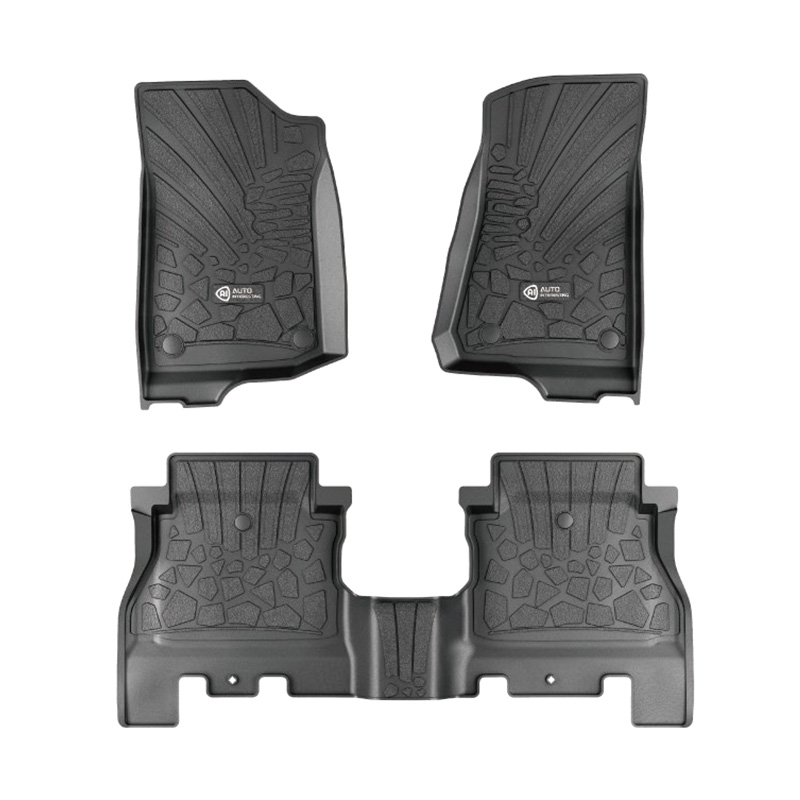 What impact does the design of Car Floor Mats have on comfort and aesthetics?
Dec 19, 2024
The design of car floor mats is not only about its basic protection function, but also plays an important role in comfort and aesthetics. Car owners usually pay attention to the impact of these two aspects when choosing floor mats. Here are several key factors on how the design of car floor mats affects comfort and aesthetics:
The design of car floor mats directly affects the foot feel and comfort. Most floor mats use materials with a certain thickness and softness to improve the comfort of drivers and passengers. Especially when driving long distances or riding for a long time, comfortable floor mats can reduce foot fatigue. Consider when designing:
Thicker floor mats will provide better foot feel and support, reducing foot fatigue during long driving. The right balance of softness and hardness helps provide a comfortable touch.
Buffer layer: Some high-end car floor mat designs include a special buffer layer to help reduce vibration of the floor in the car and increase driving comfort.
Specially designed floor mats, such as ergonomic designs, can provide additional support for the owner's feet. For example, some high-end floor mats are designed to fit the curve of the soles of the feet, which can improve the driving experience and avoid discomfort caused by long-term contact with the flat surface.
Anti-slip design is essential for comfort. If the floor mat slides easily during driving, it will not only affect safety, but also cause discomfort during driving. Anti-slip particles, adsorption pads or other anti-slip materials are usually added to the back of the floor mat during design to ensure that the floor mat is stable on the floor and provides a better driving experience.
The material of the car floor mat has a great impact on the aesthetics. The visual effects, touch and grade of different materials vary greatly. For example:
Floor mats made of high-end rubber or leather are usually more luxurious and elegant.
Fabric or plush floor mats have a warm feeling and are commonly found in some high-end sedans or luxury cars, which can enhance the overall texture of the interior.
Floor mats made of TPE are modern and environmentally friendly, suitable for consumers who focus on simplicity and practicality.
The color and design of the car floor mat can be matched with the color of the car interior to coordinate and beautify it. The color of the floor mats usually matches the car seats, interior fabrics and interior style:
Dark-colored floor mats (such as black and dark gray) are often used in luxury models. They can effectively hide stains and match most interior tones.
Light-colored floor mats (such as gray and beige) can bring a bright and fresh feeling to the interior of the car, but they are also more likely to show dirt, which is suitable for car owners who clean and maintain frequently.
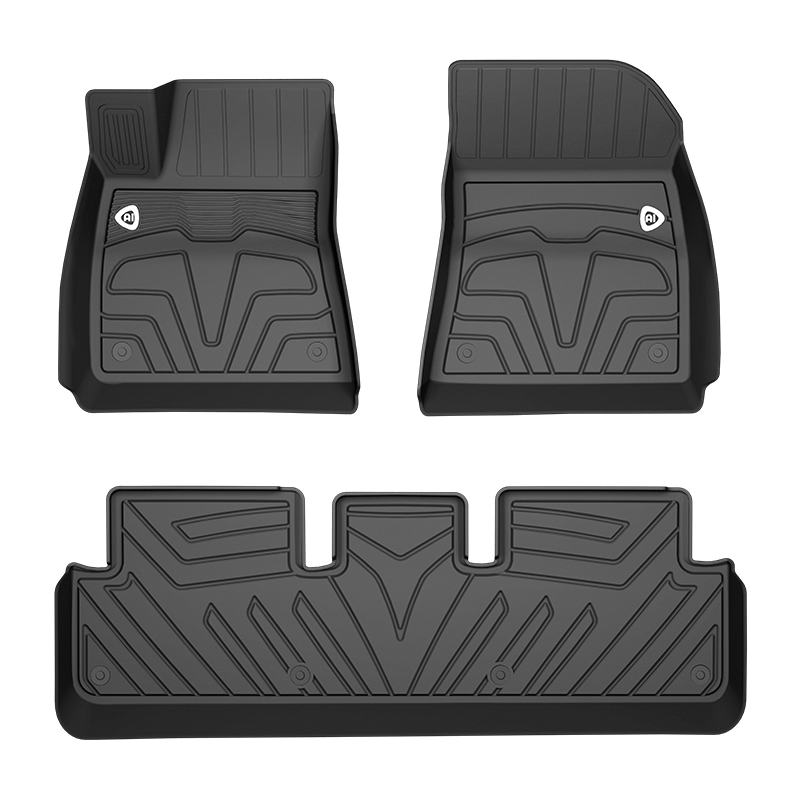
In addition, floor mats can also be added with customized designs (such as the owner's name, car logo or personalized patterns, etc.) to increase personalization and aesthetics, and enhance the owner's sense of exclusivity and belonging to the car interior.
The surface design of car floor mats also plays an important role in aesthetics. Some high-end floor mats will use exquisite texture designs or brand logos, so that the floor mats not only have a protective function, but also can be used as a decorative part of the interior. For example:
Concave and convex designs or grid textures can provide better grip while increasing visual layering.
Personalized patterns, such as brand logos, exclusive logos, etc., not only enhance the owner's aesthetic experience in the car, but also highlight personality.
The design of car floor mats should be coordinated with the overall style of the car. Modern luxury cars and sports cars usually choose low-key and simple floor mat designs to enhance the sense of simplicity and technology; while retro-style cars may prefer floor mats with classic patterns or retro tones to enhance the overall atmosphere in the car.
Some car owners pay more attention to comfort when choosing floor mats, and are willing to choose softer materials and thicker designs, but some car owners may give priority to the aesthetics of floor mats and choose more stylish and personalized floor mats. The ideal floor mat design should be able to balance comfort and aesthetics, so that car owners can enjoy a high-quality comfort experience while improving the overall visual effect of the car.
High-comfort floor mats may need to sacrifice some aesthetics. For example, some very soft fabric floor mats may not look as clean as rubber floor mats, while some highly designed floor mats (such as leather floor mats with personalized LOGO) may be slightly tough and sacrifice some comfort. Therefore, car owners usually need to make a balance according to their needs when choosing.
If the car owner pays more attention to comfort, he may choose a thicker and softer floor mat to provide a better foot feel; if he pays more attention to aesthetics, he may tend to choose a floor mat with a strong sense of design and high-end materials.
Different car models have different requirements for floor mat design. For example, luxury car owners may prefer leather or high-end rubber floor mats to match the luxury of the car; while SUV or truck owners may pay more attention to the durability and practicality of the floor mats, and choose waterproof and easy-to-clean rubber floor mats.
If the car owner lives in a humid or rainy place, he will pay more attention to the waterproofness and stain resistance of the floor mat, and choose easy-to-clean and durable materials; if in a dry or warm area, he can choose some soft and design-oriented fabric floor mats to improve the comfort and aesthetics of the car.
The design of car floor mats is not only a functional protection issue, but comfort and aesthetics also occupy a very important position in it. By properly selecting the material, design and function of the floor mat, the car owner can improve the overall aesthetics of the car while enjoying a comfortable driving experience and meet his own needs for car personalization.
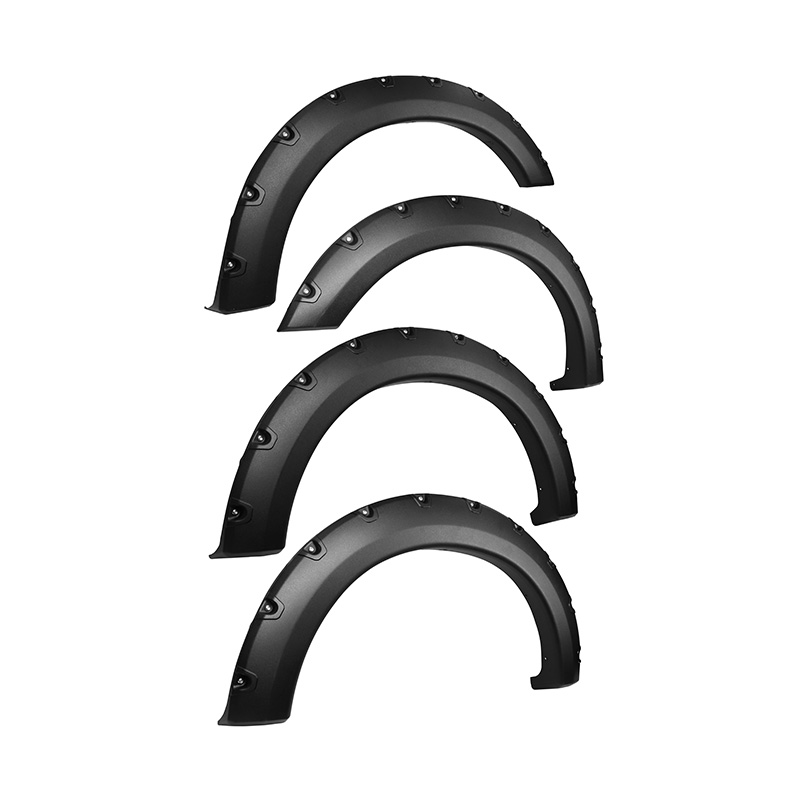 Are Fender Flares built to withstand extreme temperatures, strong sunlight, rain or snow?
Dec 12, 2024
Whether or not fender flares can withstand extreme temperatures, strong sunlight, or rain and snow depends on their material, finish, and design. High-quality fender flares are usually more weather-resistant and can handle a variety of climate conditions, but weather resistance varies greatly from material to material. Here is a detailed analysis of how fender flares perform in these extreme weather conditions:
When fender flares are exposed to high temperatures (such as hot summer days or long periods of sunlight), if they are made of high-quality plastics (such as ABS plastics, polyvinyl chloride PVC, etc.), they can usually withstand higher temperatures without deformation or fading. High-quality fender flares usually have good heat resistance and can maintain stable physical properties to avoid softening and deformation caused by excessive temperatures. However, low-quality or unsuitable materials for high-temperature environments may cause fender flares to deform or fade in high temperatures.
In the cold winter, fender flares need to withstand the challenges of low temperatures. High-quality fender flares usually withstand cold weather and remain tough and not easy to crack or break. For extreme low temperature performance, some materials (such as ABS plastic) are guaranteed to be used in the range of -40°C to +80°C without brittle cracking due to low temperatures. However, if the material is not up to standard, low temperatures may cause fender flares to become brittle and easy to crack.
The ultraviolet rays in strong sunlight will affect many materials, causing them to age, fade or become brittle. High-quality fender flares are usually treated with ultraviolet (UV) protection, which can effectively resist the damage of ultraviolet rays and reduce fading and aging. This UV-resistant coating can increase the durability of fender flares, allowing them to maintain bright colors and good appearance after long-term exposure to sunlight.
Some fender flares use special UV protective coatings or surface treatments (such as UV-resistant coatings, carbon fiber texture surfaces, etc.) to effectively delay fading and material aging caused by ultraviolet rays.

High-quality fender flares are usually well waterproof and can effectively prevent water penetration even in frequent rain and snow weather. Most modern fender flares are waterproof and have a smooth surface that is not easy to absorb moisture and dirt. Rain and snow water can be easily guided away by the design on the fender flares, reducing the impact of accumulated water and mud on the vehicle.
If the vehicle is often driven in snowy or wet conditions, the corrosion resistance of fender flares is particularly important. Especially in areas where saltwater erosion is more serious (such as winter road salting), corrosion-resistant fender flares can prevent corrosion caused by the erosion of chemicals (such as salt) on the material. Generally, plastic, ABS and materials with good coating treatment can effectively resist these external influences.
In some areas with frequent sandstorms, fender flares can help reduce excessive sand and dust on the body and reduce the frequency of car washing. However, if the material used is inferior, the surface may be scratched or worn after long-term exposure to sand and dust.
In humid environments, especially near coastlines, fender flares need to have good rust and moisture resistance. High-quality plastic or specially treated metal fender flares can effectively prevent corrosion and damage caused by moisture.
How well Fender Flares stand up to extreme temperatures, strong sunlight, rain and snow depends on the material and finish they are made of. High-quality fender flares are usually better able to withstand these extreme environments, with multiple properties such as UV protection, high temperature resistance, low temperature resistance, moisture resistance, and corrosion resistance. If your area is often subject to these extreme weather conditions, it is recommended to choose high-quality fender flares with UV protection, temperature change resistance, and corrosion resistance to ensure long-term durability and beauty.
 Is it possible to reduce the greenhouse effect by optimizing the reduction of refrigerant leakage through condenser technology?
Dec 04, 2024
Yes, the greenhouse effect can be reduced by optimizing the condenser technology to reduce refrigerant leakage. This requires optimization in many aspects, including equipment design, material selection, process improvement, monitoring technology, and refrigerant management.
Improve welding technology (such as laser welding) and pipe connection methods (such as using high-performance gaskets) to reduce the risk of leakage at the interface. Reduce the number of joints and connection points through integrated design to reduce the possibility of leakage points from the source.
Adopt a more compact structural design, such as a microchannel condenser, to make the refrigerant flow path more closed and efficient, while reducing the amount of refrigerant exposed to the outside. Introduce a partition control design in the fluid path so that problems in a certain area will not affect the entire system, further reducing the impact of leakage.
Use highly corrosion-resistant materials (such as stainless steel, titanium alloy, or aluminum alloy with anti-corrosion coating) to reduce the risk of leakage caused by material aging and corrosion.
Use new sealing materials (such as polymers) or nanocomposites to enhance the durability and chemical resistance of sealing components. Develop self-healing materials that can automatically repair when leaking to provide an additional layer of protection for the condenser.
Improve the machining accuracy of condenser components, such as through CNC machining and seamless tube manufacturing processes, to reduce minor defects that may cause leakage.
Perform strict air tightness tests and pressure tests on condensers before they leave the factory to ensure that there are no micro-leaks or welding defects. Use non-destructive testing technologies (such as ultrasonic testing and X-ray imaging) for in-depth quality control.
Integrate sensors (such as pressure sensors, temperature sensors, and refrigerant leak detectors) in the condenser system to monitor refrigerant flow and leakage in real time.
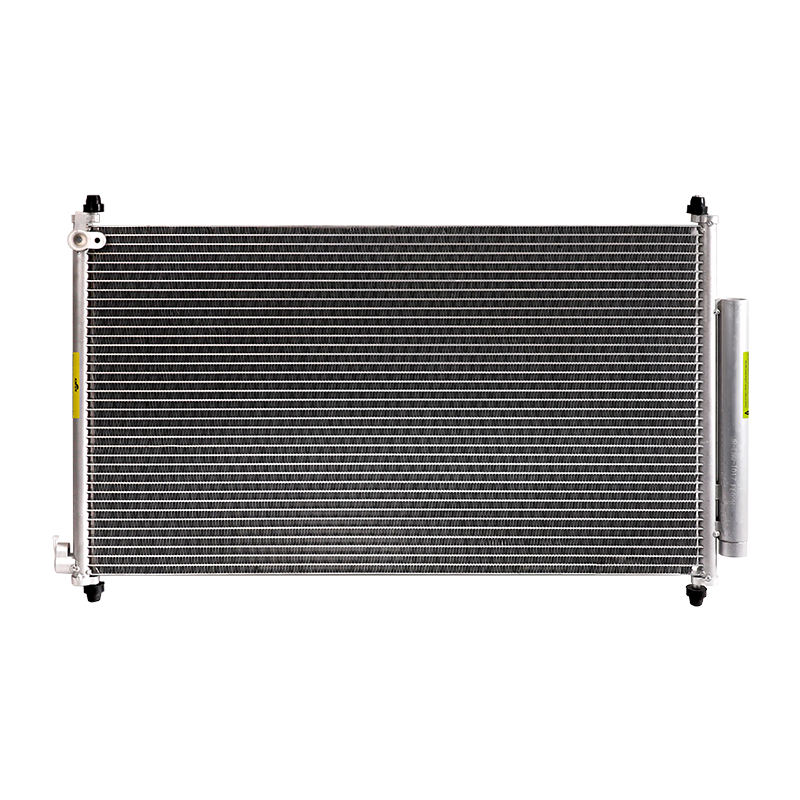
Use IoT technology to connect the condenser monitoring system, and implement early warning and automatic shutdown mechanisms for refrigerant leakage through data analysis. Combine artificial intelligence technology to optimize condenser operating parameters and reduce the flow of refrigerant during non-essential periods, thereby reducing the risk of leakage.
Replace traditional refrigerants with high GWP (global warming potential) (such as R134a) with low GWP or natural refrigerants (such as R1234yf, R744/CO₂). Optimize the refrigerant charge to avoid pressure abnormalities and leakage problems caused by excessive or improper charging.
Refrigerant that may leak in the system can be collected through refrigerant recovery equipment for reuse, reducing direct emissions to the environment.
Establish a regular inspection and maintenance plan for condensers, including inspection of welds, interfaces, seals and other parts prone to leakage. Clean the surface and internal dirt of the condenser to avoid pressure increase and refrigerant leakage caused by blockage.
Strengthen the training of operators to ensure that they follow the specifications during the installation, operation and maintenance of the condenser to avoid leakage problems caused by human factors.
Research condenser materials and structures with self-healing functions, which can repair themselves when tiny cracks or leaks occur.
Combine the condenser with a carbon capture device to absorb part of the carbon dioxide simultaneously when the refrigerant leaks, reducing the overall emission of greenhouse gases.
Develop a fully enclosed condenser, avoid the leakage risk of traditional component connections through integrated manufacturing, and move towards "zero leakage".
Through these optimization measures, refrigerant leakage in the condenser can be significantly reduced, thereby reducing the impact on the environment and the intensification of the greenhouse effect. At the same time, these improvements can not only improve the service life and economic benefits of the condenser, but also promote the industry to develop in a more environmentally friendly and efficient direction.
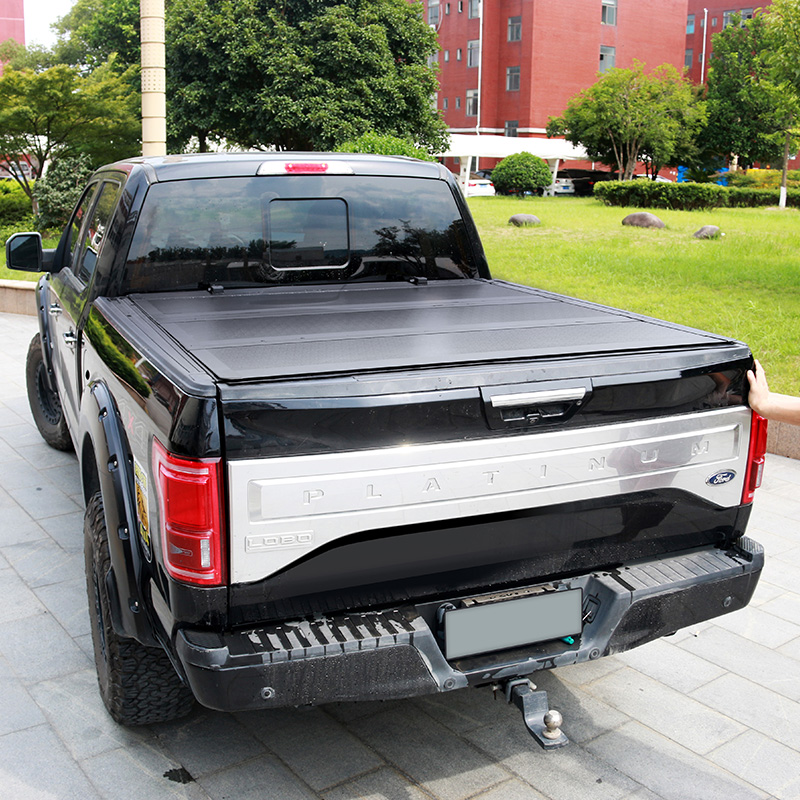 How do you balance waterproofness and breathability in the design of Tonneau Cover?
Nov 25, 2024
Balancing waterproofness and breathability in the design of a Tonneau Cover is a significant challenge, as these two properties often work in opposition. Waterproofness ensures that the contents of the truck bed remain dry in adverse weather conditions, while breathability allows moisture (such as condensation) to escape from the interior, preventing mold and mildew growth. To achieve this balance, the design process needs to consider materials, construction methods, and environmental factors.
Some modern materials, such as Gore-Tex or eVent, are designed to be both waterproof and breathable. These fabrics have microscopic pores that are too small for water droplets to pass through but large enough to allow water vapor (such as moisture from the truck bed) to escape. Incorporating such materials into the Tonneau Cover fabric can help achieve both properties.Some materials, like polyester or nylon, can be treated with DWR (Durable Water Repellent) coatings that make the surface water-resistant while still allowing moisture vapor to escape through the fabric’s fibers.
Using a combination of multiple layers in the fabric—such as a waterproof membrane and a breathable outer fabric—can balance these two needs. The inner layer can prevent water penetration, while the outer layer allows for moisture vapor to escape. For example, a layer of waterproof polyurethane or TPU (thermoplastic polyurethane) film can be used for waterproofing, with a breathable outer fabric to allow airflow.
To enhance breathability while maintaining waterproofness, small ventilation ports can be incorporated into the design of the Tonneau Cover. These vents allow air to circulate inside the cover, helping to release trapped moisture. The vents should be covered with mesh screens or water-resistant fabric that prevent rainwater from entering but still allow air to flow.
Some Tonneau Cover designs include integrated channels or grooves in the construction that help air circulate and move moisture away from the surface. By ensuring that these channels are placed correctly, air can flow across the truck bed surface, promoting breathability without compromising waterproofness.
To prevent water from entering while maintaining some level of breathability, gaskets and rubber seals should be used along the edges of the Tonneau Cover. These seals should be designed to keep water out when the cover is closed but flexible enough to allow small amounts of air to escape to prevent condensation buildup inside.
Consider incorporating zippered or Velcro closures that allow sections of the cover to be opened or closed, controlling airflow. These closures can provide a way to fine-tune the level of breathability when necessary, especially in humid conditions where the need to let out moisture is higher.
Using moisture-wicking fabrics on the underside of the Tonneau Cover can help absorb and manage moisture, preventing it from pooling and promoting evaporation. These fabrics draw water vapor away from the surface and out of the cover.
Incorporating antimicrobial treatments in the fabric can help prevent the growth of mold and mildew due to trapped moisture. These treatments can be applied to the interior surface of the Tonneau Cover to ensure that any condensation or moisture that is retained does not lead to microbial growth.
In regions with fluctuating weather patterns, consider designing the Tonneau Cover with seasonal adjustments in mind. For instance, the cover could feature removable or adjustable vent systems that allow users to open the cover slightly during warmer months to allow more airflow, and seal it tightly during colder or wetter months for better waterproofing.
Develop seals that respond to changes in temperature and humidity. For example, self-expanding seals could contract in high humidity to allow breathability and expand in cold or dry conditions to ensure a tight, waterproof fit.
Provide consumers with detailed instructions on how to maintain the breathability and waterproofness of the Tonneau Cover. This might include regular cleaning, reapplying water-repellent treatments, or ensuring that ventilation systems remain clear of debris.
Balancing waterproofness and breathability in Tonneau Cover design is an intricate process that requires careful selection of materials, design features, and structural elements. By utilizing advanced breathable fabrics, incorporating strategic ventilation options, applying sealing techniques, and considering environmental conditions, manufacturers can create covers that offer the best of both worlds: they protect the truck bed from water while preventing moisture buildup inside the cover. Regular maintenance and consumer education also play a role in ensuring that these features continue to perform optimally throughout the cover’s lifespan.
 What are the advantages of HVAC System Components in improving passenger comfort in the automotive field?
Nov 20, 2024
Automotive HVAC systems play a crucial role in enhancing passenger comfort by maintaining optimal cabin conditions regardless of external weather or driving conditions. Below are the key advantages of HVAC system components in improving passenger comfort:
Automotive HVAC systems enable precise temperature regulation inside the cabin. With features like dual-zone or multi-zone climate control, different passengers can enjoy personalized temperature settings. Advanced sensors continuously monitor cabin and external temperatures to adjust the heating or cooling output, ensuring consistent comfort during long drives or extreme weather.
Proper humidity levels are essential for a comfortable cabin environment. HVAC systems with dehumidification capabilities prevent excessive moisture, reducing window fogging and ensuring clear visibility. Additionally, these systems maintain an ideal humidity level to avoid dryness, making long journeys more pleasant for passengers.
Modern HVAC systems are equipped with advanced air filtration technologies, such as HEPA filters and activated carbon filters. These filters effectively remove dust, pollen, smoke, and PM2.5 particles, ensuring clean air circulation. Some systems also include ionizers or UV sterilization to neutralize harmful microorganisms, promoting a healthier and more enjoyable environment for passengers.
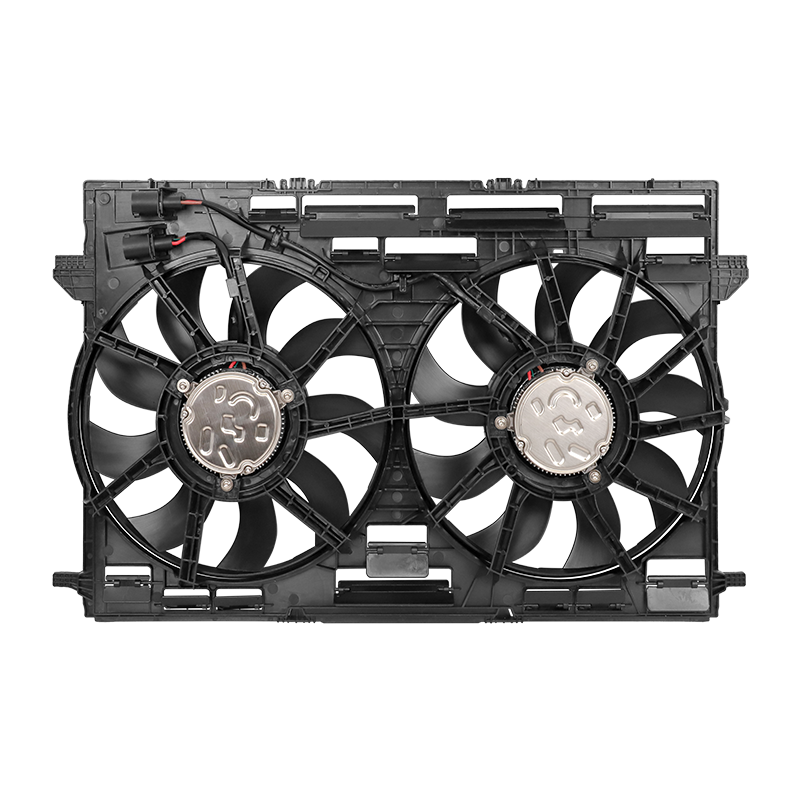
Automotive HVAC systems provide rapid heating or cooling to adjust the cabin temperature after starting the vehicle. This is particularly beneficial in extreme weather conditions, such as cold winter mornings or hot summer afternoons. The ability to quickly achieve a comfortable temperature enhances the passenger experience and reduces discomfort.
Well-designed HVAC systems minimize operational noise, ensuring a quiet and peaceful cabin environment. Silent compressors, optimized airflow designs, and vibration-dampening technologies contribute to reducing noise levels, allowing passengers to relax or enjoy conversations without disturbances.
In vehicles equipped with multi-zone climate control, passengers in different seats can set individual temperature and airflow preferences. This is especially useful in family vehicles, where occupants may have varying comfort requirements, creating a more inclusive and satisfying experience for everyone.
Many modern HVAC systems offer pre-conditioning features, allowing the cabin to be heated or cooled remotely before passengers enter the vehicle. This function is particularly useful in extreme climates, ensuring that passengers step into a comfortable environment from the moment they board.
Automotive HVAC systems often integrate with vehicle infotainment and navigation systems, enabling passengers to control climate settings via touchscreens or voice commands. This seamless integration not only enhances ease of use but also reduces distractions for the driver, contributing to overall comfort and safety.
Some HVAC systems include odor-eliminating features and allergen filters to provide a fresh-smelling cabin environment. These components are particularly beneficial for passengers with allergies or sensitivities, ensuring a pleasant and irritation-free journey.
In regions with extreme temperatures, HVAC systems ensure that the cabin remains comfortable by overcoming harsh external conditions. Advanced materials and efficient cooling/heating mechanisms help maintain passenger comfort even in demanding environments, such as deserts or snow-covered areas.
Automotive HVAC system components significantly enhance passenger comfort by delivering precise temperature control, clean air, and rapid climate adjustments. Through advanced technologies like air filtration, zonal climate control, and pre-conditioning, these systems cater to individual preferences and improve the overall travel experience. As automotive technology evolves, HVAC systems continue to play an essential role in making journeys more enjoyable and stress-free for passengers.
How do the materials and manufacturing processes of the Auto Side Mirror affect its durability and protective performance?
Nov 12, 2024
The material and manufacturing process of the Auto Side Mirror have a direct and far-reaching impact on its durability and protective performance. As an important component of automobile safety and driving assistance, the side mirror not only needs to ensure a clear field of vision, but also needs to cope with various physical and climatic factors in the external environment. Therefore, it is crucial to choose the right material and precise manufacturing process.
The materials of the side mirror mainly include the mirror material and the shell material, which together determine the durability and protective performance of the side mirror.
Traditional side mirrors mostly use glass mirrors. Glass has good reflective properties, but is relatively brittle and easily broken by external impact or temperature changes. In order to improve the strength and durability of the mirror, modern side mirrors often use plastic materials such as polycarbonate (PC) or polymethyl methacrylate (PMMA), which are not only lighter, but also have higher impact resistance. In particular, polycarbonate has excellent impact resistance and can withstand large external impacts, greatly improving the damage resistance of the side mirror. In addition, some high-end side mirrors also use aluminum-plated glass or special coated glass. These coatings can effectively enhance the scratch resistance of the mirror surface and improve the water drop repellency in rainy and snowy weather, thereby ensuring the clarity of vision.
The shell material of the side mirror is usually engineering plastics (such as ABS, polycarbonate, polyurethane, etc.) or aluminum alloy. These materials must be impact-resistant, UV-resistant and corrosion-resistant while ensuring lightweight. ABS plastic is a common shell material and is widely used due to its excellent impact resistance and toughness. For high-end models, composite materials or aluminum alloy shells may be used. Although these materials are more expensive, they can provide stronger structural support and improve the overall strength and impact resistance of the side mirror.
In addition to materials, the precision and technology of the manufacturing process also greatly affect the durability and protection performance of the side mirror.
The mirror coating of the side mirror usually uses high-tech coating technology to enhance the scratch resistance and UV resistance of the mirror surface. For example, some side mirrors are coated with a special anti-water drop coating or anti-reflective coating to maintain good field of vision clarity in harsh weather conditions. Especially in rainy and snowy weather or morning dew, this coating can effectively reduce the adhesion of water droplets, ensuring that the driver can always clearly see the surrounding road conditions.
There is usually a certain sealing design between the shell and the mirror surface of the side-view mirror, which not only helps to prevent water and dust, but also improves the wind resistance of the side-view mirror. When driving at high speed or in bad weather conditions, the sealing process can prevent moisture, dust, etc. from entering the inside of the side-view mirror and protect the mirror surface from damage. In addition, a good sealing design can also improve the anti-noise effect of the side-view mirror and reduce the interference of wind noise and external noise to the driver.
Since the side-view mirror is exposed outside the car all year round, its shell and mirror material must have strong high temperature resistance and UV resistance. Through specific surface treatment technology, the side-view mirror can resist fading, aging and other problems caused by long-term ultraviolet radiation, while ensuring that it is not easy to deform or crack in high or low temperature environments.
The material and manufacturing process of the car side-view mirror directly determine its durability and protection performance. High-quality mirror materials and shell materials can effectively improve the impact resistance, scratch resistance and corrosion resistance of side-view mirrors, ensuring that they can still provide a clear view in bad weather and complex road conditions. The sophisticated manufacturing process can ensure the high-precision matching of various components and enhance the stability and wind resistance of the overall structure. With the continuous advancement of automotive industry technology, the materials and processes of side-view mirrors are also constantly innovating to better meet the needs of safety, comfort and durability.
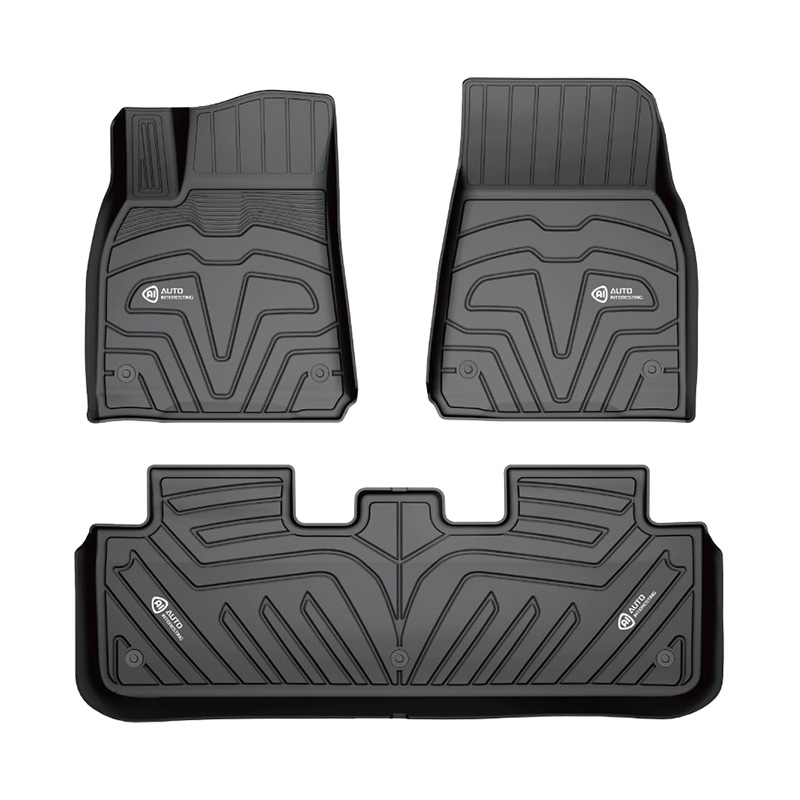 What is the important role of real-time environmental monitoring in improving driving safety for AI Auto Accessories?
Nov 04, 2024
Real-time environmental monitoring plays a crucial role in enhancing driving safety through AI auto accessories. This technology integrates various sensors, cameras, and data analytics to continuously assess the vehicle's surroundings, providing a comprehensive understanding of the driving environment.
Real-time monitoring systems can identify potential hazards such as pedestrians, cyclists, vehicles, and road obstacles. By analyzing visual and sensor data, AI systems can detect these elements early, allowing the driver to respond appropriately or enabling the vehicle to take corrective actions, such as automatic braking or evasive maneuvers.
AI auto accessories equipped with environmental monitoring can adapt to changing road conditions. For instance, if the system detects rain or icy surfaces, it can alert the driver and adjust the vehicle's handling characteristics, such as traction control, to enhance stability and safety.
By continuously tracking the distance and speed of surrounding vehicles, real-time monitoring systems can calculate the risk of collision. When the system predicts an impending collision, it can warn the driver or engage automatic emergency braking to prevent or mitigate the impact.
Real-time environmental monitoring enables lane-keeping assistance features that help maintain the vehicle within its lane. By analyzing lane markings and the vehicle's position, the system can provide corrective steering inputs when it detects unintentional lane departures, reducing the risk of accidents.
Advanced monitoring systems can cover blind spots that drivers cannot see. By using sensors placed strategically around the vehicle, the AI can alert drivers to the presence of other vehicles in their blind spots, thus preventing unsafe lane changes and potential collisions.
AI auto accessories can recognize and interpret traffic signs in real time, such as speed limits, stop signs, and yield signs. By displaying this information to the driver, the system helps ensure compliance with traffic regulations, thereby enhancing safety.
Real-time monitoring contributes to adaptive cruise control systems that automatically adjust the vehicle's speed based on the distance to the vehicle ahead. This feature not only enhances comfort but also reduces the likelihood of rear-end collisions by maintaining a safe following distance.
Some systems can monitor the driver’s attention and alertness levels using facial recognition and eye-tracking technology. If the system detects signs of fatigue or distraction, it can prompt the driver to take a break, thereby preventing accidents caused by driver inattention.
Real-time environmental monitoring can improve safety during night driving by integrating night vision technologies. These systems enhance visibility in low-light conditions, allowing drivers to detect obstacles and hazards that would be difficult to see with standard headlights.
Through vehicle-to-everything (V2X) communication, real-time environmental monitoring allows vehicles to share information with each other and infrastructure, such as traffic lights and road conditions. This interconnectedness can help anticipate and respond to dangers more effectively, improving overall traffic safety.
Real-time environmental monitoring is a foundational aspect of AI auto accessories that significantly enhances driving safety. By providing drivers with critical information about their surroundings and enabling proactive responses to potential hazards, this technology helps prevent accidents and fosters a safer driving experience. As the automotive industry continues to embrace AI innovations, the integration of real-time monitoring will play an increasingly vital role in reducing road risks and improving safety for all road users.


[Auto Accessories][email protected]
[Auto Parts][email protected]

+86-0571-26238568

Kangxin Road, Tangqi Town, Linping District, Hangzhou , Zhejiang , China