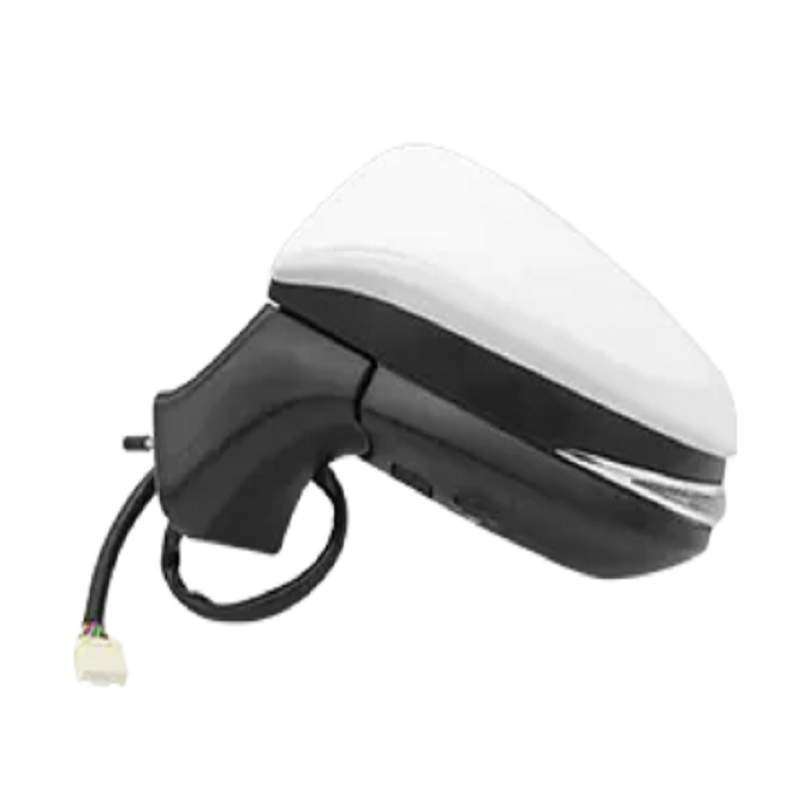
 How to reduce wind noise and air resistance by optimizing the shape in Auto Side Mirror design?

Apr 03, 2025
Reducing wind noise and air resistance through shape optimization in automotive side mirror design is a critical aspect of improving vehicle aerodynamics, fuel efficiency, and driving comfort. Below are the key principles, strategies, and methods to achieve this:
1. Understanding the Sources of Wind Noise and Air Resistance
Wind Noise : Caused by turbulent airflow, vortex formation, and flow separation around the mirror. Pressure fluctuations from these phenomena generate audible noise.
Air Resistance : The mirror's shape disrupts airflow, creating drag (measured as the drag coefficient, Cd). This impacts fuel efficiency and vehicle performance.
To address these issues, the mirror's geometry must be optimized to minimize turbulence and streamline airflow.
2. Key Principles for Shape Optimization
(1) Streamlined Design
Aerodynamic Shape : Use a teardrop or elliptical profile to reduce flow separation and turbulence. A smooth, rounded leading edge helps guide airflow smoothly over the mirror.
Tapered Trailing Edge : Gradually reduce the cross-sectional area toward the rear to minimize wake turbulence and pressure drag.
(2) Minimize Frontal Area
Reduce the mirror's exposed surface area without compromising the driver's field of view. Smaller mirrors create less drag and noise.
Optimize the mirror housing dimensions to balance functionality and aerodynamics.
(3) Smooth Surface Finish
Ensure the mirror housing has a smooth, low-friction surface to reduce skin friction drag. Avoid sharp edges, protrusions, or uneven textures.
Advanced manufacturing techniques like injection molding or polishing can achieve high surface quality.
(4) Optimized Wake Management
Add small spoilers or fins at the trailing edge to control airflow and reduce vortex formation.
Use Computational Fluid Dynamics (CFD) simulations to test and refine these features for optimal performance.
(5) Integrated Design
Consider integrating the mirror into the car door or using flush-mounted designs to reduce its impact on airflow.
Hidden or retractable mirrors can further minimize drag and noise.
3. Simulation and Experimental Validation
(1) CFD Simulations
Use CFD tools (e.g., ANSYS Fluent, STAR-CCM+) to simulate airflow around the mirror. Analyze velocity fields, pressure distributions, and turbulence intensity.
Iteratively adjust parameters like curvature, angle, and thickness to find the most aerodynamic shape.
(2) Wind Tunnel Testing
Test physical prototypes in a wind tunnel to measure drag coefficients (Cd) and noise levels.
Validate CFD results and refine the design based on experimental data.
(3) Acoustic Testing
Measure wind noise using microphone arrays or sound pressure sensors. Analyze frequency spectra to identify noise sources.
Adjust the mirror's shape or add acoustic treatments (e.g., damping materials) to reduce noise.
4. Practical Strategies for Optimization
(1) Optimal Mounting Position
Tilt the mirror slightly backward or position it closer to the window edge to reduce frontal impact.
Adjust the height to avoid excessive drag while maintaining visibility.
(2) Internal Component Layout
Internal components like motors, heating elements, and cameras can disrupt airflow. Optimize their placement and seal gaps to minimize turbulence.
Use sound-absorbing materials inside the housing to dampen resonance noise.
(3) Active Flow Control
In high-end vehicles, active flow control technologies can be employed:
Micro-jets on the mirror surface to direct airflow.
Adjustable mirror angles to dynamically optimize aerodynamics based on speed and conditions.
5. Case Study: Optimized Side Mirror Design
Here’s an example of a successful optimization process:
Leading Edge : Designed with a large radius of curvature for smooth airflow transition.
Trailing Edge : Added a small spoiler to guide airflow outward, reducing wake turbulence.
Surface Finish : High-gloss engineering plastic with UV-resistant coating.
Mounting Position : Slightly tilted backward to minimize frontal exposure.
Results :
Drag coefficient reduced by approximately 10%.
Wind noise decreased by about 5 dB.
6. Future Trends and Innovations
Camera-Based Systems : Replacing traditional mirrors with compact cameras and digital displays eliminates drag and noise entirely.
Foldable Mirrors : Retractable designs reduce drag when not in use.
Lightweight Materials : Using advanced composites (e.g., carbon fiber) reduces weight and improves aerodynamics.
Shape optimization for automotive side mirrors involves balancing aerodynamics, functionality, and aesthetics. By leveraging CFD simulations, wind tunnel testing, and innovative design strategies, manufacturers can significantly reduce wind noise and air resistance. Future advancements, such as camera-based systems and active flow control, will further enhance vehicle performance and comfort.
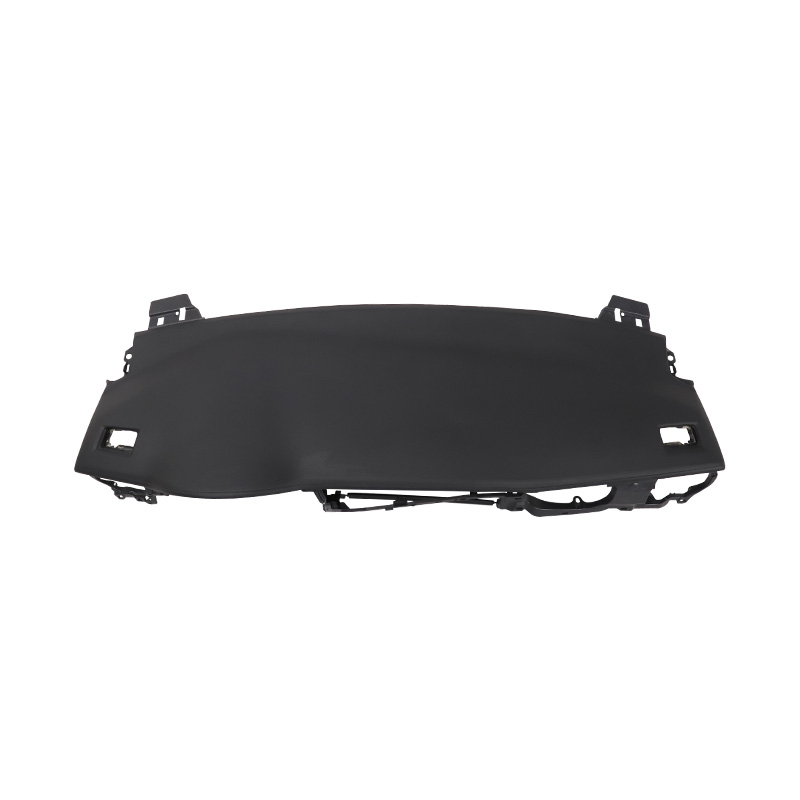 How does Auto Dashboard strike a balance between aesthetics, readability, and functionality?
Mar 24, 2025
To strike a balance between aesthetics, readability, and functionality, the design of the Auto Dashboard needs to consider several key factors. Here are some key recommendations:
1. Simple and clear interface design
Simplicity: Avoid too many elements. Try to remove unnecessary decorations and ensure that each piece of information has its meaning.
High contrast: Ensure that the text and graphics have enough contrast with the background, especially in different lighting conditions (such as day and night). Dark backgrounds and bright text/icons usually provide good readability during both day and night.
Clear partitions: Use different colors and layouts to distinguish different information areas. For example, speed, fuel level, navigation, etc. can be visually distinguished for the driver to quickly identify.
2. Information priority
Hierarchical design: Put important information where the driver can see it most easily (such as the central display or the center of the dashboard). Secondary information can be displayed in smaller fonts or on the edge of the screen.
Icons and indicator lights: Icons are an indispensable element of the dashboard. When designing, make sure that the icons are intuitive, unified, and consistent with the common habits of drivers. For example, icons such as low fuel level and engine failure should be eye-catching enough.
3. Interaction and functionality
Responsive design: The dashboard interface should be responsive and avoid too many steps. The layout of the touch screen and buttons should be reasonable to ensure that the driver can operate quickly without distraction.
Haptic feedback: When the driver touches the touch screen or operates the button, provide tactile feedback (such as vibration or sound) to enhance the interactive experience.
Customization options: Some drivers may prefer different display methods. Provide certain customization functions to allow users to adjust the display content or layout of the dashboard.
4. Data visualization
Graphical display: Use charts, bar charts, curves, etc. to display data (such as fuel consumption, speed changes, etc.), so that the information can be seen at a glance.
Dynamic update: Ensure that important information (such as traffic conditions, navigation, etc.) is updated in real time to avoid static interfaces affecting the driver's decision.
5. User experience (UX)
Reduce distractions: When designing, ensure that the information presentation does not distract the driver. Avoid too many animation effects or complex menu levels.
Intuitiveness and consistency: UI elements should meet the driver's expectations, and the arrangement of buttons, icons and interfaces should be consistent to avoid confusion.
The design of Auto Dashboard needs to find a delicate balance between visual beauty and practical functions, which can attract drivers while ensuring clear and efficient information communication. Through precise layout, reasonable information hierarchy and humanized interactive design, the overall experience of the dashboard can be maximized.
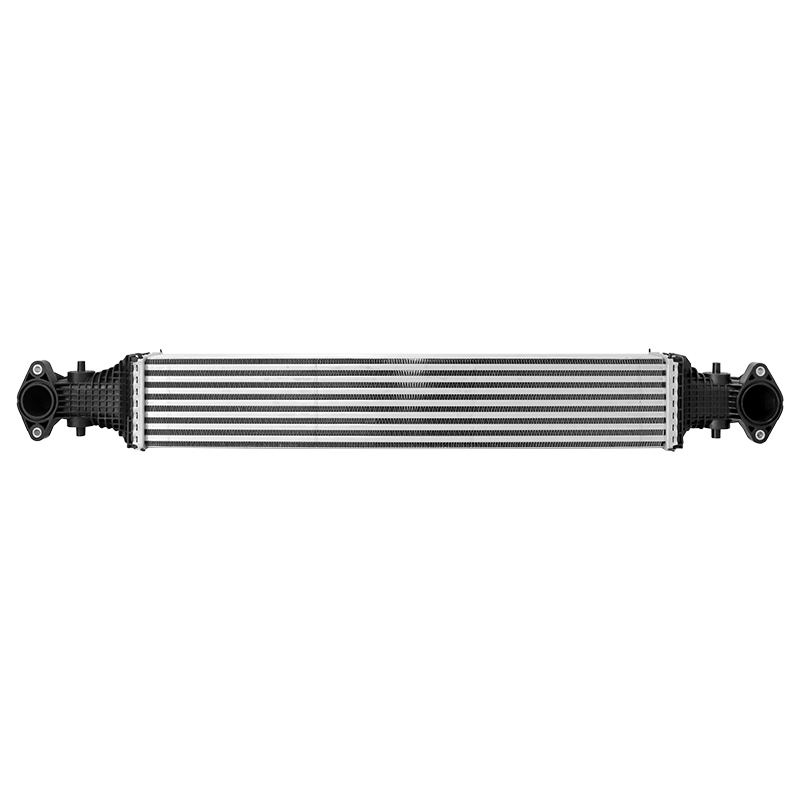 How does welding ensure the tightness and durability of HVAC Auto Intercooler?
Mar 20, 2025
In the manufacturing process of HVAC Auto Intercooler, welding process is the key link to ensure its sealing and durability. Intercooler needs to withstand high pressure, high temperature and corrosive environment, so the welding quality directly affects its performance and service life. The following are specific methods and technical details to ensure welding sealing and durability:
1. Selection of welding method
(1) TIG welding (tungsten inert gas shielded welding)
Advantages: TIG welding can provide high-quality welds, suitable for materials such as aluminum alloy, with good sealing and aesthetics.
Applicable scenarios: Suitable for small batch production or occasions with extremely high requirements for weld quality.
Precautions:
Use high-purity argon as shielding gas to avoid oxidation.
Control the current and welding speed to prevent overheating from causing material deformation or embrittlement.
(2) Laser welding
Advantages: Laser welding has concentrated energy, small heat-affected zone, fast welding speed, and high weld strength.
Applicable scenarios: Suitable for large-scale production, especially for intercoolers with high precision requirements.
Notes:
The laser power and focus position need to be precisely controlled to avoid excessive penetration or insufficient welding.
The surface cleanliness of the material is high, and oil and oxide layers need to be removed in advance.
(3) MIG welding (metal inert gas shielded welding)
Advantages: High welding efficiency, suitable for thicker metal materials such as stainless steel or aluminum alloy.
Applicable scenarios: Suitable for medium-scale production, especially for cost-sensitive applications.
Notes:
It is necessary to select appropriate welding wire materials to match the base material.
Control welding parameters (such as voltage, wire feed speed) to reduce spatter and porosity.
(4) Brazing
Advantages: Suitable for thin-walled structures and parts with complex shapes, and can achieve uniform connection.
Applicable scenarios: Commonly used in the manufacture of aluminum intercoolers.
Notes:
The selection of brazing material needs to match the base material to ensure good wettability and bonding strength.
The heating temperature needs to be precisely controlled to avoid overheating and material performance degradation.
2. Material preparation and pretreatment
(1) Material cleaning
Removal of oxide layer: Use mechanical grinding or chemical cleaning (such as pickling) to remove the oxide layer and contaminants on the material surface to ensure that the welding area is clean.
Drying treatment: Ensure that there is no moisture or oil on the material surface before welding to avoid pores or cracks during welding.
(2) Material matching
Ensure that the chemical composition and thermal expansion coefficient of the welding material (such as welding wire, brazing material) match the parent material to reduce welding stress and crack risk.
(3) Assembly accuracy
Before welding, ensure that the assembly gap of the components is uniform and meets the design requirements. Too large a gap may result in insufficient welding, while too small a gap may increase the difficulty of welding.
3. Welding parameter optimization
(1) Heat input control
Excessive heat input can cause material overheating, deformation, and even grain coarsening, reducing the strength and corrosion resistance of the weld. Control the heat input within a reasonable range by adjusting the welding current, voltage, and speed.
(2) Shielding gas
For TIG and MIG welding, select a suitable shielding gas (such as argon, helium or mixed gas) and ensure sufficient gas flow to avoid oxidation of the weld.
(3) Cooling rate
Control the cooling rate after welding to avoid residual stress or cracks caused by rapid cooling. For some materials (such as aluminum alloys), preheating or post-heat treatment can be used to improve welding performance.
4. Weld quality inspection
(1) Nondestructive testing
Penetrating testing (PT): used to detect cracks and defects on the weld surface.
Radiographic testing (RT): used to check for porosity, slag inclusions or lack of fusion inside the weld.
Ultrasonic testing (UT): used to evaluate the integrity and thickness of the weld.
(2) Pressure test
After welding is completed, the intercooler is subjected to an airtightness test (such as air pressure) or a water pressure test to verify its sealing performance.
(3) Microscopic analysis
Perform metallographic analysis on the weld to observe the uniformity of the weld structure and whether there are defects (such as cracks and pores).
5. Measures to improve durability
(1) Anti-fatigue design
By optimizing the weld geometry (such as fillet transition design), stress concentration is reduced and the fatigue resistance of the weld is improved.
(2) Anti-corrosion treatment
After welding, the weld and the entire component are subjected to anti-corrosion treatment (such as anodizing, coating or plating) to enhance their corrosion resistance.
(3) Post-processing process
Heat treatment: Annealing or tempering the welded parts to eliminate welding residual stress and improve the toughness and durability of the material.
Surface polishing: Mechanical polishing or electrolytic polishing is used to improve the surface quality of the weld and reduce the risk of corrosion.
The above methods can ensure the high performance of the intercooler while ensuring its reliability and safety under harsh working conditions.
Are Auto Side Mirrors aerodynamically designed to reduce wind noise and fuel consumption?
Mar 14, 2025
The design of automatic side mirrors plays an important role in modern car manufacturing. Its main purpose is to optimize aerodynamic performance to reduce wind noise and fuel consumption. With the development of the automobile industry, more and more manufacturers are adopting streamlined design, electronic folding function and even digital mirrors to improve fuel economy and driving comfort.
1. Aerodynamic Optimization
Aerodynamic principles are crucial in car design, especially when driving at high speeds, air resistance will directly affect fuel consumption and noise levels. Traditional side mirrors may generate large turbulence when the air flows, increase air resistance (Drag), and thus affect the fuel economy of the car. Modern automatic side mirrors optimize aerodynamic performance in the following ways:
Streamlined design: The side mirrors of modern cars usually adopt a more rounded shape to reduce the formation of air turbulence, allowing air to flow more smoothly through the mirror surface, thereby reducing wind resistance.
Tilt angle optimization: The air flow direction is taken into account during the design to ensure that the airflow can pass smoothly through the edge of the mirror, reduce the turbulent area, and reduce wind noise and air resistance.
Air Channels: Some high-end models have air channels designed in the rearview mirrors to make the air flow along a specific path, reduce the turbulence caused by the airflow hitting the mirror surface, and reduce noise.
2. Wind Noise Reduction
Wind noise is a common problem when the vehicle is driving at high speed, and the rearview mirror is one of the main sources of wind noise. Traditional rearview mirrors are angular and easy to generate vortices when the air flows, which increases the noise in the cockpit and affects the driving experience.
Integrated bracket design: Many modern models of automatic side rearview mirrors use a more compact bracket design to reduce the wind noise caused by air hitting the bracket.
Edge optimization: Use smooth edges or add tiny guide structures to make the airflow more evenly distributed around the mirror surface, thereby reducing noise.
Intelligent electric folding: When driving at high speed, the rearview mirrors of some vehicles can automatically adjust the angle or fold to further reduce wind resistance and wind noise.
3. Fuel Efficiency Improvement
Reducing air resistance is crucial to improving fuel economy, especially when driving at high speeds, where air resistance accounts for a large part of fuel consumption.
Air resistance reduction: By optimizing the shape of the rearview mirror, the airflow is smoother, reducing the resistance that the car needs to overcome, thereby reducing fuel consumption.
Digital Side Mirror: Some high-end electric vehicles (such as Audi e-tron and Honda e) have adopted electronic rearview mirror technology, using small cameras instead of traditional mirrors to significantly reduce air resistance and increase driving range.
4. Auto Folding Feature
The auto folding feature is not only for parking convenience, but also part of the optimized aerodynamic design. When the side mirrors are not needed (such as when parking), the system can automatically fold the mirrors to reduce the protruding part of the car body, thereby reducing wind resistance and energy consumption caused by air turbulence.
The design of the automatic side mirrors conforms to the principles of aerodynamics and plays an important role in reducing wind noise and fuel consumption. Through streamlined design, optimized air guides, electronic folding, and digital rearview mirrors, modern cars can reduce air resistance at high speeds, improve fuel efficiency, and provide a quieter driving experience. In the future, with the application of more intelligent and electronic technologies, the aerodynamic performance of automatic side mirrors will be further optimized, making greater contributions to energy conservation and environmental protection of automobiles.
 Are Kinfor Truck Accessories prone to aging or damage after long-term use?
Mar 04, 2025
The question of whether Kinfor Truck Accessories' truck accessories are prone to aging or damage after long-term use can be analyzed from multiple angles. The following is a detailed answer:
Product materials and anti-aging performance
Kinfor Truck Accessories usually uses high-quality materials to manufacture its products. The selection of these materials directly affects the durability and anti-aging ability of the accessories:
High-strength steel: Many accessories (such as bumpers, side skirts, etc.) use high-strength steel, which has excellent impact resistance and deformation resistance. After galvanizing or coating, it can also effectively prevent rust.
Aluminum alloy: Some lightweight accessories (such as pedals and decorative strips) may use aluminum alloy, which is not only light in weight but also has good corrosion resistance.
Engineering plastics: For some functional accessories (such as lampshades and sealing strips), weather-resistant engineering plastics may be used to resist the effects of ultraviolet rays and extreme temperatures.
The use of these high-quality materials makes Kinfor's products less likely to age or damage quickly over time under normal circumstances.
Design and manufacturing process
In addition to the material, Kinfor's product design and manufacturing process also play an important role in its long-term reliability:
Structural optimization: The design of accessories fully considers stress distribution and load capacity to avoid fatigue fracture or deformation due to long-term use.
Precision manufacturing: Through advanced production processes (such as stamping, welding, injection molding, etc.), the dimensional accuracy and assembly quality of the product are ensured, thereby reducing early damage caused by manufacturing defects.
Strict testing: Before leaving the factory, the product usually undergoes a series of rigorous tests (such as tensile testing, impact testing, corrosion resistance testing, etc.) to verify its reliability under various working conditions.
These design and process advantages enable Kinfor's accessories to maintain a long service life under normal use conditions.

Problems that may occur in long-term use
Although Kinfor's accessories have advantages in quality and design, some aging or damage may still occur in long-term use, including:
Surface corrosion: Even with anti-corrosion coating, if the vehicle is exposed to high humidity, salt spray or chemical environment for a long time, slight surface rust may still occur.
Mechanical fatigue: Some dynamic parts (such as hinges, springs, etc.) may fatigue after frequent use, resulting in performance degradation.
External damage: Accidental impact, scratches or other external forces may cause partial damage to accessories.
Sealing failure: For accessories involving sealing functions (such as waterproof lampshades, sealing strips, etc.), the sealing performance may deteriorate after long-term use.
How to delay aging and damage
In order to maximize the service life of Kinfor truck accessories, users are advised to take the following measures:
Regular cleaning: Keep the surface of the accessories clean, especially remove mud, salt or other corrosive substances.
Lubrication and maintenance: Regularly apply lubricating oil to moving parts (such as hinges, slides, etc.) to reduce friction and wear.
Inspection and maintenance: Regularly check the status of accessories, find and repair minor problems in time, and avoid problems from expanding.
Avoid overload use: Strictly use according to the load limit in the product instructions to avoid damage caused by overload.
Professional installation: Ensure that the accessories are properly installed by professionals to avoid early failures caused by improper installation.
After-sales service support
If Kinfor's accessories do age or become damaged after long-term use, users can contact the brand for after-sales support:
Warranty policy: Most products may come with a certain period of warranty service, covering problems caused by material or manufacturing defects.
Repair or replacement: For accessories that are out of warranty, Kinfor may provide repair services or preferential replacement options.
Technical support: Users can consult maintenance suggestions by phone, email or online customer service to help solve specific problems.
In general, Kinfor Truck Accessories' truck accessories are not prone to significant aging or damage after long-term use, thanks to its high-quality materials, exquisite manufacturing process and strict quality control. However, no product can completely avoid the possibility of natural aging or accidental damage. Through reasonable use, regular maintenance and timely after-sales service support, users can significantly extend the service life of accessories and maintain their good performance.
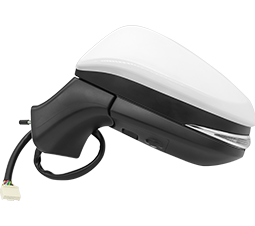 What are the basic functions and uses of Auto Side Mirror?
Feb 24, 2025
Auto Side Mirror is a common feature in modern cars, usually integrated with the vehicle's electronic system. Its basic functions and effects are as follows:
Basic functions
Automatic folding function
The automatic side mirror can automatically fold or unfold according to the vehicle's status (such as locked or unlocked), reducing the risk of the mirror being scratched when parking, especially in narrow parking spaces or crowded environments.
Electric adjustment function
The driver can adjust the angle of the side mirror through the control button in the car to adapt to the vision needs of different drivers.
Heating function
In cold or wet weather conditions, the built-in heating element of the side mirror can quickly remove frost, fog or water droplets on the mirror surface to ensure a clear rear view.
Memory function
With the seat memory system, the angle setting of the side mirror can be saved together with the driver's seat position and steering wheel position, which is convenient for different drivers to quickly switch personalized settings.
Reversing automatic tilting function
When the vehicle is in reverse gear, the side mirror on the passenger side will automatically tilt down to help the driver better observe the roadside or obstacles, especially when parallel parking or reversing into a garage.
Blind Spot Monitoring Assistance
The side mirrors of some high-end models are integrated with a blind spot monitoring system, which detects the blind spots on both sides of the vehicle through sensors and displays warning lights on the lenses to alert the driver to potential dangers.
Function
Improve safety
Through functions such as heating and blind spot monitoring, it ensures that the driver can get a clear view in all weather and road conditions, reducing the risk of accidents.
Enhanced convenience
The automatic folding, electric adjustment and memory functions greatly simplify the driver's operation and improve the car experience, especially when multiple people share a car.
Protect the vehicle
The automatic folding function can effectively prevent the side mirrors from being scratched or damaged when parking, extending their service life.
Optimize space utilization
In narrow spaces, the automatic folding function can help the vehicle better adapt to the environment and avoid unnecessary collisions.
The core role of Auto Side Mirror is to improve driving safety and convenience while protecting the vehicle's external components. It combines a variety of intelligent functions to provide drivers with a more comfortable and efficient driving experience, and is one of the important manifestations of the intelligent development of modern automobiles.
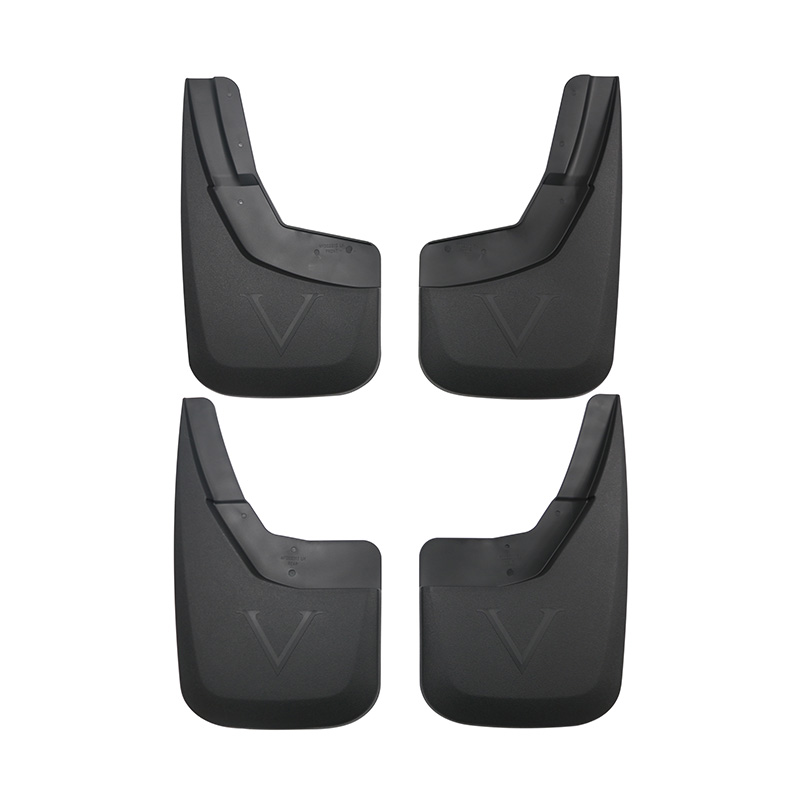 How is the impact and fatigue resistance of Mud Flaps?
Feb 20, 2025
The impact resistance and fatigue resistance of Mud Flaps are important indicators of their performance, which directly affect their reliability and durability in complex road conditions and long-term use. The following is a detailed analysis of their impact resistance and fatigue resistance:
Impact resistance
Definition and importance: Impact resistance refers to the ability of the fender to resist external impact or sudden force. This determines whether the fender can remain intact under high-speed driving, gravel splashing or other unexpected situations.
Influencing factors:
Material selection: Different materials have significant differences in their ability to withstand impact. For example:
Rubber fenders: They have good flexibility and cushioning properties and can absorb part of the impact energy, but may deform under extreme impact.
Plastic fenders: They are light and low-cost, but are prone to cracking under high-intensity impact.
Composite fenders: They combine strength and flexibility and are suitable for high-impact environments.
Thickness and structural design: Thicker fenders generally have better impact resistance, but they increase weight. Reasonable structural design (such as reinforcement or layered structure) can improve impact resistance.
Installation method: If the fender is not firmly fixed, it may loosen or even fall off when impacted.
Actual performance:

When driving at high speed, the fender needs to resist the impact of flying stones, sand or other debris.
In off-road or harsh road conditions, the fender may directly contact larger obstacles, so higher impact resistance is required.
Fatigue resistance
Definition and importance: Fatigue resistance refers to the ability of the fender to maintain its structural integrity under repeated vibration, bending or stress. This is especially important for vehicles used for a long time.
Influencing factors:
Material properties: Some materials are prone to cracking or breaking under repeated stress. For example:
Rubber: It has good flexibility, but it may age in high temperature or ultraviolet environment, resulting in reduced fatigue resistance.
Plastic: It is light and easy to process, but it may become brittle after long-term use.
Metal: It has high strength but heavy weight, suitable for scenes with extremely high fatigue resistance requirements.
Use environment: Frequent vibrations (such as bumpy roads) or temperature changes (such as thermal expansion and contraction) will accelerate material fatigue.
Design optimization: Fatigue resistance can be improved by reducing stress concentration points (such as smooth transition edge design) and increasing support structures.
Actual performance:
When driving on rough roads for a long time, fenders need to withstand continuous vibration and bending stress.
Under extreme climatic conditions (such as high or low temperatures), aging of materials may lead to decreased fatigue resistance.
The impact resistance and fatigue resistance of fenders are key performance indicators to ensure their long-term stable operation in complex environments. By selecting suitable materials, optimizing structural design and improving manufacturing processes, the durability and reliability of fenders can be significantly improved. At the same time, with the development of technology, fenders will achieve more breakthroughs in performance and function in the future to meet diverse needs.
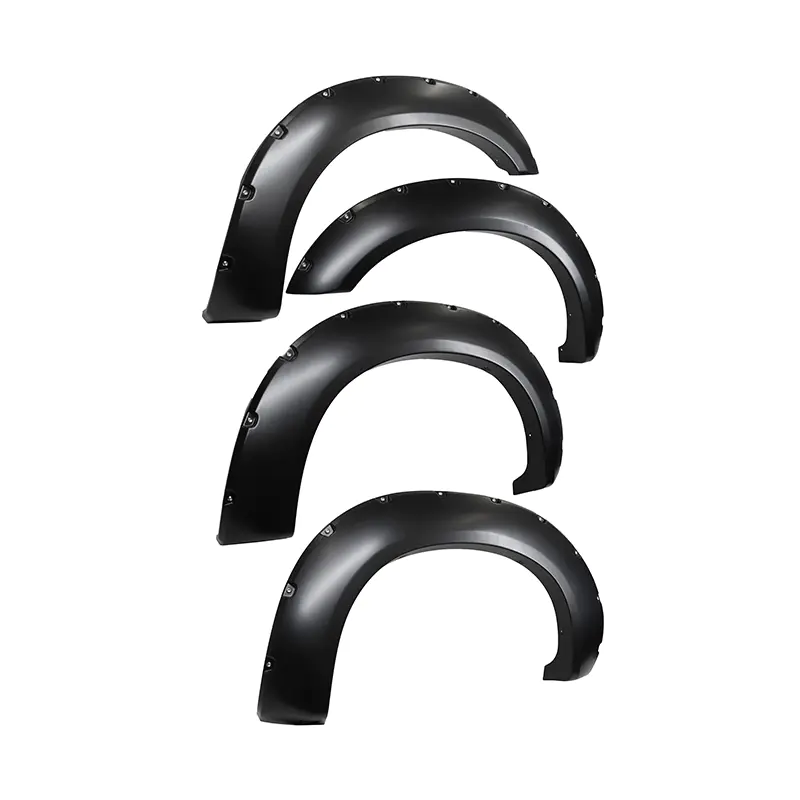 How durable and impact-resistant are Fender Flares?
Feb 13, 2025
Durability and impact resistance are key features of Fender Flares, which directly affect their performance in different usage environments. These properties are mainly determined by the material, design, and manufacturing process. Here is a detailed analysis:
The impact of materials on durability and impact resistance
Different materials give Fender Flares different durability and impact resistance. Here is a performance comparison of common materials:
ABS plastic (Acrylonitrile Butadiene Styrene)
Durability:
ABS plastic has good weather resistance and aging resistance, suitable for daily driving.
May fade or crack after long-term exposure to UV rays or extreme temperatures.
Impact resistance:
Strong impact resistance, can withstand minor collisions and stone splashes.
But it may break when facing severe impact or heavy objects.
Polyurethane
Durability:
Polyurethane is more durable than ABS and has excellent flexibility and tear resistance.
Stability under extreme conditions (such as high or low temperatures).
Impact resistance:
Excellent impact resistance, not easy to crack or deform even under strong impact.
Ideal for heavy off-road and harsh road conditions.
Stainless steel or aluminum
Durability:
Metal materials are very durable and are almost never damaged by aging or environmental factors.
Stainless steel has excellent corrosion resistance, while aluminum is lighter.
Impact resistance:
High impact resistance, able to withstand strong external impact.
But metal materials may have permanent dents after severe impact.
Fiberglass

Durability:
Fiberglass is strong but brittle, and may crack after long-term use.
Sensitive to UV rays, surface treatment is required to improve weather resistance.
Impact resistance:
Average impact resistance, easy to break in severe collisions.
Suitable for customized design, but not suitable for high-intensity use scenarios.
How Design Affects Durability and Impact Resistance
In addition to the material, the design of Fender Flares also affects their durability and impact resistance:
Thickness and Construction
Thicker materials generally have higher impact resistance.
Internal ribs or support structures can increase overall strength and reduce the possibility of deformation.
Surface Treatment
Coating or spraying can enhance weather resistance and protect against UV rays, chemicals and moisture.
High-quality surface treatments can also enhance appearance and extend service life.
Mounting Method
Bolt-on designs are generally more secure than glue-on or snap-on designs and can better disperse impact forces.
If improperly installed (such as over-tightening bolts or unevenly glueing), it can cause stress concentration and reduce impact resistance.
How Environment Affects Durability and Impact Resistance
The performance of Fender Flares will vary depending on the environment in which they are used:
Daily Driving
When driving on city roads or highways, Fender Flares are mainly exposed to light stone splash and rain erosion.
ABS plastic or fiberglass materials are sufficient.
Light Off-Road
In light off-road environments, Fender Flares may come into contact with branches, mud, and small rocks.
Polyurethane is more suitable for such scenarios due to its flexibility and impact resistance.
Heavy Off-Road
In heavy off-road or extreme environments, Fender Flares need to withstand greater impact forces, including rock scrapes and severe vibrations.
Stainless steel or polyurethane are the best choices because they can withstand high-intensity external impacts.
Extreme Climate
In hot, cold or rainy environments, Fender Flares need to be made of materials that have good weather resistance.
Polyurethane and stainless steel perform better in extreme climates.
The durability and impact resistance of Fender Flares are mainly determined by the material, design, and the environment in which they are used. ABS plastic is suitable for daily driving, polyurethane is suitable for light to heavy off-roading, and stainless steel and aluminum materials are suitable for extreme conditions. To ensure its long-term performance, it is recommended to choose a high-quality product and maintain it regularly.
 What maintenance is required for the HVAC Auto Condenser to ensure smooth operation?
Feb 06, 2025
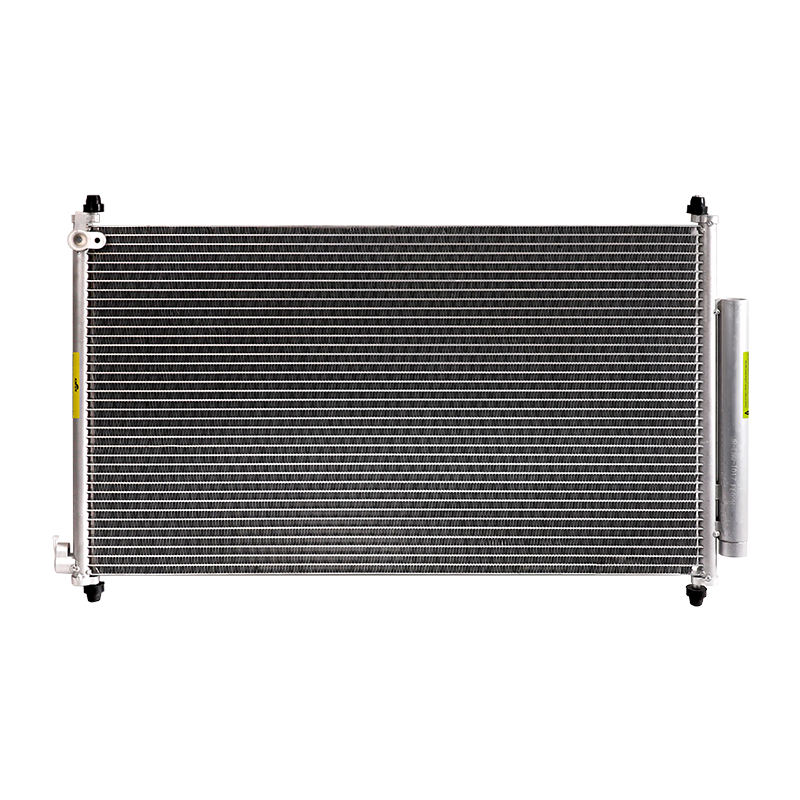
To ensure stable and efficient operation of the HVAC Auto Condenser, regular inspection and maintenance are required. This will not only improve the efficiency of the system, but also extend the life of the equipment and reduce the occurrence of failures. Here are some of the main inspection and maintenance tasks, covering the important parts and operation links of the condenser.
Regularly check the inlet and outlet pipes of the condenser for blockages, cracks or corrosion. If dirt, oil or scale is found, it needs to be cleaned or replaced. Blockage of pipes will reduce the cooling efficiency and may even cause damage to the system.
Dust, dirt or scale often accumulates on the condenser fins, affecting the heat exchange efficiency. Use a soft brush or compressed air to clean the fins, and avoid using high-pressure water to clean them to avoid damaging the fins.
Check if the fins are bent or falling off. Damaged fins will affect the air flow and heat exchange efficiency of the condenser. If necessary, you can use a fin repair tool to restore the fins to their original state or replace damaged fins.
Regularly check whether the fan is running normally and whether there is any abnormal noise or vibration. If the fan makes abnormal noise, it may be due to worn bearings or loose fan blades. Repair or replace the fan in time.
Dust and dirt may accumulate inside the fan, affecting its operating efficiency. You can use a vacuum cleaner to clean the fan blades to ensure that the fan runs smoothly. If the fan blades are severely worn, you should consider replacing them.
Check the operating condition of the motor to ensure that the motor is not overheating, getting hot, or malfunctioning. Lubricate the motor bearings regularly to reduce friction and extend the service life.
Check whether there is enough refrigerant in the condenser system. If there is not enough refrigerant in the system, it may cause the condensing efficiency to decrease or the system to operate erratically. Use appropriate tools to check the refrigerant pressure to ensure that it meets the system specifications. If the pressure is abnormal, the refrigerant may need to be replenished or replaced.
Regularly check the condenser and piping system for refrigerant leaks. You can use a gas detection instrument or soapy water to check for signs of leaks in joints, welds, etc. If a leak is found, repair it in time.
Ensure that the operating pressure of the condenser is within a reasonable range. If the condenser operating pressure is found to be too high or too low, it may be a sign of reduced condenser efficiency or other malfunctions. Adjust the system pressure according to the equipment specifications to ensure normal operation.
Regularly check that the electrical connections of the condenser are secure and not loose or corroded. Loose electrical connections may cause unstable current flow, affect equipment performance, and may even cause electrical failures.
Electrical components such as contactors, relays, control panels, etc. need to be checked and cleaned regularly. Clean dust and dirt to avoid affecting the conductivity and operational reliability of electrical components.
If the condenser fails to start or the power is unstable, check whether there is an electrical fault. Regularly check and test the electrical system to ensure that the electrical components are operating normally.
Regularly check whether the temperature control device of the condenser is working properly. Allergic or failed thermostats can cause the condenser to overcool or overheat, affecting the overall efficiency and system stability. Test the response sensitivity of the thermostat to ensure the accuracy of the temperature control system.
Check whether the automatic adjustment system (such as variable frequency drive, automatic adjustment valve, etc.) can adjust the condensing efficiency according to load changes. If there is a problem with the adjustment system, it may cause the system to be unable to effectively respond to load changes, thereby affecting energy efficiency.
The external ambient temperature of the condenser has an important impact on its operating efficiency. Regularly check the temperature, humidity and other factors of the condenser installation environment to ensure that it operates in a suitable environment. If the equipment is installed outdoors, make sure there are no excessive debris, branches or other obstacles around the equipment that block air circulation.
Regularly clean up debris, leaves, garbage, etc. around the condenser to ensure smooth air circulation. If the air inlet or outlet of the condenser is blocked, the condensation effect will be significantly reduced.
If the condenser vibrates excessively, there may be a problem with the fan, motor or piping system. Regularly monitor the vibration of the condenser during operation and check the balance and fixation of related components.
Excessive noise usually means that mechanical parts (such as fans, motors, bearings, etc.) are worn or faulty. Regularly check the noise level of the equipment during operation and perform maintenance in a timely manner.
Regularly check the control panel of the condenser to ensure that the various control buttons and indicator lights are working properly. Check for abnormal indications or fault prompts to eliminate potential faults in the system in a timely manner.
The alarm system of the condenser needs to be tested regularly to ensure that the alarm can be issued in time when abnormalities (such as overheating, overload, etc.) occur to avoid equipment damage.
Regularly lubricate the mechanical parts of the condenser such as the fan and motor bearings. Use the right lubricant to avoid excessive friction that causes excessive wear of components, which affects the efficiency of equipment operation.
Regular inspection and maintenance of HVAC Auto Condenser is a key measure to ensure stable operation of the equipment, improve energy efficiency, and extend service life. By checking the condenser pipes, fans, electrical systems, automatic adjustment functions, and external environment, potential faults can be discovered and repaired in time to avoid unnecessary downtime and maintenance costs. Regular maintenance not only ensures system efficiency, but also reduces energy consumption and improves equipment reliability and stability.
 What factors should be considered when choosing a Tonneau Cover?
Jan 30, 2025
When choosing a Tonneau Cover, you do need to consider several factors to ensure that you get the style and type that best suits your needs. Here are some key factors to help you make a more informed decision:
Purpose and Needs
First, be clear about the main purpose of your Tonneau Cover. Different needs may determine the type you choose:
Waterproof protection: If you often use your pickup truck in rainy or wet conditions, it is important to choose a cover with good waterproof performance. Hard shell or soft top PVC/canvas covers usually provide good waterproofing.
Security and anti-theft: If you need to store valuables frequently or want to increase the security of your vehicle, a hard shell Tonneau Cover or a soft top cover with a locking device is a better choice. Hard shell covers are usually more difficult to pry open and can better prevent theft.
Convenience: If you often need to quickly open the vehicle to load and unload cargo, a roll-up or folding Tonneau Cover provides a more convenient way to open and close. These covers can usually be opened in seconds and are suitable for occasions where frequent entry and exit are required.
Types of Tonneau Covers
Which type of Tonneau Cover to choose is an important decision. Different types of Tonneau Cover have different advantages and disadvantages:
Roll-up: This type is usually very convenient and can be rolled up and put away quickly, suitable for users who do not need to completely close the compartment for a long time. Its disadvantage is that it is relatively less sturdy than the hard shell type and has poor anti-theft performance.
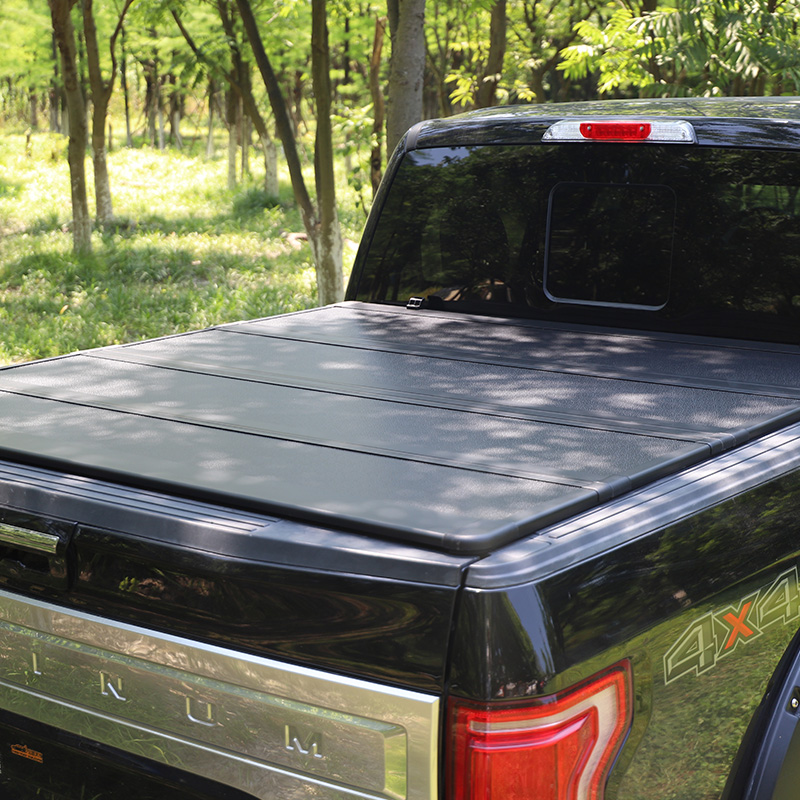
Hard Shell: Hard shell Tonneau Cover is usually made of sturdy materials (such as aluminum alloy, composite materials, etc.), providing stronger protection. It is suitable for those who need extra security or want to keep the appearance of the compartment neat. Its disadvantages are heavy weight, relatively complicated installation, and high price.
Folding: Folding cover combines the advantages of roller shutter and hard shell, and can be folded into several sections, which is convenient for transporting goods while providing relatively good security. Its disadvantage is that if it is not closed tightly, it may cause some moisture to penetrate into the compartment.
Soft Top: Soft top cover is usually made of canvas or PVC material, which is relatively cheap and easy to install. It is suitable for users with limited budget or daily light use. Its disadvantages are poor impact resistance, low durability, and easy to be affected by weather.
Material and Durability
The material of the Tonneau Cover directly affects its durability, impact resistance, UV resistance, etc.:
Hard materials: such as aluminum alloy, composite materials, etc., usually have good pressure resistance, UV resistance, and can withstand heavier loads. Covers made of these materials are more durable and suitable for long-term use.
Soft materials: such as canvas, PVC, etc., these materials are usually lighter, simple to install, and suitable for consumers with a lower budget. However, soft material Tonneau Covers are susceptible to weather, UV rays and mechanical wear and tear, and have a shorter service life.
Waterproof performance: Check the waterproof performance of the selected material. Some soft material covers may not be as perfect as hard covers in waterproof effect, especially in rainy or snowy weather.
Ease of installation and removal
The ease of installation and removal is also an important factor that must be considered when choosing, especially if you need to remove the cover frequently to load large items.
Simple installation: Soft top or roller curtain Tonneau Covers are usually easy to install, and many styles can even be completed by the owner at home. They generally do not require special tools, only a few simple fixings.
Complex installation: Hard shell Tonneau Covers usually require more complex installation, which may involve the use of tools and even require professional help to install. Some hard shell covers may also require additional brackets and sealing strips, which are relatively troublesome to install.
Anti-theft
Anti-theft is an important selection factor for car owners who need to store valuables frequently. Hard shell Tonneau Covers are usually safer than soft top covers because they can provide higher anti-pry capabilities. In particular, some hard shell covers have locking mechanisms, which can effectively prevent criminals from stealing items in the car compartment. Although soft top covers are cheaper, their anti-theft performance is poor, especially soft top covers without locking mechanisms, which are easy to be pried open.
Budget
The price of Tonneau Covers ranges from a few hundred yuan to a few thousand yuan, and budget is one of the important factors in selection. Soft top Tonneau Covers are usually the most affordable option, while hard shell covers are more expensive. The price of folding and rolling curtains is usually in between. When purchasing, you need to balance your choice based on your personal budget and usage needs. Consumers with tighter budgets can choose cost-effective soft tops or roll-up covers, while consumers with more generous budgets can choose hard shell or high-end folding covers.
Aerodynamics and Fuel Consumption
Certain types of Tonneau covers (especially hard shell and folding types) can improve the aerodynamic performance of pickup trucks and reduce wind resistance, thereby helping to improve fuel efficiency. By reducing the interference of wind flow, the vehicle's fuel economy can be improved, especially at highway speeds. Although this improvement is usually not very significant, it is still a certain economic benefit for owners who often drive long distances.
Cabin Size and Compatibility
Each Tonneau Cover is designed to fit a specific vehicle model and cabin size. When choosing, it is important to make sure that the cover you choose matches the size of your pickup truck cabin. If the cabin size is larger or has a special design, you may need to customize or choose a specially designed Tonneau Cover. In addition, the structure of the sides of the cabin (such as the shape of the tailgate, the design of the cabin edge) may also affect the installation effect of the Tonneau Cover.
Aesthetics
While functionality is usually the first consideration, appearance may also influence your choice. Some Tonneau Cover designs focus more on body lines and streamlines, which can complement the appearance of the body and enhance the overall beauty of the pickup truck. Especially for hard shell Tonneau Covers, they sometimes have sprayed surfaces or customized patterns, which can provide a more stylish and personalized appearance.
Brand and quality
There are many different brands of Tonneau Covers on the market, and the quality, after-sales service and reputation of each brand are different. It is best to choose a well-known brand when choosing, check user reviews, professional reviews, etc., to ensure that the purchased Tonneau Cover has high quality and reliability.
When choosing a Tonneau Cover, comprehensively considering factors such as use requirements, cover type, material, installation difficulty, budget, safety and aesthetics can help you find the most suitable product. When purchasing, you should combine the actual use situation, the size of the car compartment, and your specific needs for waterproof, anti-theft and other functions, and finally make a wise choice.
How does Auto Side Mirror perform in terms of anti-fog, waterproof or anti-wind resistance design?
Jan 25, 2025
Auto Side Mirror's performance in anti-fog, waterproof and wind resistance design. With the advancement of technology and the increase in consumer demand for safety, comfort and performance, modern car side mirrors have made significant improvements in these three aspects. The following is a detailed explanation of the design performance of each aspect:
Anti-fog design
Heating function: Many car side mirrors are equipped with a heating function, which is usually part of the anti-fog design. By building a heating cable or resistor under the mirror, when the owner turns on the heating function, the mirror temperature rises, which can effectively remove water vapor or fog on the mirror. This heating function ensures that the driver's vision remains clear in humid environments, such as rainy days or cold weather.
Anti-fog coating: Some side mirrors use special anti-fog coatings that can reduce condensation of water and prevent the mirror from fogging. These coatings reduce the adhesion of water droplets by changing the surface tension of the mirror, making it easier to remove water droplets.
Automatic adjustment function: The side mirror design of some high-end models uses intelligent automatic adjustment technology, which can automatically enable the anti-fog function according to changes in ambient temperature and humidity, providing a more intelligent fog removal solution.
Waterproof design
Sealed structure design: The shell design of modern car side mirrors usually has a high degree of sealing, and rubber sealing strips or waterproof rubber rings are used to protect the internal circuit from moisture intrusion. This design effectively prevents rain, snow or sewage from penetrating into the interior of the side mirror, especially for side mirrors with electric adjustment, heating or other electrical functions, ensuring its long-term stable operation.
Waterproof coating and materials: Some side mirror shells use waterproof coatings or special materials, such as waterproof plastics or aluminum alloys, which not only resist water intrusion, but also have anti-corrosion properties, which help to extend the service life of the side mirror.
Mirror surface design: The mirror surface of the side mirror can also be designed to be a surface that water droplets are not easy to adhere to, such as using a water drop elastic coating, so that when water droplets contact the mirror surface, they will slide down quickly and are not easy to gather on the mirror surface to affect the field of vision.
Anti-wind resistance design
Streamlined shape design: The shell of the side mirror adopts a streamlined design to reduce air resistance and wind noise. Designers optimize the shape of the side mirror to make it more harmonious with the overall body streamline of the vehicle, reduce the impact of air on the side mirror during driving, and thus reduce wind resistance. This design not only improves the fuel efficiency of the car, but also reduces noise pollution during driving.
Wind resistance optimization technology: In addition to the streamlined design, some car side mirrors are also optimized by wind tunnel testing, so that the mirror surface and supporting structure produce less airflow interference when driving at high speed. Through such optimization, the overall wind resistance coefficient of the vehicle is improved, especially when driving on the highway, which can improve the stability of the vehicle.
Adjustable mirror angle: The side mirrors of some high-end models support electric adjustment function, and the driver can adjust the mirror angle according to different driving environments. By adjusting the angle, wind resistance and vibration can be reduced when driving at high speed, further reducing the impact of wind resistance.
The performance of Auto Side Mirror in anti-fog, waterproof and anti-wind resistance design has become more sophisticated and efficient with the continuous advancement of technology. Anti-fog design mainly relies on heating and special coatings to ensure a clear view; waterproof design protects the mirror surface and internal components through sealing structure, special materials and coatings; anti-wind resistance design reduces air resistance by optimizing shape, using streamlined shell and wind resistance optimization technology. Overall, the combined use of these designs significantly improves driving safety and comfort, while also helping to improve the vehicle's fuel efficiency and stability.
 How do Mud Flaps perform in high and low temperatures and extreme weather conditions?
Jan 17, 2025
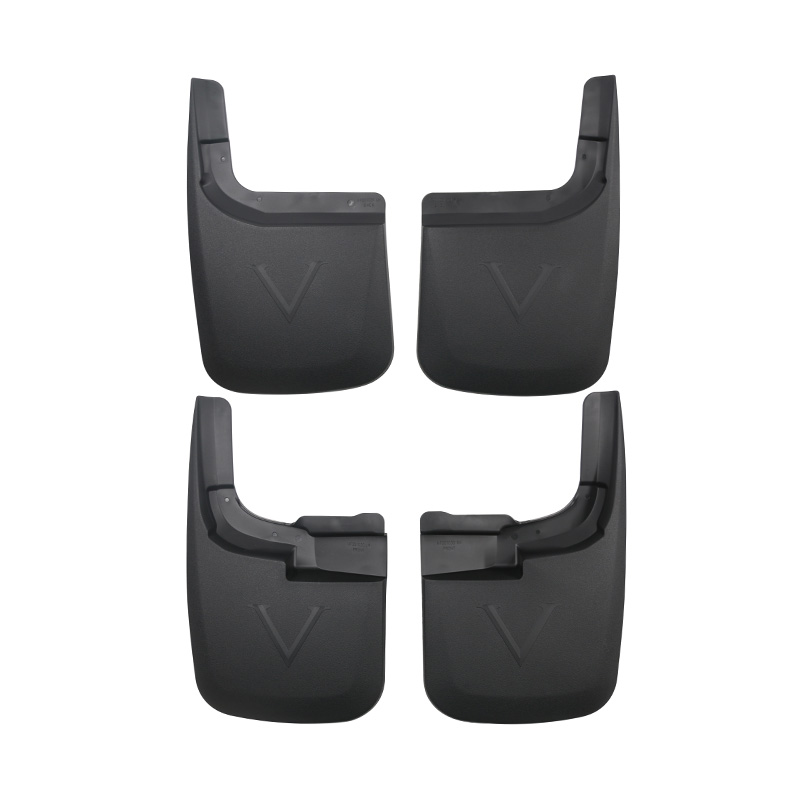
Mud Flaps perform differently under different ambient temperature conditions, especially in high and low temperatures and extreme climate conditions, the material, structure and protective function of the fender may be affected. Therefore, understanding the performance of the fender in these environments is crucial to choosing the right fender.
In high temperature environments, the heat resistance of the fender material is a key factor in determining its performance. Common fender materials include rubber, plastic, composite materials and metal materials, and different materials have different high temperature resistance capabilities:
Rubber has good elasticity and impact resistance, but in high temperature environments, especially long-term exposure to sunlight, rubber may age, harden or crack. This is because rubber materials will decompose under the influence of heat, causing their surface to become brittle, and their impact resistance and durability will decrease. Especially when the temperature is above 40°C, the service life of rubber may be shortened.
Plastic fenders are usually lighter and more corrosion-resistant, but their physical properties may be affected in high temperature environments. For example, some plastic materials are easily deformed at high temperatures and lose their original rigidity, resulting in a decrease in the protective effect of the fender. In addition, plastics may age due to the influence of ultraviolet radiation, causing the surface to become brittle.
Composite fenders usually have good high temperature resistance and can maintain stability for a long time in high temperature environments. They are usually composed of multiple materials, have strong structural stability and corrosion resistance, and can better adapt to use in high temperature environments.
Metal fenders have good high temperature resistance, but may deform or oxidize at extremely high temperatures (such as temperatures exceeding 100°C), especially for metal materials that have not been specially treated. Therefore, in high temperature environments, metal fenders need to be coated with high temperature resistant coatings, or heat-resistant metal materials should be selected.
In low temperature environments, the material of the fender also needs to have a certain low temperature elasticity to prevent embrittlement, cracks or damage caused by low temperatures. The main problem at low temperatures is the hardening and increased brittleness of the material:
Under low temperature conditions, the elasticity of rubber decreases significantly, becomes more rigid, and is prone to cracks or breakage. Therefore, the low temperature environment has a greater impact on rubber fenders, especially in environments below -20°C, where the softness of rubber is almost lost, which affects the service life and protective effect of the fender.
Plastic materials will also become brittle at low temperatures, lose their original elasticity, and are prone to cracking or breaking, especially materials such as polypropylene (PP) and polystyrene (PS). In extremely cold weather, the strength of plastic fenders is significantly reduced, and long-term exposure to low temperatures may cause their surfaces to crack or break.
Composite materials usually contain cold-resistant components, perform better at low temperatures, and are not easy to become brittle or crack. Compared with rubber and plastic, composite fenders are more durable in low-temperature environments and can maintain better elasticity and strength, especially for use in extremely cold areas.
Metal materials usually increase in strength at low temperatures, but they also lose some toughness, making them easier to break. In particular, low-alloy steel and ordinary steel will have reduced impact resistance in extremely low temperature environments. Therefore, for metal fenders, alloy steel or surface treatment is usually used to improve their low-temperature resistance.
Extreme climates not only refer to high and low temperatures, but also include humidity, ultraviolet radiation, wind and sand, and many other factors, which will affect the performance of fenders:
In high humidity environments, especially in humid and rainy areas, fenders are easily eroded by water, especially metal fenders, which are prone to rust or corrosion. Plastic and rubber materials are more resistant to water in humid environments, but long-term exposure may also cause material aging or surface damage.
In areas with high ultraviolet radiation (such as deserts or high altitudes), fenders exposed to the sun for a long time may accelerate aging, resulting in material fragility, color fading, and reduced strength. Composite materials and metal fenders usually have good UV resistance, but rubber and some plastic materials are prone to cracking under strong ultraviolet radiation.
In sandstorms or desert environments, fenders need to withstand strong wind and sand erosion. The surface of the fender may be worn by sand particles, especially rubber and plastic materials, which are prone to wear and tear after long-term exposure to these environments, affecting the protective effect. Therefore, in these environments, it is a better choice to choose harder and more wear-resistant materials (such as composite materials).
In order to ensure that the mud flaps perform best in high and low temperatures and extreme climate conditions, it is important to choose the right materials and designs:
In high temperature environments, choosing high temperature resistant composite materials or heat-resistant rubber and metal materials can ensure that the mud flaps maintain good performance under long-term exposure to high temperatures.
In low temperature environments, the selection of rubber and plastic materials should pay special attention to low temperature elasticity, while composite materials can provide better low temperature adaptability.
For extreme climate conditions, mud flap materials with high corrosion resistance, UV resistance and wind and sand wear resistance should be selected.
Mud Flaps perform differently in high and low temperature and extreme climate conditions. Understanding the advantages and disadvantages of different materials in these environments will help to select the most suitable mud flaps according to actual use needs. For the long-term use of vehicles and mechanical equipment, choosing mud flaps of suitable materials and performing regular maintenance will help improve the protection effect, extend the service life, and ensure its stability and reliability in different environments.


+86-0571-26238568

Kangxin Road, Tangqi Town, Linping District, Hangzhou , Zhejiang , China






 English
 中文简体
中文简体
 русский
 Español
