Mounting a Rear View Mirror: What You Need to Know First
A rear view mirror can be mounted using one of two methods: adhesive bonding directly to the windshield or screw-on bracket attachment. For most modern vehicles, adhesive mounting is the standard approach—a small metal button is glued to the windshield glass, and the mirror bracket clips onto it. Screw-on mounts are more common on older vehicles, trucks, motorcycles, and aftermarket wide-angle or camera mirrors.
The full process takes 30 to 60 minutes of active work, plus a curing period of at least one hour (ideally 24 hours) before reattaching the mirror if you are using adhesive. Rushing the curing step is the single most common reason mirrors fall off shortly after installation.
Tools and Materials You Will Need
Gathering everything before you start prevents mid-job delays and ensures the adhesive does not begin curing before the button is properly positioned.
For Adhesive Windshield Button Method
- Rear view mirror adhesive kit (includes mirror mount button, adhesive capsule or two-part epoxy, and activator)
- Isopropyl alcohol (90% or higher) and clean lint-free cloths
- Razor blade or glass scraper (to remove old adhesive residue)
- Masking tape or a felt-tip marker (to mark the button position)
- Clean gloves (to prevent skin oils from contaminating the glass surface)
- A small piece of cardboard or backing (to handle the button without touching the bonding surface)
For Screw-On Bracket Method
- Replacement mirror bracket and mounting hardware (screws, washers)
- Flathead and Phillips screwdrivers or a trim removal tool
- Torx bit set (common on many OEM mirror mounts)
- Thread-locking compound (such as Loctite Blue 242) to prevent screw loosening from vibration
How to Mount a Rear View Mirror Using the Adhesive Button Method
This is the most common method for standard passenger vehicles. Follow each step carefully—skipping surface preparation or the curing period will almost certainly result in the mirror falling off within days or weeks.
Step 1: Remove the Old Mirror and Clean the Glass
- Slide the mirror off its bracket by pressing the release tab (usually a small lever or button on the underside of the mount) and pulling downward or forward.
- If the old button is still bonded to the windshield, use a razor blade held at a low angle to carefully scrape it off. Work slowly to avoid scratching the glass.
- Remove all residual adhesive using a razor blade, then wipe the area with isopropyl alcohol on a lint-free cloth. Let the area dry completely—any moisture or oil residue will prevent proper bonding.
Step 2: Mark the Button Position
- Sit in the driver's seat and identify the ideal mirror position—centered on your line of sight to the rear window, typically 2 to 4 inches below the top edge of the windshield and centered horizontally.
- Place a small strip of masking tape on the outside of the windshield (exterior surface) directly opposite the intended button location. This gives you a visible reference mark that will not interfere with the bonding area on the inside.
- Alternatively, use a felt-tip marker to make a small dot on the inside glass surface at the center of the bonding area—this wipes off easily with alcohol after the job is done.
Step 3: Apply the Activator
- Most rear view mirror adhesive kits include a small vial of activator (a primer that prepares the glass surface for bonding). Apply a thin, even coat of activator to the cleaned glass area using the applicator pad included in the kit.
- Allow the activator to dry for the time specified in the kit instructions—typically 3 to 5 minutes. Do not touch the treated area with bare fingers.
- Apply a small amount of activator to the flat bonding surface of the mirror button as well, and allow it to dry for the same duration.
Step 4: Apply Adhesive and Bond the Button
- Apply a small, pea-sized drop of rear view mirror adhesive to the center of the mirror button's bonding surface. Do not use excess adhesive—too much causes squeeze-out that weakens the bond and creates a messy appearance.
- Press the button firmly onto the marked position on the windshield, with the button tab pointing downward (for standard mirror clips) or in the correct orientation for your specific mirror model.
- Hold firm, even pressure on the button for 60 seconds without moving it. Any lateral movement during this initial phase can shear the bond before it sets.
- Release and allow the adhesive to cure. Do not attach the mirror or disturb the button for at least one hour at room temperature. For best results, allow 24 hours of curing before loading the mirror onto the button.
Step 5: Attach the Mirror and Adjust
- Once cured, slide the mirror bracket onto the button from above, pressing down until you hear or feel it click into place.
- Sit in the driver's seat and adjust the mirror angle so you can see the full rear window without moving your head significantly. The top of the mirror should align roughly with the top of the rear window opening.
- If your mirror has a manual or auto-dimming feature, reconnect any wiring harnesses before finalizing the position.
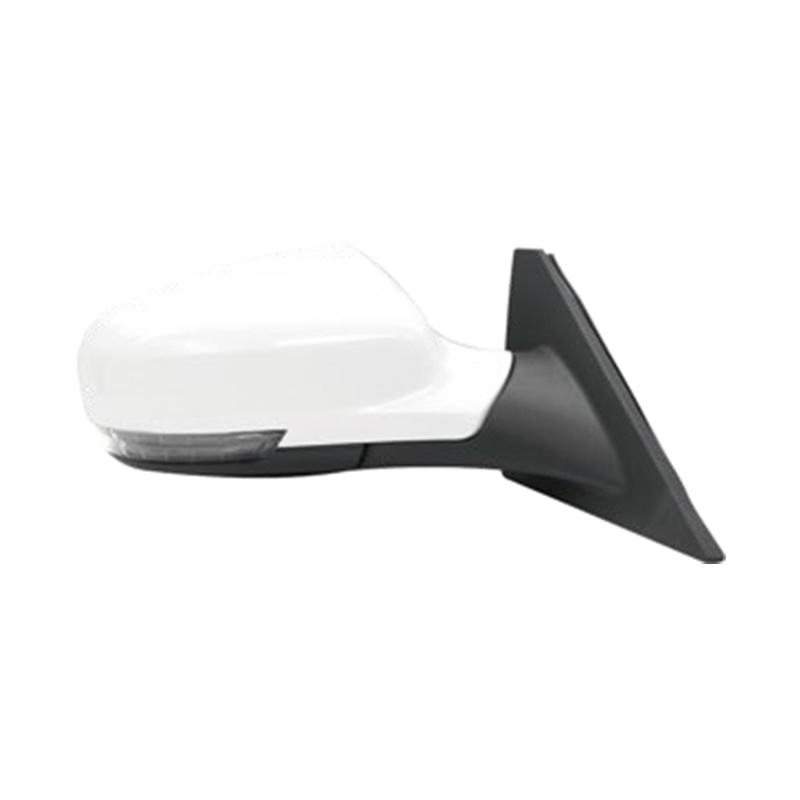
How to Mount a Rear View Mirror Using a Screw-On Bracket
Screw-on mounts are used on trucks, older vehicles, and many aftermarket wide-angle or dash-cam integrated mirrors. The process is more mechanical and does not require a curing period, but proper torque and thread-locking are critical to prevent the mirror from vibrating loose.
- Remove the existing mirror bracket. Most OEM brackets are secured with one or two small screws accessed from the front of the mounting plate, often behind a plastic trim cover. Use the correct bit (Torx T20 or T25 is common) to avoid stripping the fasteners.
- Position the new bracket on the headliner or windshield frame mount point. Align the screw holes precisely before inserting any fasteners.
- Apply a small amount of thread-locking compound (medium-strength, such as Loctite Blue) to each screw thread before insertion. This prevents loosening from road vibration without making future removal impossible.
- Tighten screws firmly but do not overtighten. Most mirror mount screws require only finger-tight plus a quarter turn with a driver—overtightening on plastic housings or thin metal brackets can strip threads or crack the mount.
- Attach the mirror head to the bracket and adjust to the correct viewing angle from the driver's seat.
- Give the mirror a firm tug to verify the bracket is secure before driving.
Adhesive Type Comparison: Which Rear View Mirror Glue to Use
Not all adhesives perform equally for this application. The windshield glass surface, high interior temperatures (car interiors can reach 70–80°C / 160–180°F in direct summer sun), and the constant vibration of driving make this a demanding bonding environment.
| Adhesive Type |
Cure Time |
Heat Resistance |
Best For |
Notes |
| Rear view mirror kit (two-part) |
1–24 hours |
Excellent (150°C+) |
All vehicle types |
Recommended; purpose-built for this application |
| Cyanoacrylate (super glue) |
Minutes |
Poor (fails at 80°C+) |
Temporary fix only |
Will fail in hot weather; not a long-term solution |
| Epoxy (general purpose) |
5–30 minutes |
Moderate |
Emergency use |
Not formulated for glass-to-metal; may fail under vibration |
| Silicone adhesive |
24 hours |
Good |
Lightweight mirrors only |
Too flexible for heavy OEM mirrors; better for small aftermarket units |
Comparison of adhesive types for rear view mirror mounting by cure time, heat resistance, and suitability
Common Mistakes That Cause Rear View Mirrors to Fall Off
A rear view mirror that falls off shortly after mounting is almost always the result of one of these preventable errors:
- Insufficient surface cleaning. Any fingerprint oil, wax residue, window tint coating, or old adhesive left on the glass will prevent proper bonding. Always use 90%+ isopropyl alcohol on a fresh cloth—never window cleaner, which leaves a film.
- Skipping the activator step. The activator primes both the glass and the metal button surface for chemical bonding. Applying adhesive directly without activator significantly reduces bond strength on glass.
- Using the wrong adhesive. Standard super glue or hardware store epoxy cannot withstand the thermal cycling and vibration of a vehicle interior. Only use purpose-formulated rear view mirror adhesive.
- Rushing the cure time. Attaching the mirror before the adhesive has fully cured puts shear stress on a still-forming bond. Wait at least one hour, ideally 24 hours, before loading the button with the mirror's weight.
- Mounting in cold temperatures. Most rear view mirror adhesives require a minimum ambient temperature of 16°C (60°F) to cure properly. Attempting this job in a cold garage in winter will result in a weak bond that fails quickly.
- Incorrect button orientation. The button has a specific up/down orientation—the flat tab must face downward to accept the mirror clip correctly. Installing it upside down or rotated means the mirror will not seat properly and may fall under its own weight.
Special Cases: Tinted Windshields and Auto-Dimming Mirrors
Mounting on Tinted or Coated Windshields
Many modern windshields have a factory-applied ceramic frit band (the dark-dotted border area at the top) or a solar control coating. Bonding a mirror button to these coated areas is unreliable—the adhesive bonds to the coating rather than the glass, and the coating can peel away from the glass under load. If your button position falls within the frit band, gently scrape the coating off the specific bonding spot using a razor blade before applying activator and adhesive.
For aftermarket window tint film on the interior surface, the button must be bonded directly to the glass, not the film. Carefully cut out and remove a small square of tint film at the exact bonding location before proceeding with the standard adhesive method.
Reinstalling Auto-Dimming or Smart Mirrors
Auto-dimming mirrors, compass mirrors, and integrated backup camera mirrors contain electronic components and wiring harnesses. Before removing these mirrors for any reason, disconnect the vehicle's battery negative terminal to prevent electrical shorts. When reinstalling, reconnect wiring before sliding the mirror onto the button, as accessing the connector is difficult once the mirror is mounted. Verify all functions (dimming, compass calibration, camera feed) after installation.
 English
 中文简体
中文简体
 русский
 Español