English
 中文简体
 русский
 Español
[Auto Accessories][email protected]
2026-11-12
You pull out of the driveway on a damp morning, the heater warms up, and within two minutes the windshield turns milky white. The wipers only smear it. Fog is condensation — water vapour from your breath and wet clothing settling on glass that is colder than the air around it — so the fix has two halves. Clear the glass with the climate controls first, then remove the water that keeps feeding it. Do both and foggy windows stop being a daily argument with your dashboard.
Content
Before you reach for a cloth or a sleeve, run this sequence. It works on a cold start, in steady rain, and on a car that has been parked outside all night.
Temperature is the part people get wrong. Full heat on cold, humid glass can briefly make the fog thicker, because warm air holds more moisture and releases it onto the first cold surface it meets. Start at a moderate setting, then raise it once the glass is clear.
Condensation appears when humid air touches glass that has dropped below the dew point. Three things control that: how much moisture is in the cabin air, how cold the glass is, and how much air moves across it. Change any one and the fog retreats. Manage all three and it stays away.
Every occupant adds moisture with each breath, and wet shoes, damp floor mats and rain-soaked jackets add a lot more. A cold windshield is unavoidable in winter, but airflow is fully under your control — and it is the variable most drivers ignore. This is also why cabin climate design matters more than it used to; HVAC systems in modern vehicles balance drying, heating and airflow in ways that older manual systems did not, and using those functions properly shortens defog time noticeably.
Where the moisture appears, and how quickly it comes back, tells you whether you are dealing with a setting mistake or a physical fault.
| Where the fog appears | What it usually means | Fastest response |
|---|---|---|
| Inside the windshield, clearing from the edges inward | Cold glass plus humid cabin air, often with recirculation left on | AC on, fresh air selected, fan at mid speed or higher |
| Inside the windshield, back within minutes of wiping | A water source in the cabin: soaked mats, damp seats, a leak | Find and dry the source, then ventilate with fresh air |
| Outside the windshield, wipers clear it | Humid outside air meeting glass chilled by the AC | Warm air to the glass with AC still on, plus wipers |
| Door glass and mirrors only | Little or no airflow reaches those panels | Rear and mirror defrosters, side vents aimed outward |
| Windshield stays hazy with the fan on high | Weak blower, blocked cabin filter, faulty blend door | Diagnose the airflow side of the HVAC system |
If the glass clears and fogs again within a few minutes, the defroster is working and losing a fight. Deal with the moisture reservoir inside the car.
Floor coverings matter more than most drivers expect, because they sit directly under the heater outlet and hold whatever the shoes bring in. Mats with predictable moisture behaviour across temperature swings make the cabin easier to keep dry — you can read more about how floor mats behave across seasonal changes — but the practical rule is simpler: dry mats, dry glass.
Replacements that fit a wide range of models are easy to source, and a dry, well-fitting mat set is one of the cheapest fog fixes available.
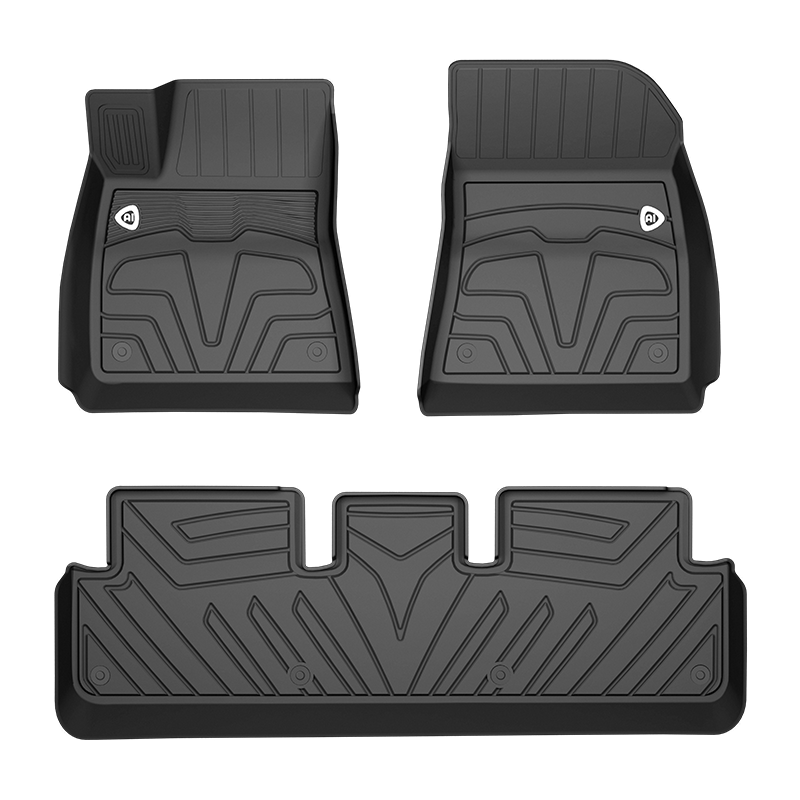 Custom TPE Car Floor MatsCustom-fit TPE floor mats modeled from vehicle data, with anti-slip backing and easy cleaning; a dry, well-fitting set supports basic footwell moisture control.View Product →
If the glass fogs even with correct settings, the problem is airflow or dehumidification hardware rather than your technique.
A weak blower cannot push enough air across the glass, no matter how you set the temperature. Warning signs: low flow on every speed setting, a squeal or chirp from behind the glovebox, or a fan that only works on the highest position because the resistor pack has failed. On a cold morning, a tired motor is often the real reason a windshield takes ten minutes to clear instead of one.
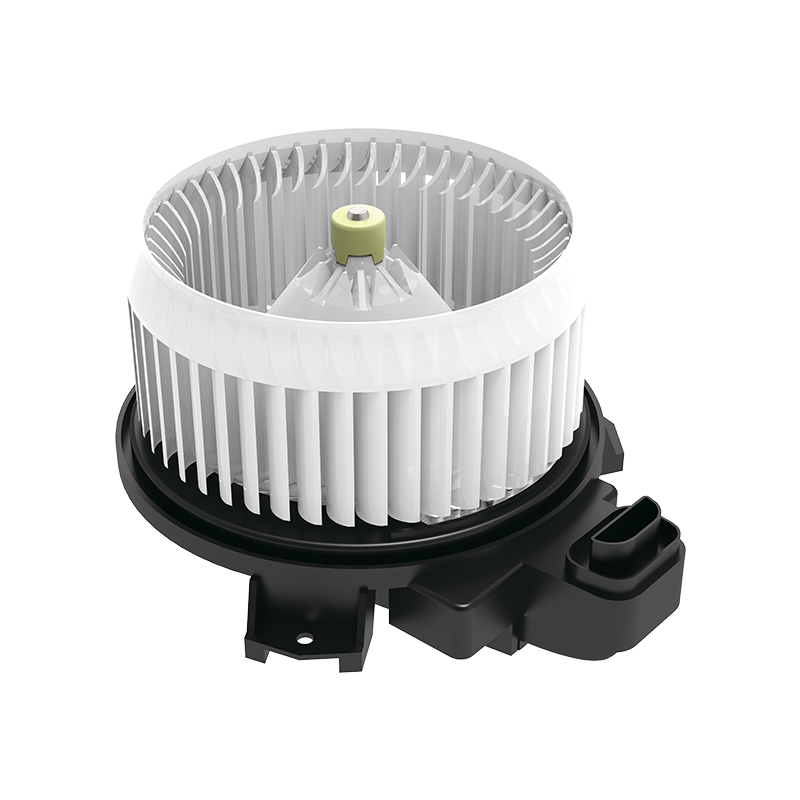 Custom HVAC Heater Blower MotorOEM-quality blower motor for cabin heating, cooling and ventilation airflow; variable-speed BLDC design suits Honda, Nissan, Toyota and other covered HVAC applications.View Product →
The AC only dehumidifies while the compressor runs and the condenser can reject heat. A condenser matted with road debris, leaves and insects loses that ability, and a low refrigerant charge makes the compressor short-cycle. The result is air that never gets properly dried, so the glass fogs as soon as you switch off recirculation. Keep the condenser face clean and have the charge checked if cooling feels weak in summer — the same fault shows up as fog in winter.
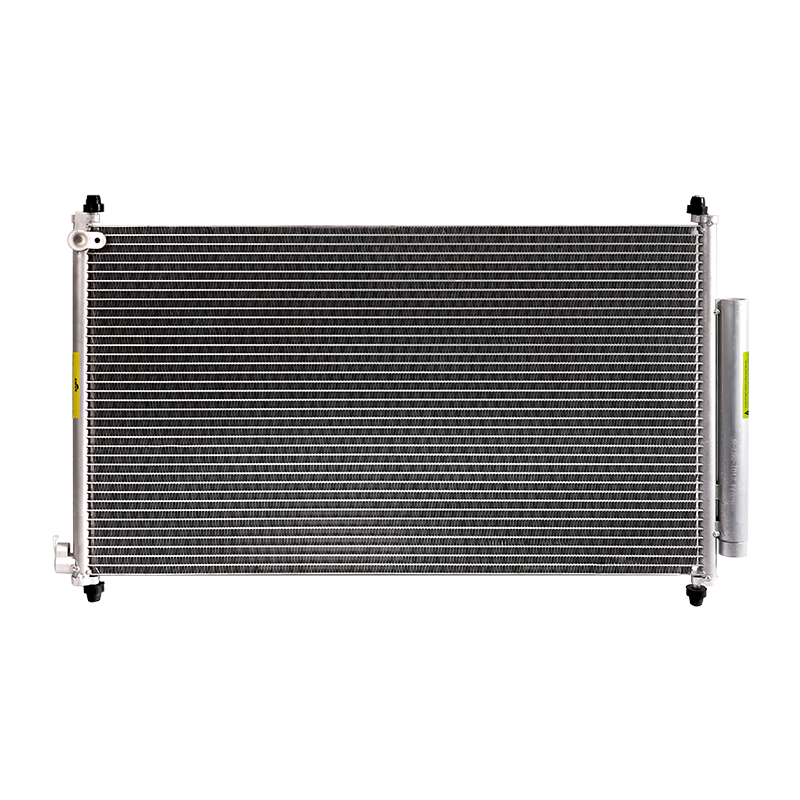 Custom HVAC Auto Condenser for Vehicle AC SystemsFront-mounted condenser that cools refrigerant vapor into liquid; efficient fins and corrosion-resistant aluminum construction suit Toyota, Honda, Nissan, Mazda and other listed brands.View Product →
If warm air never reaches the screen, or the temperature drifts on its own, a blend door actuator or a partially blocked heater core is likely. Those are diagnosis jobs, not parts guessing games, so confirm the fault before ordering anything.
One caution: anything applied to the windshield sits directly in the wiper path. Keep treatments on the inside face only, and buff them until no haze remains.
Fog on the inside of the glass is a humidity reading, not a glass defect. Run the defrost sequence with the AC on and fresh air selected, keep the fan above its lowest setting, and dry anything wet in the cabin. If the glass still fogs with the controls set correctly, the airflow or dehumidification side of the system needs attention — and that is a parts question rather than a driving-technique one. Solve the moisture once and the next damp morning becomes a non-event.


[Auto Accessories][email protected]
[Auto Parts][email protected]

+86-0571-26238568

Kangxin Road, Tangqi Town, Linping District, Hangzhou , Zhejiang , China