English
 中文简体
中文简体
 русский
 Español
[Auto Accessories][email protected]
2026-07-20
Content
"Rear view mirror" gets used loosely, and that causes real confusion when it's time to buy a replacement. Technically, it refers to the mirror mounted inside the cabin on the windshield — the one you glance at to check traffic behind you. The mirrors mounted on the doors, angled to cover your blind spots, are side mirrors or door mirrors, even though plenty of drivers call them "rear view mirrors" too.
The distinction matters because the parts, mounting hardware, and failure points are completely different. An interior mirror twists off a windshield-mounted button and rarely involves wiring unless it's auto-dimming. A side mirror bolts to the door, often carries a motor for adjustment, and may include heating elements, turn signal indicators, or blind spot sensors depending on trim level. If you're dealing with a cracked or loose exterior mirror on a Honda, you're in the right place — that's what this guide focuses on.
Physical damage is the most obvious trigger — a cracked housing or shattered glass panel from a curb strike, a parking lot clip, or a fold-in mirror that got knocked past its normal range. These are usually easy to diagnose on sight.
Electrical symptoms take more attention. A mirror that no longer adjusts, or moves in only one direction, often points to a failing motor or a bad connection at the door harness. Heated mirrors that stop clearing frost, or turn signal indicators built into the mirror housing that stop flashing, are also common failure points as the wiring ages or the housing takes on moisture over time.
Side mirrors aren't just a convenience feature — they're part of a federal safety standard. Under NHTSA's Federal Motor Vehicle Safety Standard No. 111 on rear visibility, passenger vehicles must meet specific field-of-view and mirror configuration requirements, and outside mirrors play a defined role in satisfying that standard depending on whether the interior mirror alone provides adequate coverage.
That's part of why side mirrors play such a direct role in driving safety — and also why improperly installed or misadjusted mirrors create real safety hazards rather than just an inconvenience. A cracked mirror or one that won't hold its position isn't something to put off fixing.
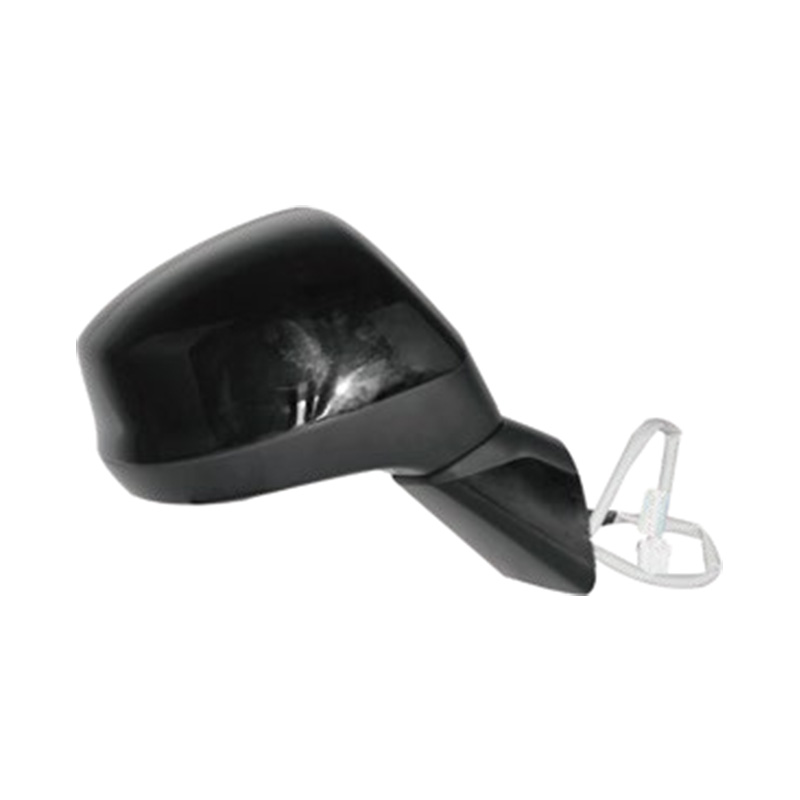
Honda side mirrors vary more than most drivers expect across model years and trims, so a few details need confirming before you order.
Getting any one of these wrong usually means a mirror that either doesn't bolt up correctly or is missing a feature your car already had — heated glass or turn signal wiring can't simply be added to a mirror that wasn't built for it.
A brand-new mirror still leaves blind spots if it's not angled correctly. Most drivers set their side mirrors too close to the view already covered by the interior mirror, which wastes their coverage instead of extending it outward.
Setting up your side mirrors correctly for optimal visibility takes a couple of minutes and meaningfully reduces the blind spot you have to check over your shoulder for — worth doing every time you install a replacement, not just once.
Once you've confirmed side, features, and model year, sourcing the correct part is the last step. Browsing Honda side mirrors by model narrows things down quickly if you know your vehicle's details.
If you're working on a different make alongside your Honda, or want to compare configurations across brands before deciding, the full range of auto side mirrors covers the same range of heated, power-adjustable, and signal-integrated options across other manufacturers.


[Auto Accessories][email protected]
[Auto Parts][email protected]

+86-0571-26238568

Kangxin Road, Tangqi Town, Linping District, Hangzhou , Zhejiang , China