English
 中文简体
中文简体
 русский
 Español
[Auto Accessories][email protected]
2026-07-07
Content
The rear view mirror is the primary tool for maintaining situational awareness of traffic directly behind your vehicle. For maximum safety, it should be adjusted to frame the entire rear windshield, providing a clear, undistorted view of the lane behind you. When combined with properly set side mirrors, this central reference point reduces blind spots by up to 90%, allowing for safer lane changes and reversing maneuvers.
Modern advancements have transformed the simple reflective glass into a sophisticated safety hub. Features like auto-dimming technology, integrated compasses, and emergency communication systems now make the rear view mirror a critical component of active vehicle safety. Understanding how to leverage these features ensures you remain protected from both environmental hazards and potential collisions.
Many drivers incorrectly adjust their mirrors, creating dangerous overlap or significant blind zones. The Society of Automotive Engineers (SAE) recommends specific geometric alignments to ensure seamless visibility across all three mirrors.
Large headrests, rear passenger cargo, or tinted windows can obstruct the view. If visibility is compromised, consider installing a wide-angle clip-on mirror or upgrading to a digital rear-view camera system. These alternatives provide a broader field of view, often exceeding 180 degrees, ensuring that tall passengers or stacked luggage do not create dangerous blind spots.
The evolution of the rear view mirror has introduced several technologies designed to reduce driver fatigue and improve reaction times. Choosing the right type of mirror can significantly impact your comfort during night driving and long-distance travel.
| Feature | Functionality | Benefit | Ideal Use Case |
|---|---|---|---|
| Manual Day/Night | Flip tab changes angle | Reduces glare simply | Budget vehicles, older models |
| Auto-Dimming | Sensors detect bright light | Instant glare reduction | Night driving, heavy traffic |
| Digital Display | Live camera feed | No obstructions, wide view | SUVs with poor rear visibility |
Auto-dimming mirrors use electrochromic gel to darken automatically when sensors detect high-beam headlights from behind. This reaction occurs in under 0.5 seconds, preventing temporary blindness and reducing eye strain. Digital mirrors, meanwhile, bypass physical obstructions entirely by using a high-dynamic-range camera mounted on the rear of the vehicle.
A well-maintained rear view mirror is essential for clear visibility. Over time, vibrations, temperature changes, and physical impacts can degrade performance. Regular checks ensure that your primary safety reference remains reliable.
By integrating proper adjustment habits with regular maintenance, you ensure that your rear view mirror remains a dependable asset. Whether you drive a classic car with manual glass or a modern vehicle with digital feeds, the principle remains the same: clear visibility is the foundation of defensive driving.
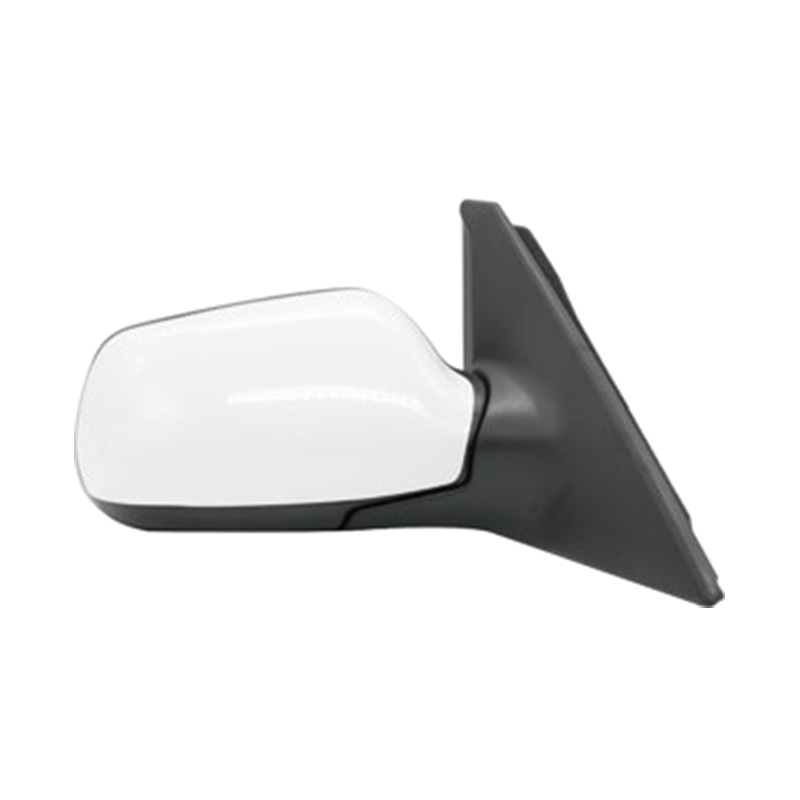


[Auto Accessories][email protected]
[Auto Parts][email protected]

+86-0571-26238568

Kangxin Road, Tangqi Town, Linping District, Hangzhou , Zhejiang , China