English
 中文简体
中文简体
 русский
 Español
[Auto Accessories][email protected]
2025-12-19
Content
HVAC auto radiators are a critical component in automotive heating, ventilation, and air conditioning systems. They are responsible for regulating the temperature of the engine coolant and ensuring that the vehicle maintains optimal operating conditions. By transferring heat from the engine coolant to the air, HVAC auto radiators prevent engine overheating and contribute to overall vehicle performance.
Modern HVAC systems are designed to integrate seamlessly with the radiator, allowing precise control over cabin temperature and engine efficiency. A properly functioning radiator ensures both engine longevity and passenger comfort, making it a key element in automotive maintenance.
Auto radiators come in various types, each designed for specific vehicle requirements. Understanding these types helps in selecting the right radiator for optimal performance.
Copper and brass radiators are traditional types known for their excellent thermal conductivity. These radiators are durable and easy to repair, making them suitable for older vehicles. They are often preferred in heavy-duty applications where reliability is essential.
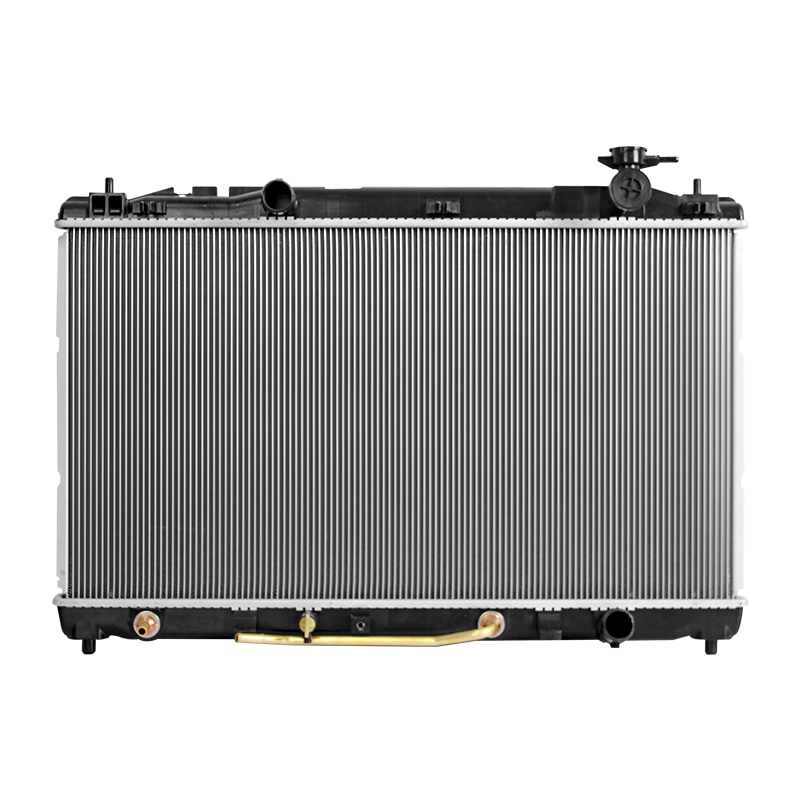
Aluminum radiators are lightweight and provide superior heat dissipation. They are commonly used in modern vehicles to improve fuel efficiency. Aluminum construction allows for compact designs without compromising cooling performance. These radiators are often paired with plastic tanks to reduce weight further.
Plastic tank radiators combine aluminum cores with plastic tanks. They are cost-effective and lightweight but may be less durable than full-metal radiators. They are popular in passenger vehicles due to their balance of performance and affordability.
Understanding the components of an HVAC auto radiator is crucial for maintenance and troubleshooting. Each part plays a specific role in the cooling process.
The radiator core consists of tubes and fins that facilitate heat exchange. Coolant flows through the tubes while air passes over the fins, allowing heat to dissipate efficiently.
Inlet and outlet tanks direct coolant into and out of the radiator core. Proper sealing is essential to prevent leaks and maintain system pressure.
Cooling fans assist airflow through the radiator, especially when the vehicle is stationary or moving slowly. They ensure consistent cooling under varying operating conditions.
Regular maintenance of HVAC auto radiators ensures longevity and prevents costly repairs. Here are practical tips for keeping radiators in optimal condition.
HVAC auto radiators can experience several issues over time. Early detection and troubleshooting can prevent severe engine damage.
Leaks often occur at joints, tanks, or hoses due to corrosion or wear. Corrosion can block coolant flow, reducing efficiency and causing overheating. Regular inspection and timely replacement of damaged parts are crucial.
Sediment buildup in radiator cores reduces heat transfer efficiency. Flushing the system at recommended intervals removes debris and maintains optimal cooling performance.
Malfunctioning fans or thermostats can disrupt coolant flow and airflow, leading to temperature spikes. Regular testing and replacement of these components ensure smooth operation.
Proper installation of HVAC auto radiators is critical for performance and safety. Following manufacturer guidelines minimizes potential problems and ensures efficient cooling.
Performance enthusiasts often upgrade HVAC auto radiators to improve cooling capacity and engine efficiency. Consider the following options:
| Upgrade Type | Benefits |
|---|---|
| High-Performance Aluminum Core | Improved heat dissipation and reduced weight |
| Electric Cooling Fans | Enhanced airflow at low speeds and idle |
| Larger Radiator Tanks | Increased coolant capacity for heavy-duty usage |
HVAC auto radiators play a vital role in automotive performance and comfort. Choosing the right type, performing regular maintenance, and addressing issues promptly can significantly extend the life of both the radiator and the engine. Whether for standard use or performance upgrades, understanding radiator function and care ensures optimal vehicle efficiency and reliability.


[Auto Accessories][email protected]
[Auto Parts][email protected]

+86-0571-26238568

Kangxin Road, Tangqi Town, Linping District, Hangzhou , Zhejiang , China